- HomeHome
- InspirationInspiration
- Rooms To Go BlogRooms To Go Blog
- How Long Should a Sofa Last?
How to Find a Durable, High-Quality Sofa at any Price Point
A good sofa should last for years, but exactly how long depends on several factors. Generally, you can expect a well-made sofa to last between 5 and 15 years. Its construction, materials, frequency of use, and everyday care can all extend or shorten that lifespan. While no sofa is guaranteed to stand the test of time, proper maintenance can help preserve its comfort, appearance, and overall condition for longer.
Understanding what affects a sofa’s lifespan, and recognizing the signs that it may be time for a replacement, can help you get more value and comfort from one of the most-used pieces of furniture in your home.
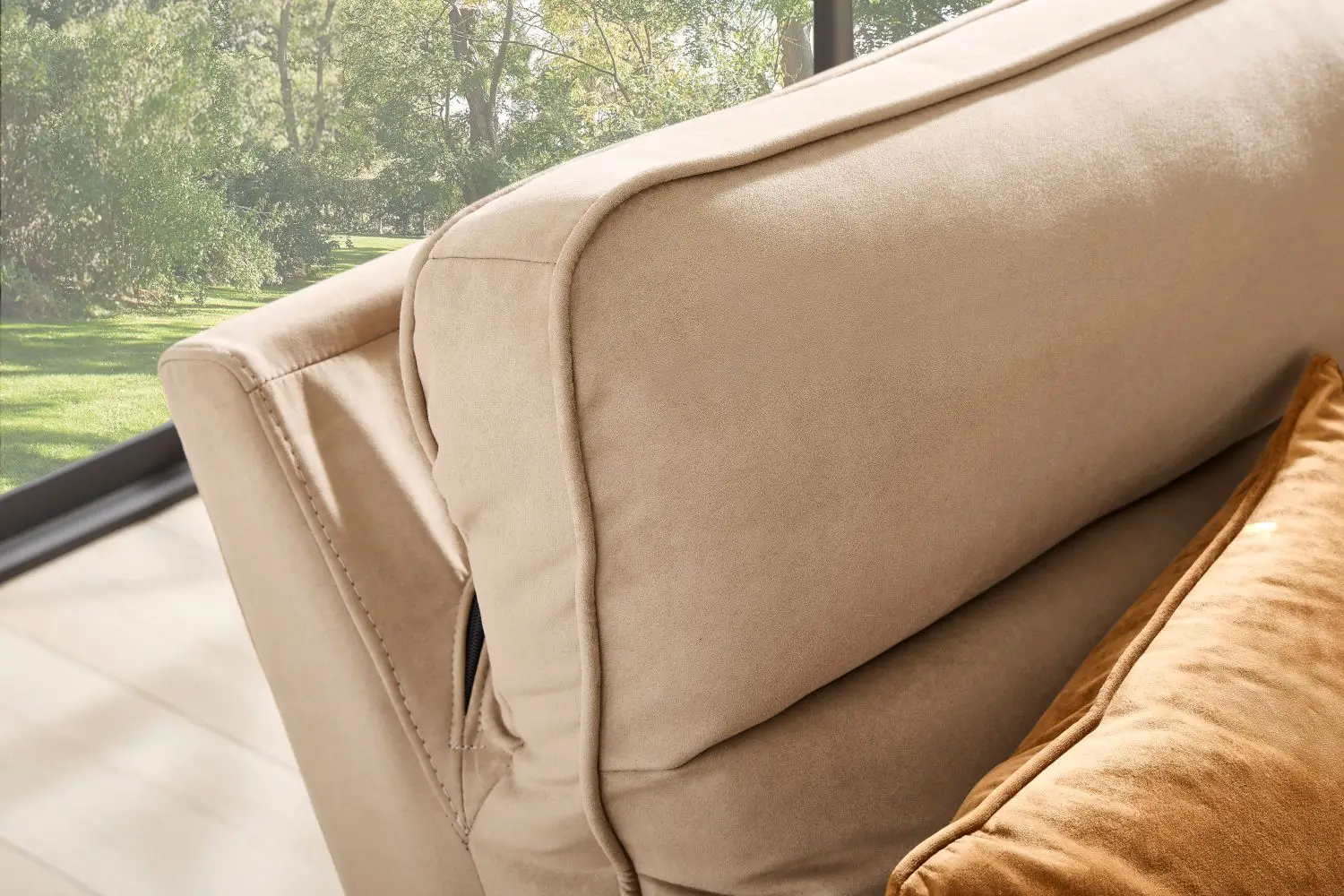
The lifespan of any sofa comes down to three core factors: the frame, the cushions and support system, and the upholstery. Start with the foundation. A well-constructed wood frame can provide the stability and support needed for years of regular use. Rather than assuming one specific wood species or construction method determines quality, look at the overall build of the sofa and choose a piece designed to handle the demands of your household.
Cushion and seating construction matter just as much. Supportive foam cushioning paired with a durable suspension system, such as sinuous wire seating, can provide a comfortable seat while holding up to everyday use. Some sofas also feature reversible or removable cushions, which can be rotated periodically to distribute wear and help them maintain their shape and appearance over time. Rooms To Go carries sofas using these types of construction features across a range of styles and price points.

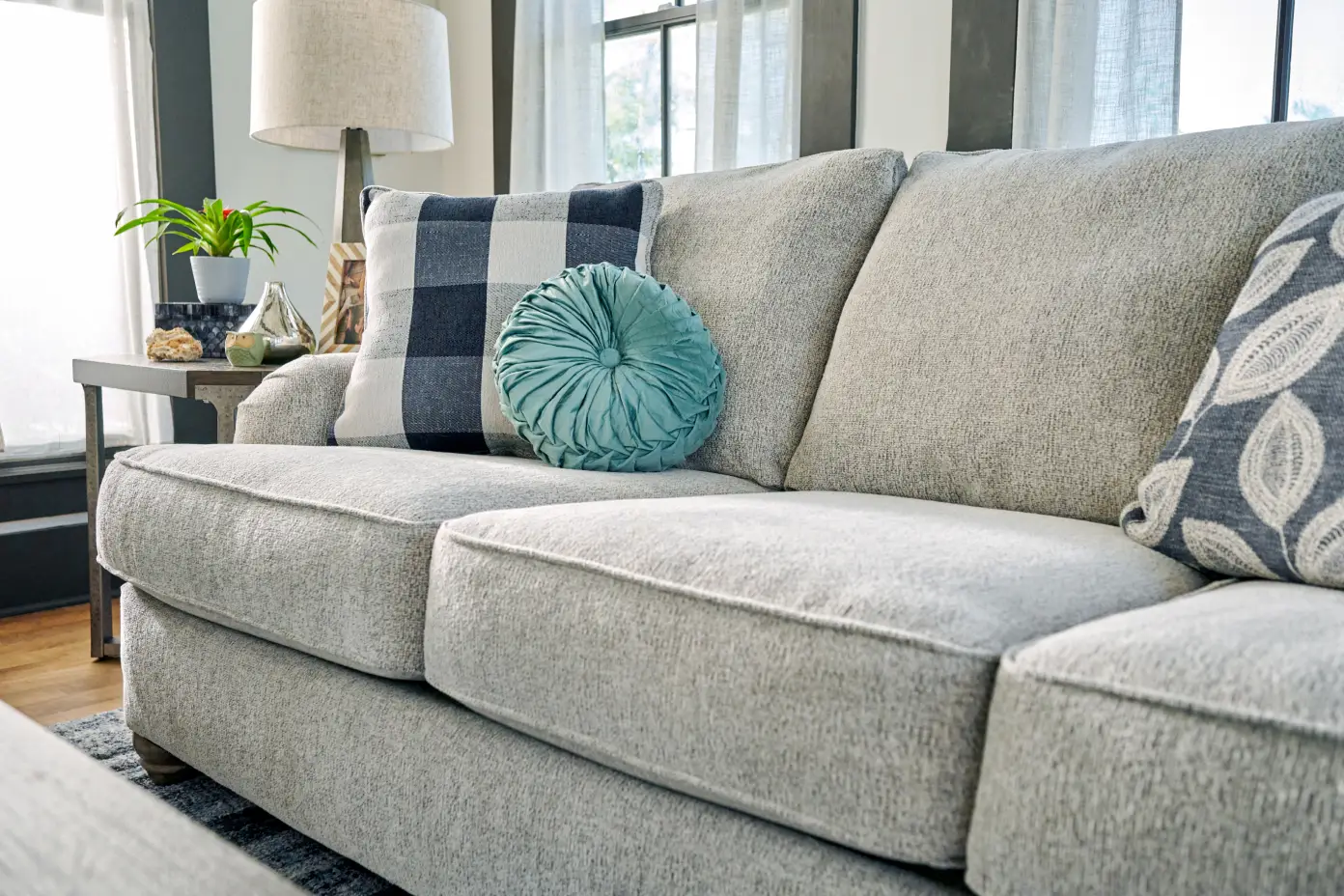
Finally, consider how the upholstery fits your lifestyle. Materials such as polyester chenille and microfiber can offer a combination of softness, durability, and practical everyday care, while leather provides a different look and feel with its own maintenance needs. For homes with kids, pets, or a sofa that gets daily use, pay particular attention to cleaning instructions, fabric care, and features that make routine maintenance easier.
Even a well-made sofa will eventually show signs of everyday use. Knowing when a problem can be addressed and when it may be time for a new sofa can help you maintain a comfortable, supportive living space. Some signs to pay attention to include:
These signs do not necessarily mean the entire sofa needs to be replaced. Depending on the issue, service, replacement parts, cushion components, or professional repair may help extend its useful life. If your sofa is still covered by a manufacturer warranty or furniture protection plan, check the terms of your coverage before attempting repairs or intensive cleaning.
If several major components are showing significant wear and repair is no longer practical, replacing the sofa may make more sense than continuing to invest in an aging piece.
Getting the most out of your investment requires consistent but simple sofa cleaning and maintenance. These habits can add years to your furniture's lifespan.
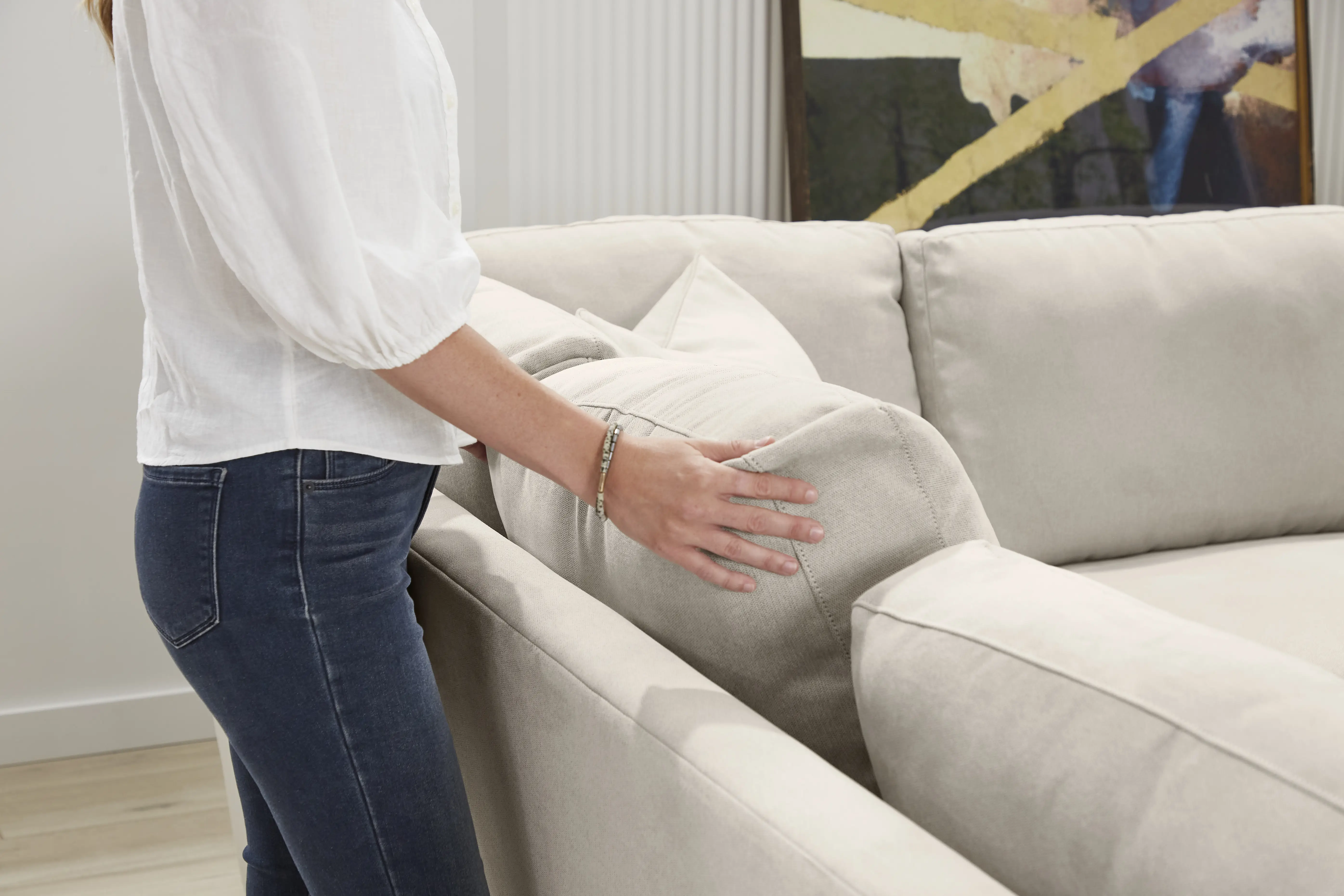
If your sofa has removable cushions, rotate them every one to two months. This distributes wear evenly and prevents one seat from developing a permanent impression. Some cushions are also flippable, which doubles the usable surface area.
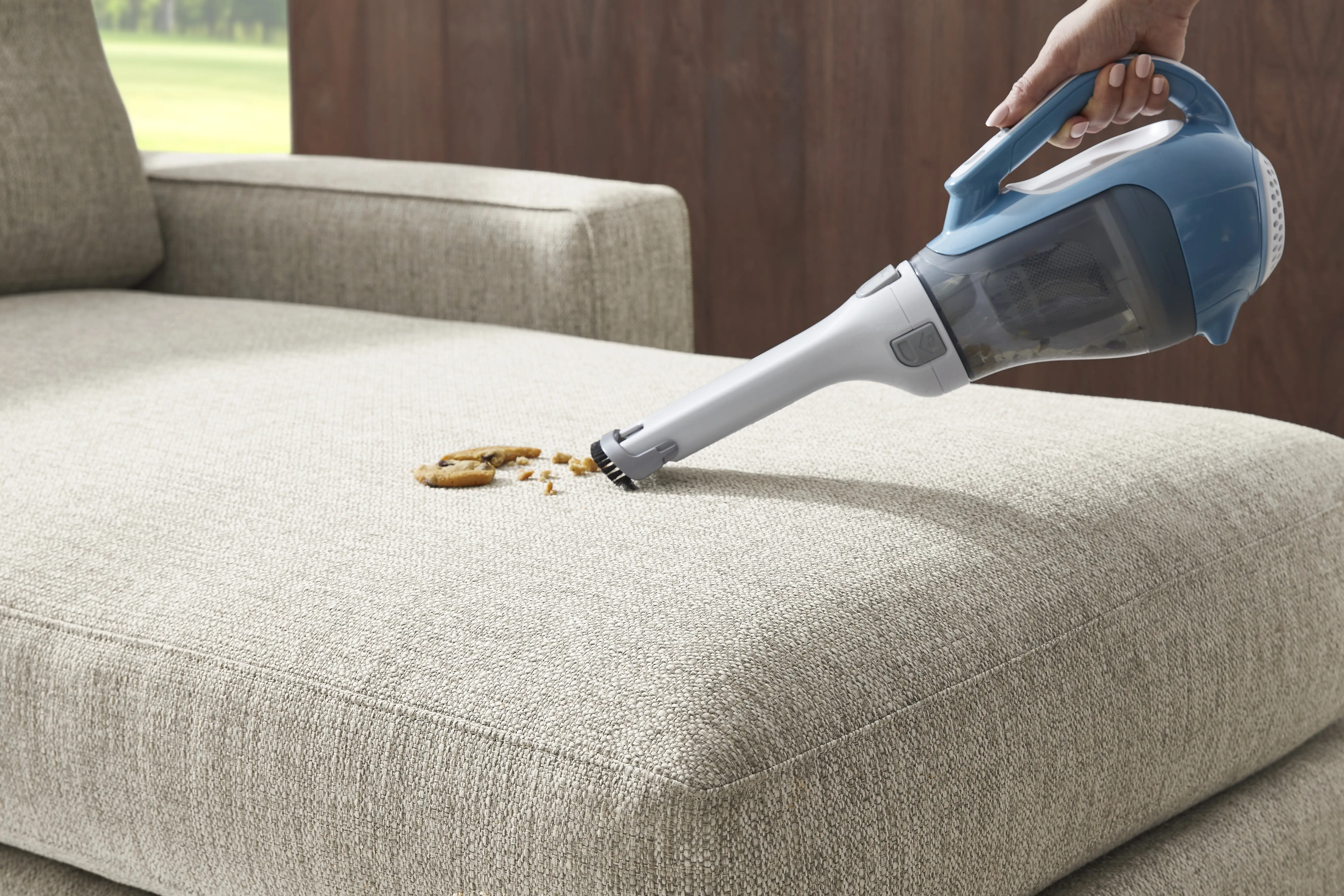
Different materials require different care. Performance fabrics can often handle spot cleaning with mild soap and water, while leather benefits from periodic conditioning to prevent cracking. Vacuuming upholstered furniture weekly helps remove dust and allergens that can break down fibers over time.
Prolonged sun exposure fades fabric and dries out leather. Position your couch away from windows when possible, or use curtains and blinds during peak sunlight hours. This simple step can prevent premature aging of your upholstery.
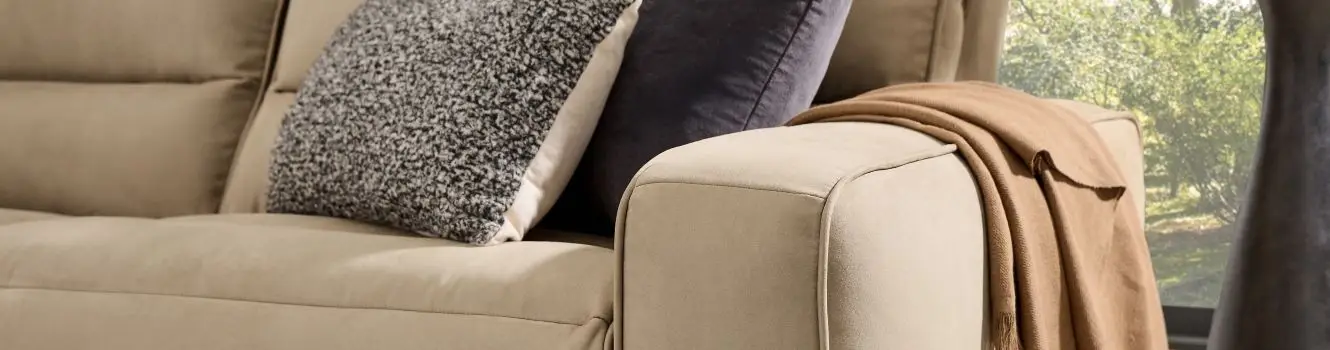
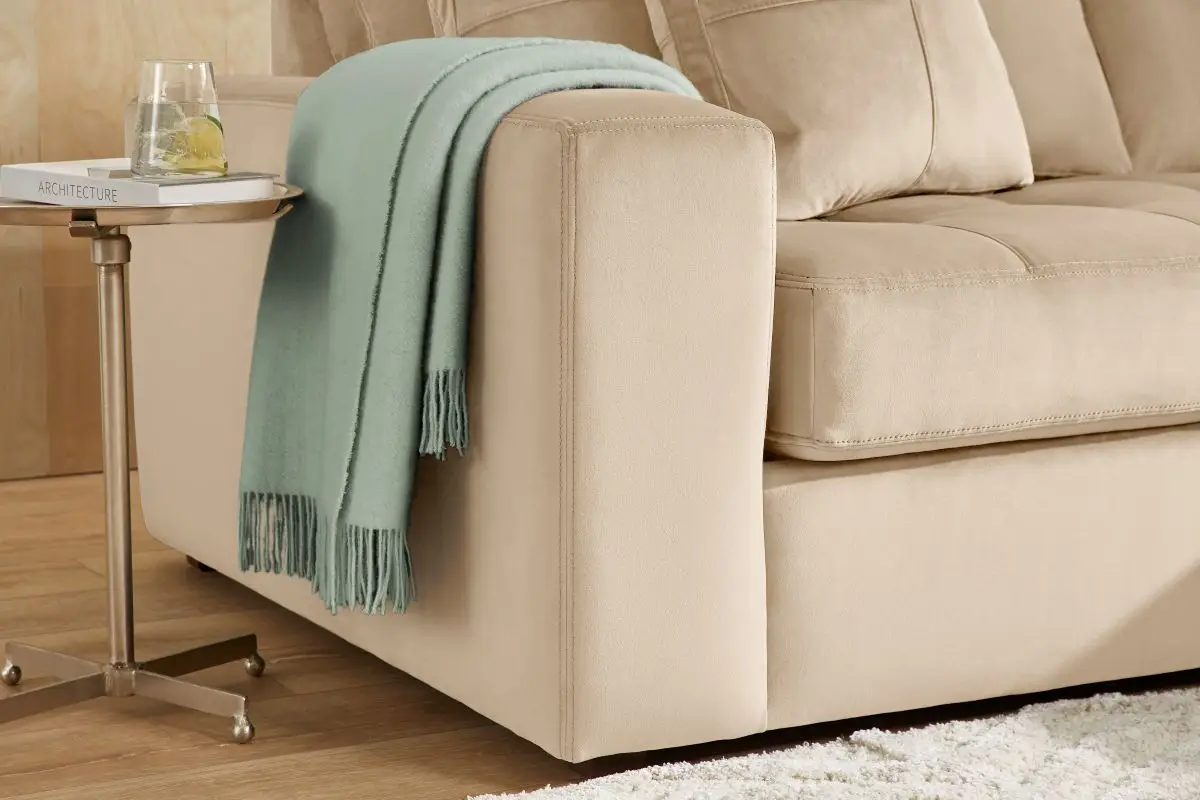
Blankets and throw pillows can help protect the areas of your sofa that see the most everyday contact. Drape a blanket over a favorite seat, armrest, or back cushion to create an extra layer between the upholstery and daily wear, while pillows can help protect frequently used back and corner areas. As a bonus, both are easy to swap out when you want to refresh the look of your sofa.
The bottom line: a higher price does not automatically mean a sofa will last longer. What matters more is the value you receive for what you spend. A well-made, affordable sofa can provide years of comfort and everyday use, while a more expensive option may cost more because of premium upholstery, advanced features, specialized construction, or design details rather than longevity alone.
When comparing sofas, look beyond the price tag and consider what you are getting for your budget. Construction, supportive cushioning, durable upholstery, comfort, functionality, and features all contribute to overall value. The goal is to find a sofa that delivers the quality and performance your household needs at a price that makes sense, rather than assuming spending more is always the best path to a longer-lasting piece.