From Crib to Toddler Bed: How to Make the Transition Smooth and Safe
Ease the move from crib to toddler bed with simple tips for a safe, comfortable, and confident transition.
At Rooms To Go, we understand how meaningful the shift from crib to toddler bed can be. It's one of those parenting moments that blends practical change with emotional growth. Suddenly, your baby is climbing, stretching, exploring, -and craving more independence.
This transition is a clear sign your little one is growing up, and it often brings a mix of pride, anxiety, and a few logistical questions. Is it too soon? What do I need? How do I even start? That's where this guide comes in. Below, you'll find everything you need to know-from recognizing when it's time, to making the switch safely and confidently.
When Is the Right Time to Transition?
There's no universal moment when every toddler is ready to move out of the crib but there are some common signs that indicate your child might be. For many parents, the first signal is when their toddler starts climbing over the crib rails, which can quickly become a safety issue. But that's not the only cue to watch for.
Your child may be ready for a toddler bed if they:Â
-
Regularly climb out of the crib or attempt toÂ
-
Follow a consistent sleep routine without frequent wake-upsÂ
-
Are showing signs of potty-training progress and need easier nighttime accessÂ
-
Have simply outgrown the size or structure of the crib
Most children make the switch somewhere between 18 months and 3 years, though it's important to remember that readiness looks different for everyone. If your child is sleeping well and still fits comfortably in their crib, there's no need to rush. The key is balancing developmental cues with safety and comfort.
What You’ll Need Before You Begin
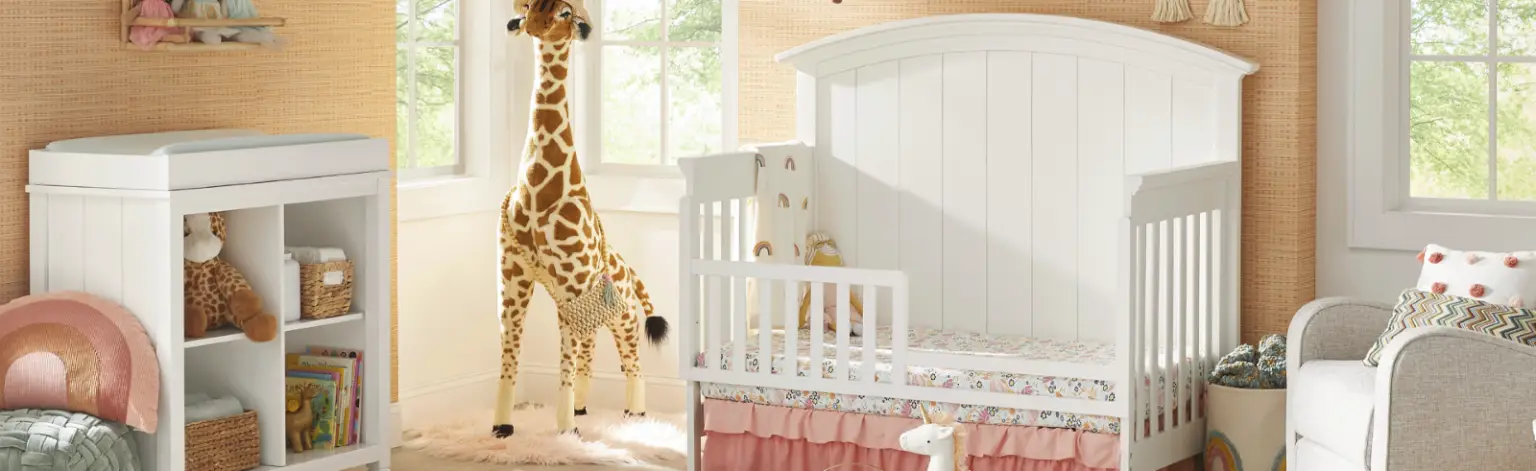
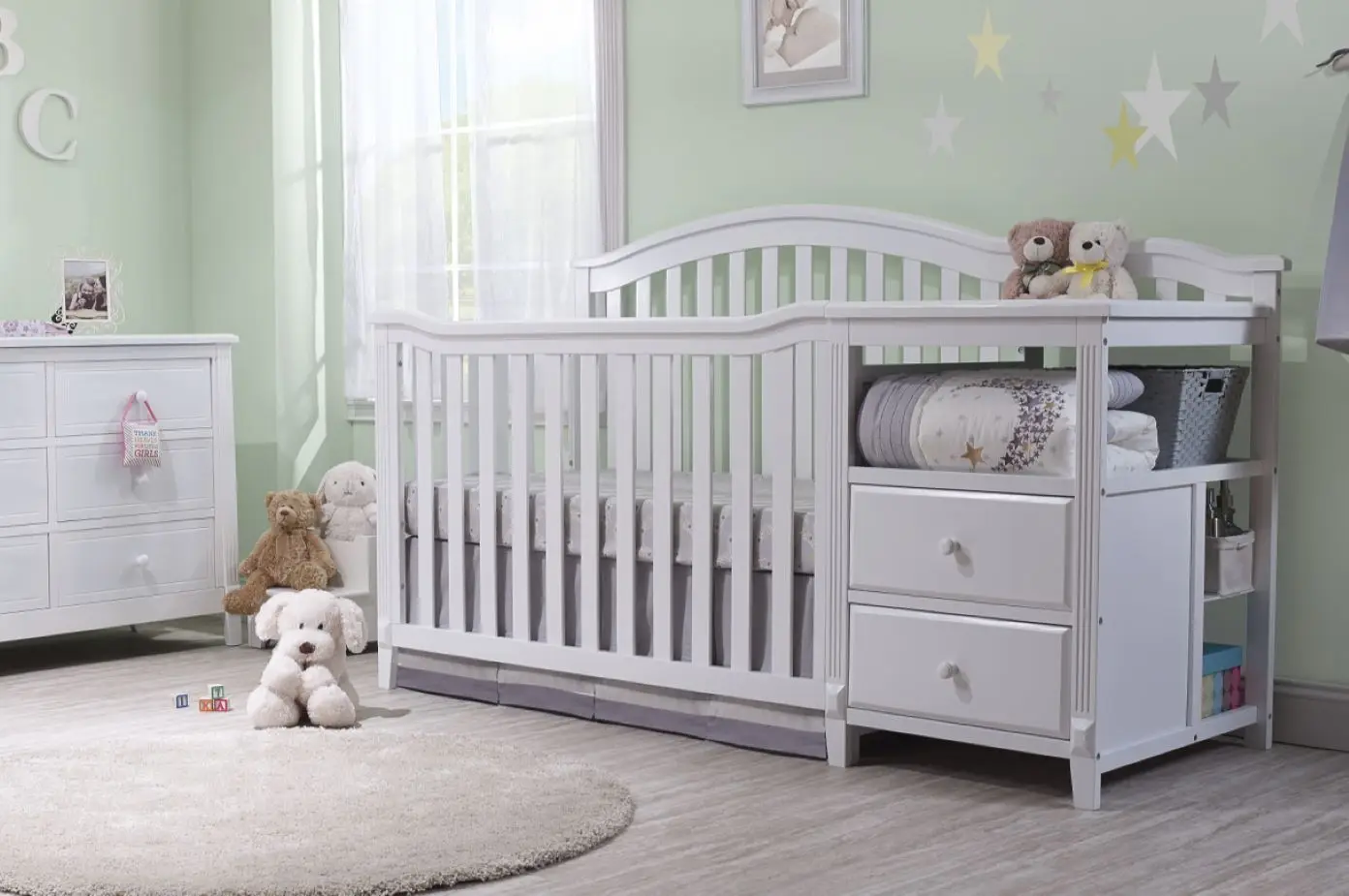
A smooth transition starts with the right tools. If your crib is convertible, it may already include or support a toddler bed configuration. If not, you'll want to gather a few essentials:Â
-
A conversion kit or toddler rail (compatible with your crib)Â
-
Screwdriver and hardwareÂ
-
A crib mattress that fits snugly without gapsÂ
-
Breathable kids bedding such as fitted sheets and lightweight blanketsÂ
-
Enjoy added peace of mind with guardrails in place
Take a moment to review your crib's manual or visit the manufacturer's website to confirm which components are needed. Having everything ready will make the actual conversion day much smoother.
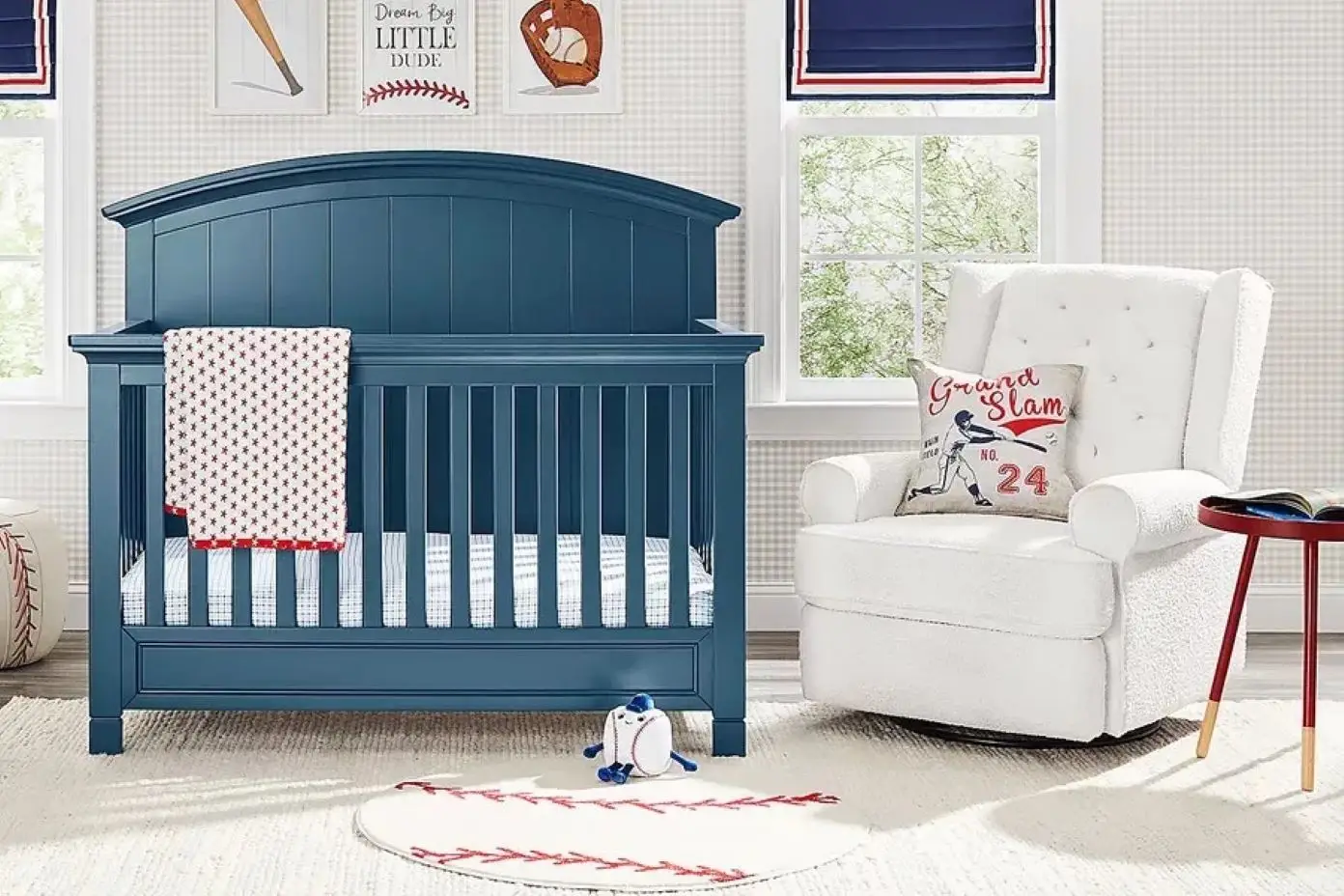
How to Convert a Crib into a Toddler Bed
Once you have your supplies, set aside time to handle the transition without distractions. Follow this step-by-step process to make sure your child's new sleep setup is both safe and secure.Â
Start by reviewing the manufacturer's instructions. Even if the process seems straightforward, specific guidelines ensure proper assembly and support.
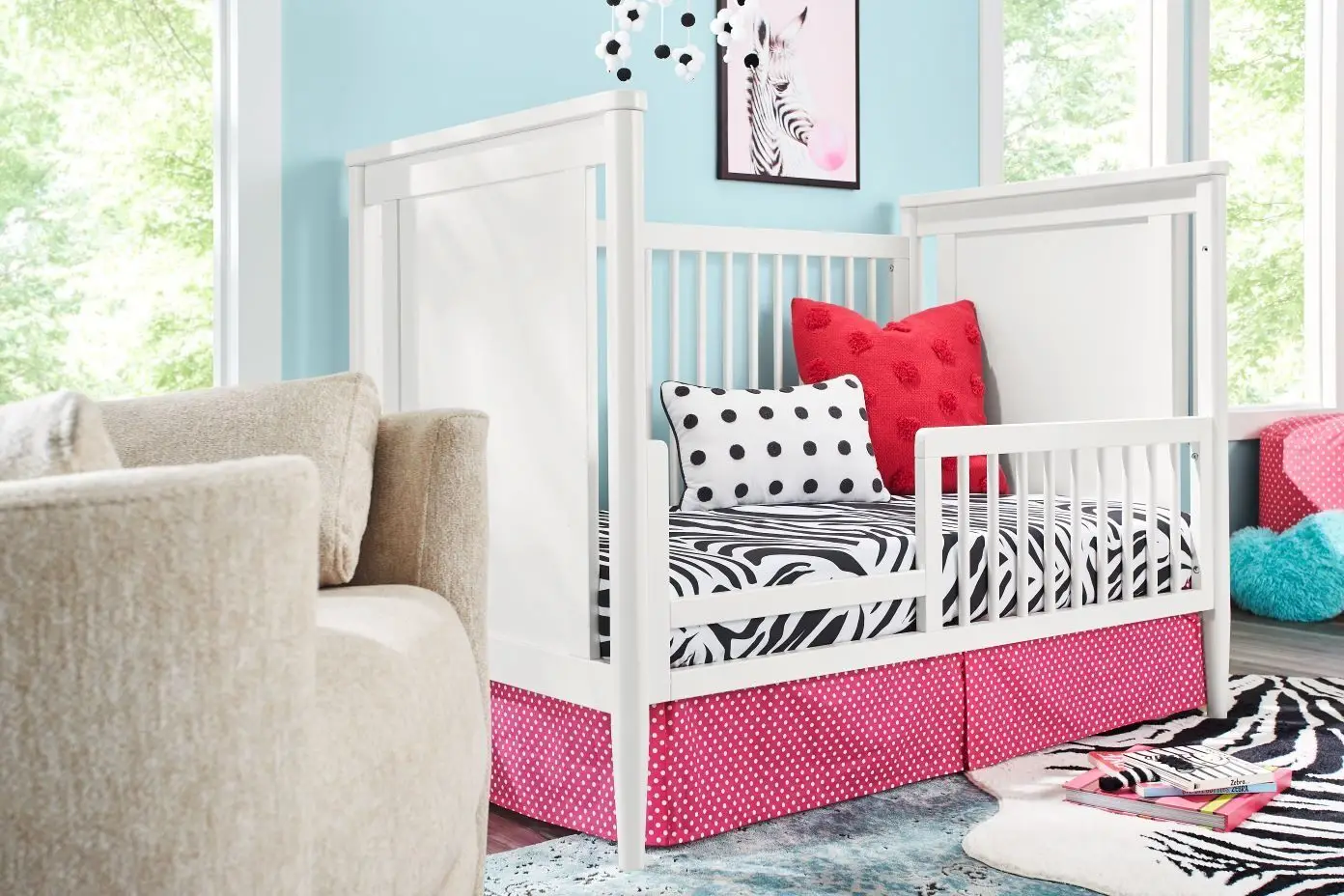
Next, carefully remove one side of the crib-usually the front rail. Use the appropriate hardware and a screwdriver to detach it while keeping the rest of the structure stable.
Then, install the toddler rail or guardrail from your conversion kit. This rail acts as a partial barrier to prevent rolling out, while still giving your child the freedom to get in and out independently.Â
Be sure to lower the mattress to its lowest setting to minimize the risk of injury from falls, especially in the early weeks of adjustment.
Finally, tighten all screws, inspect every joint, and give the bed a gentle shake to make sure it's stable. Once the frame is secure, add breathable bedding, a favorite stuffed animal, and anything else that helps your toddler feel cozy and at ease in their new space.
Creating a Safe Sleep Environment
With a toddler bed, your child has more freedom-and that makes room safety even more important. Even small changes can go a long way in helping them stay safe and secure throughout the night.Â
Make sure to:Â
-
Position the bed away from windows, cords, or furniture that can be climbedÂ
-
Clear the floor of any tripping hazards near the bed and tuck away toys and books using kids storage and organizing solutionsÂ
-
Place a soft rug or cushion beside the bed for added protection in case of tumblesÂ
-
Keep the room cool and comfortable, using breathable materials to prevent overheatingÂ
The transition itself may feel big, but a calm and consistent bedtime routine will help your child feel anchored and reassured as they adjust.
Helping Your Toddler Embrace the Change
Children often mirror the emotions we bring to a situation-so presenting the move to a toddler bed as something exciting and positive can make a big difference. Framing it as a "big kid" room gives your child a sense of pride and ownership.Â
A few ways to encourage a smoother transition:Â
-
Let your toddler choose their own bedding or a new nightlightÂ
-
Talk about the change in advance so they know what to expectÂ
-
Celebrate the first few nights in the new bed with a favorite bedtime book or songÂ
-
Offer gentle reassurance if they wake during the night or feel uncertainÂ
-
Stay consistent, even if there are a few setbacks-routine is keyÂ
This is a process, and like any change, it may take some time. Patience, praise, and a bit of flexibility will go a long way.
What to Know Before You Switch
It's common to wonder whether 18 months is too early to switch to a toddler bed, but the answer really depends on your child. If they're climbing out of the crib or showing other signs of readiness, safety may make an earlier transition necessary-even if they're still on the younger side of the typical age range.
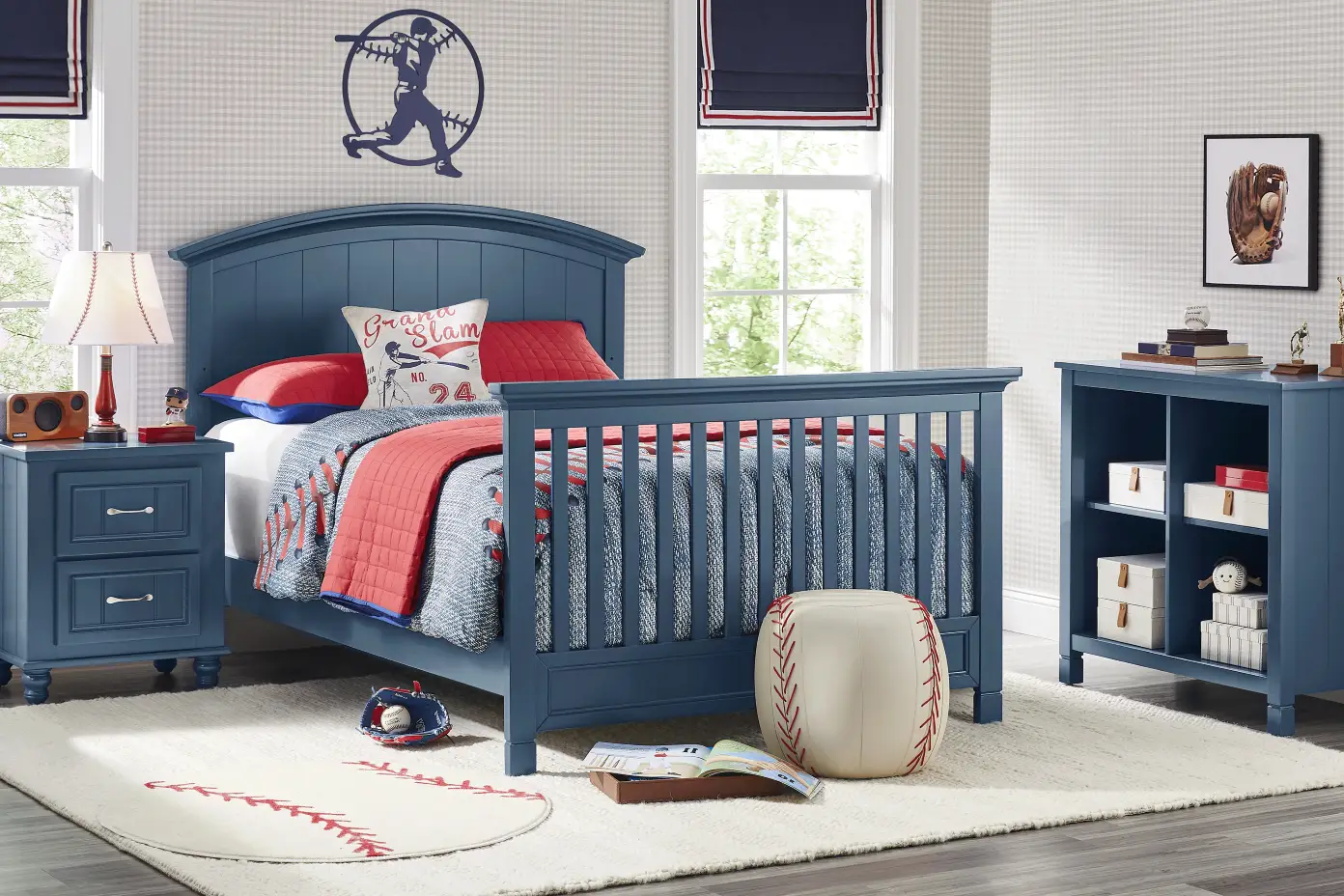
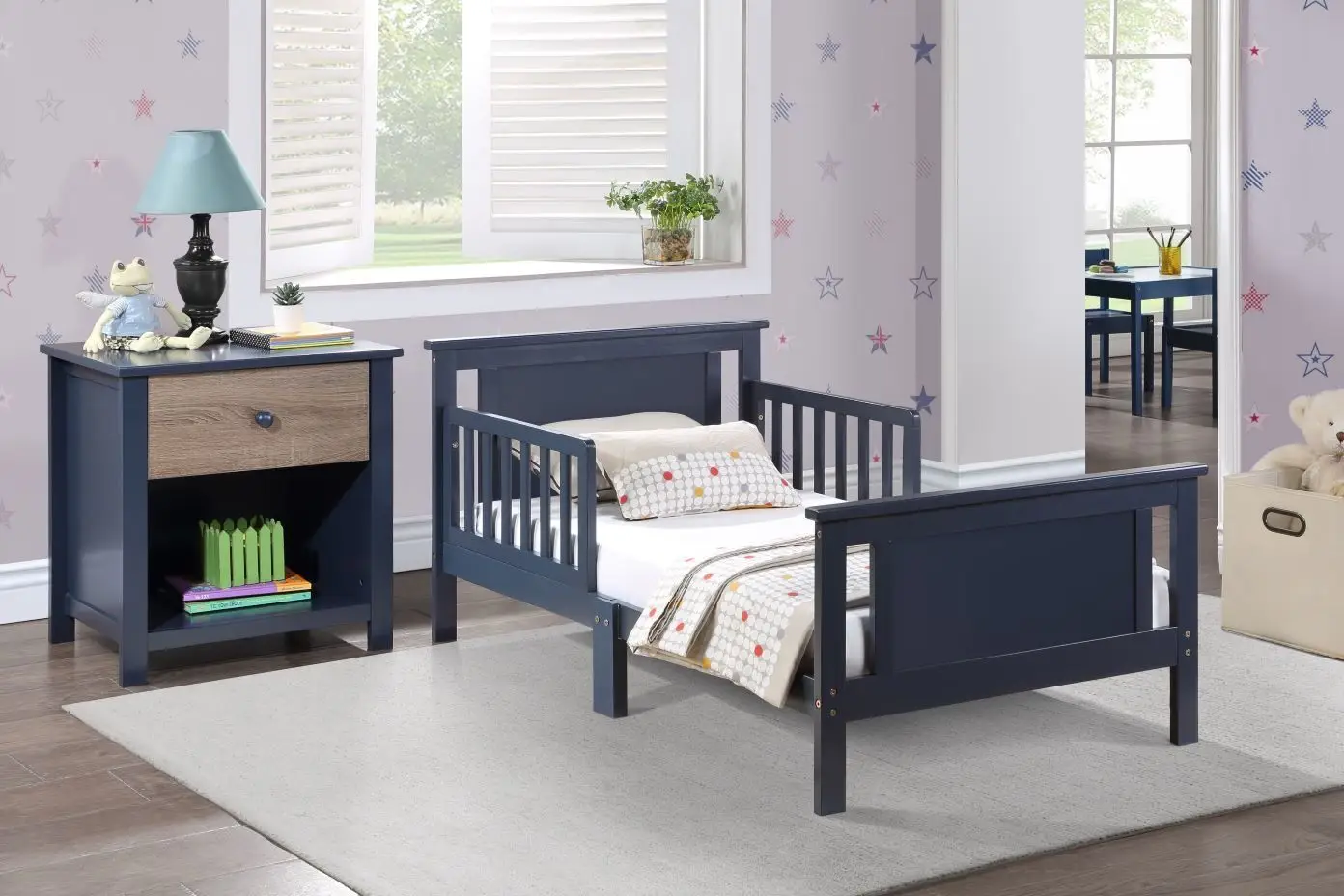
When it comes to the mattress, you may not need a new one if you're converting a crib, as long as the existing mattress fits snugly and securely in the new setup. However, if you're transitioning to a standalone toddler bed, it's best to choose a firm, breathable mattress made specifically for toddler use. As for how long your child will use a toddler bed, most stay in it until around age 4 or 5, depending on their growth, sleep habits, and when they're ready to move on to a twin bed or full-size bed.
Growing with Confidence
There's no perfect script when it comes to parenting transitions. But when you take the time to follow your child's lead, prepare their space with care, and create a routine that feels safe and familiar, you lay the foundation for a successful shift. This moment is more than just a change in furniture - it's a meaningful step forward in your child's journey toward independence, and we're here to support you every step of the way.