Choose the right rug pad size, thickness, and fit for your space.
A rug pad may sit under your rug, but it can make a big difference in how your space looks, feels, and functions. The right rug pad can help keep your area rug in place, add comfort underfoot, protect your floors, and help your rug wear more evenly over time.
This guide explains how to size a rug pad, what size rug pad you need for common rug sizes, how thick your rug pad should be, and how to choose the best option for living rooms, bedrooms, dining rooms, runners, and more.
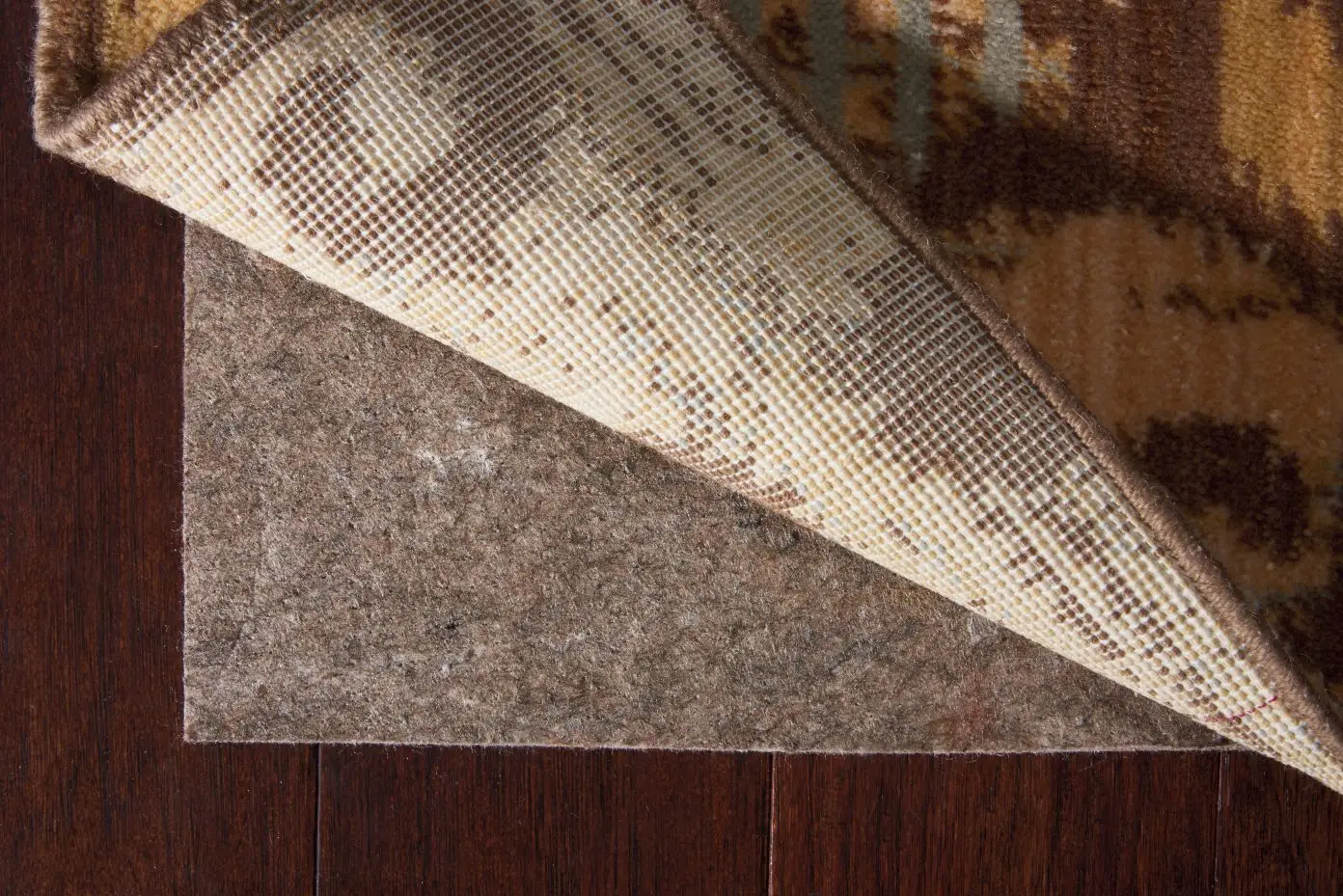
If you've ever noticed a rug creeping out from under the coffee table or bunching at the edges, the culprit is usually the rug pad - wrong size, wrong thickness, or missing altogether. Getting it right is simpler than it sounds.
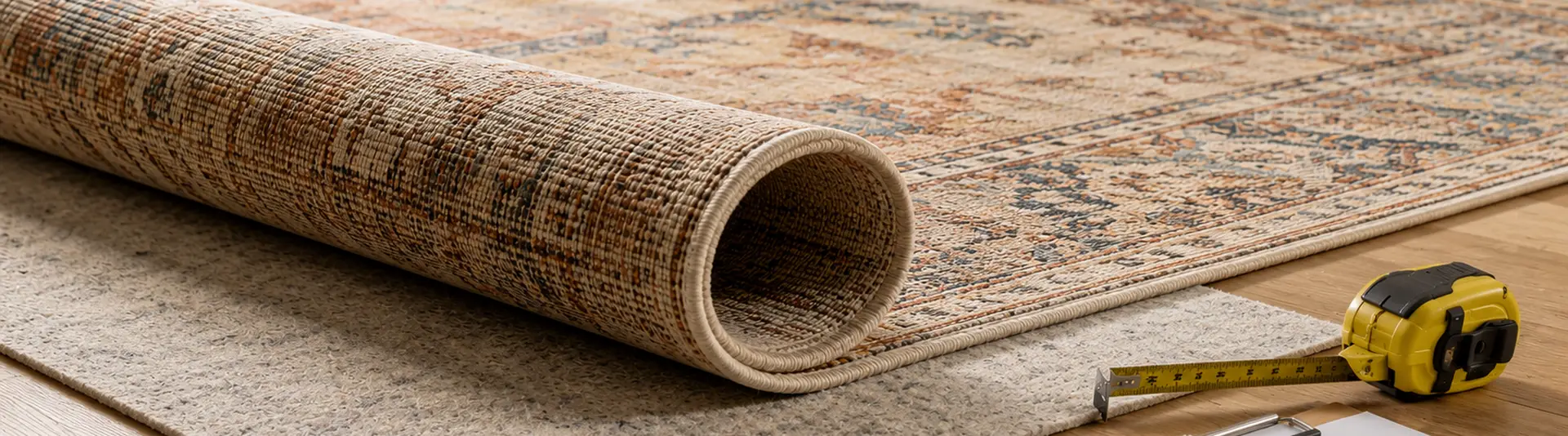
For most rugs, your rug pad should be slightly smaller than the rug itself. A good rule of thumb: choose a pad about 1 to 2 inches smaller than the rug on each side. This keeps the pad hidden underneath while still giving you grip, cushioning, and floor protection.
That stability can make a noticeable difference in everyday use. In a verified review for a Rooms To Go non-slip 8' X 10' rug pad, Sheila R. called it an “excellent product” and said it “keeps my rug in place with no slipping or shifting.”
Don't include fringe or tassels when you measure - just the rug surface. Then choose the closest smaller rug pad size, or trim a pad down for a better fit.
| Rug Size / Shape | Recommended Rug Pad Size | Best For | Related Rugs to Shop |
|---|---|---|---|
| Up to 3' x 5' rug | Around 2'10" x 4'10" or trimmed slightly smaller | Small accent rugs, entryways, bedside rugs, and compact spaces | Rugs up to 3' x 5' |
| 4 x 6 rug | Around 3'10" x 5'10" or a trimmed 4 x 6 rug pad | Small accent rugs, entryways, kids rooms, and compact spaces | Small rugs up to 4' x 6' |
| 5 x 7 rug | Around 4'10" x 6'10" or a trimmed 5 x 7 rug pad | Bedrooms, small living rooms, under coffee tables, and reading nooks | Area rugs up to 6'6" x 10' |
| 6 x 9 rug | Around 5'10" x 8'10" or a trimmed 6 x 9 rug pad | Medium living rooms, dining spaces, bedrooms, and home offices | Medium area rugs up to 6'6" x 10' |
| 8 x 10 rug | Around 7'10" x 9'10" or a trimmed 8 x 10 rug pad | Living rooms, bedrooms, dining rooms, and larger seating areas | Rugs up to 8' x 11' |
| 9 x 12 rug | Around 8'10" x 11'10" or a trimmed 9 x 12 rug pad | Large living rooms, dining rooms, primary bedrooms, and open layouts | Large rugs up to 12' x 15' |
| 12 x 15 rug | Around 11'10" x 14'10" or a trimmed 12 x 15 rug pad | Oversized rooms, large seating areas, and open floor plans | Oversized rugs up to 12' x 15' |
| Runner rug | Slightly narrower and shorter than the runner | Hallways, kitchens, entryways, and narrow walkways | Runner rugs for hallways and entryways |
| Round rug | Slightly smaller round rug pad | Round dining areas, accent spaces, nurseries, and reading corners | Round rugs for dining rooms and accent spaces |
| Square rug | Slightly smaller square rug pad | Square seating areas, playrooms, offices, and balanced room layouts | Square rugs for balanced room layouts |
| Oval rug | Slightly smaller oval or trimmable rug pad | Dining rooms, entryways, bedrooms, and traditional spaces | Oval rugs for dining rooms and bedrooms |
No. A rug pad should usually be slightly smaller than the rug itself. The pad should sit about 1 to 2 inches inside the rug edges so it stays hidden while still supporting the rug.
If the rug pad is the same size as the rug, or larger, it can show around the edges, collect dirt, catch on shoes or vacuums, and make the rug sit unevenly.
The goal is not to match the rug exactly. The goal is to give the rug enough support while keeping the pad fully tucked underneath.
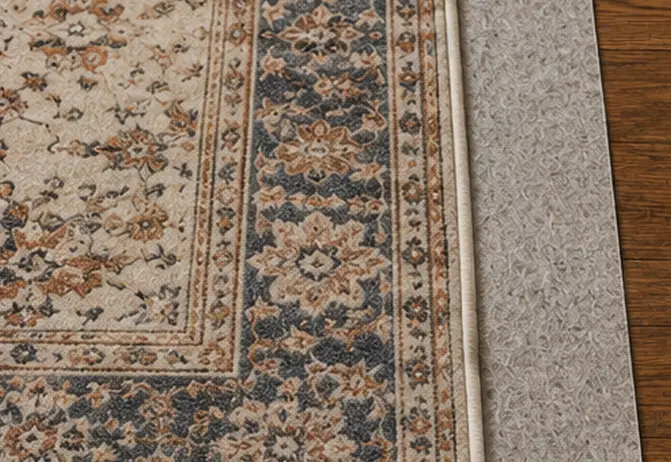
A rug pad that is the same size as the rug, or larger, is usually too big. Even if the pad lines up at first, normal foot traffic can cause it to shift and peek out around the edges.
An oversized pad can collect dirt, catch on shoes, make vacuuming harder, or create a raised edge around the rug. This is especially noticeable with thicker rug pads because the extra height can make the rug edge look uneven or feel slightly lifted.
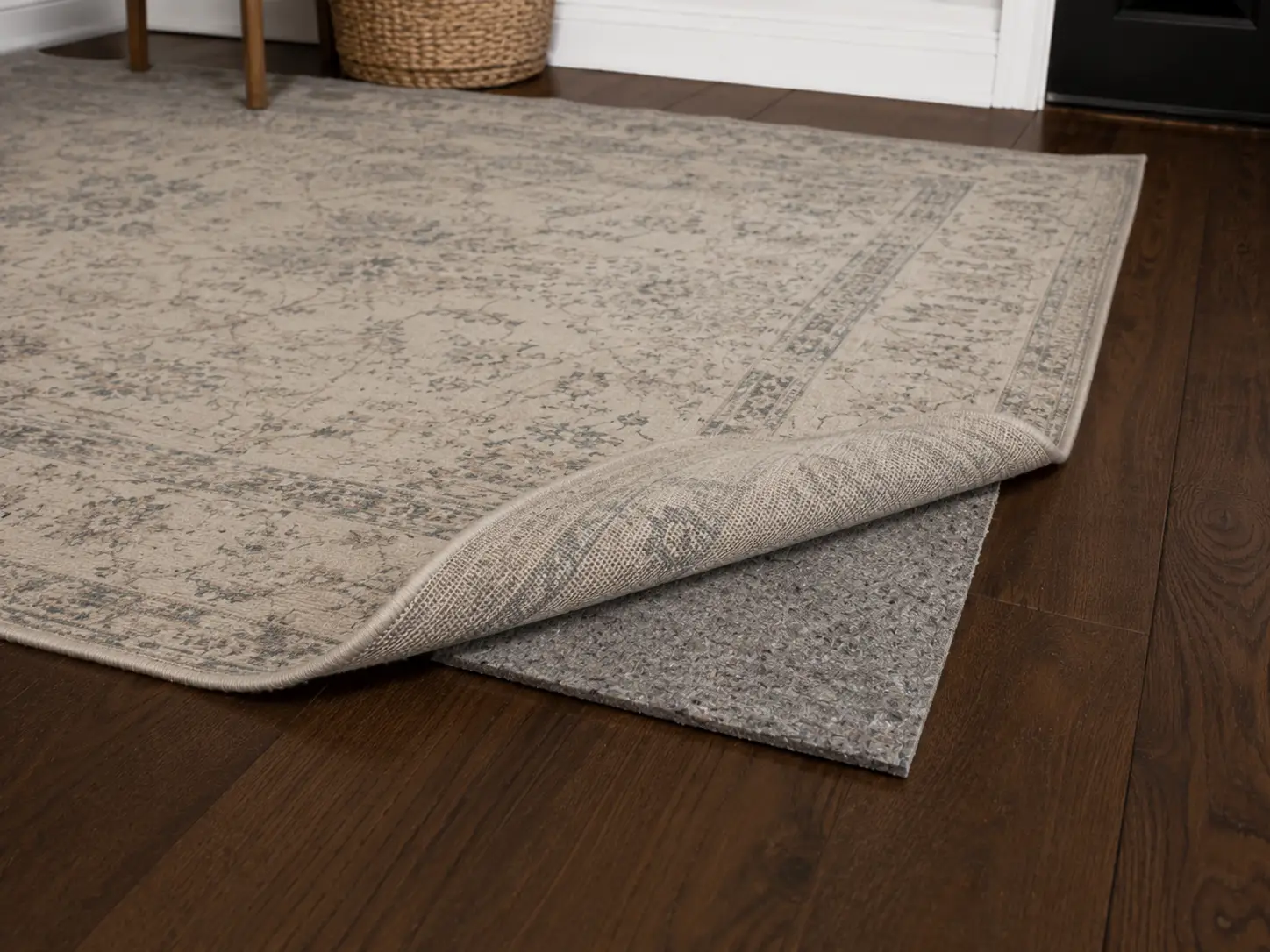
A rug pad that is too small leaves the rug edges unsupported. This can make the rug more likely to shift, bunch, curl, or wear unevenly, especially in walkways or under furniture.
If several inches of the rug sit beyond the pad on each side, the pad may not provide enough grip or cushioning where people step most often.
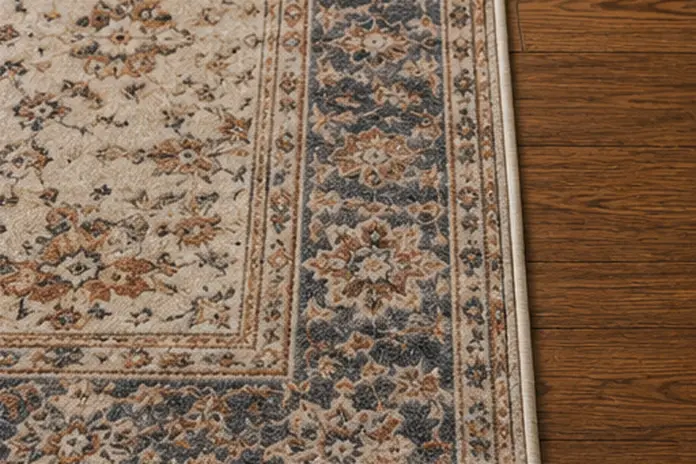
A properly sized rug pad sits slightly inside the rug edges, usually about 1 to 2 inches smaller on each side.
It should stay hidden when the rug is flat, but still cover enough surface area to help with grip, cushioning, and floor protection.
If the rug pad is visible from above, trim it down. If too much of the rug edge feels unsupported, choose a larger pad or trim a closer-fitting size.
Start with the rug, not the room. Measure its length and width, leaving out any fringe or tassels, then subtract about 1 to 2 inches from each side so the pad stays hidden underneath.
If the exact size you need isn't available, go with the closest smaller pad or a trimmable one. When in doubt, size down rather than up - a pad that's slightly too small is usually easier to work with than one that sticks out.
Many rug pads can be trimmed for a better fit. Start by laying the rug pad flat on a clean surface. Place the rug on top and center it. Mark the pad slightly inside the rug edge, then remove the rug and trim carefully with sharp scissors or a utility knife.
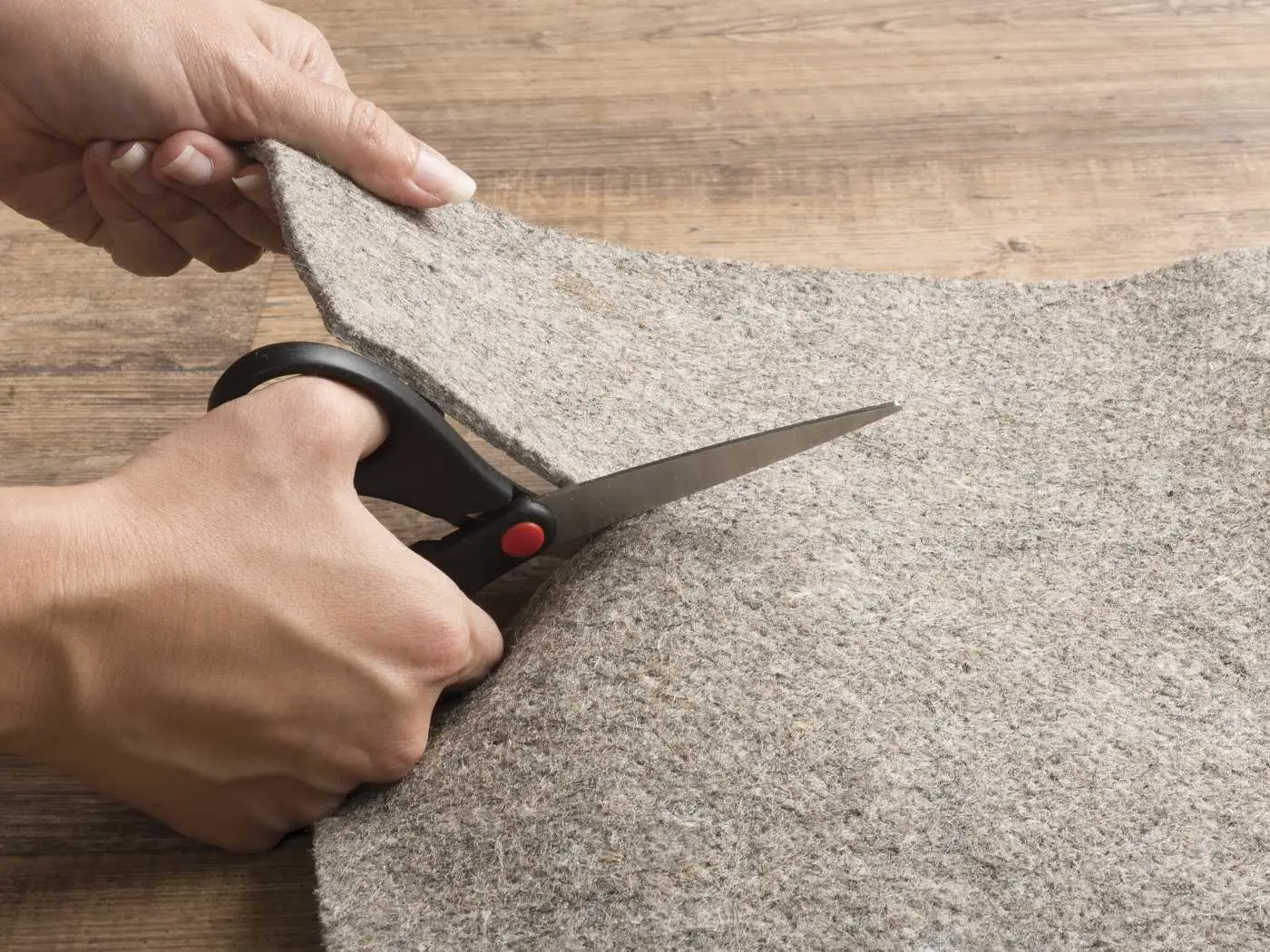
After trimming, place the rug pad where you want it, center the rug over the top, and check the edges. The pad should not be visible around the rug.
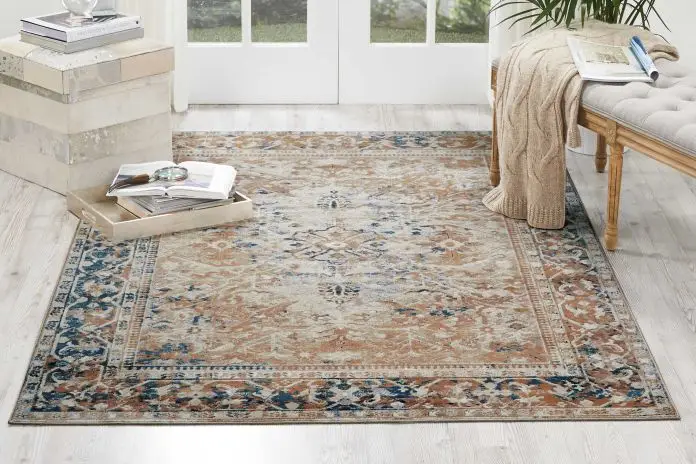
For a 5 x 7 rug, choose a rug pad around 4'10" x 6'10", or use a trimmable pad that can be cut slightly smaller than the rug. This size works well in bedrooms, small living rooms, reading nooks, and under coffee tables.
If you are shopping for a rug around this size, browse area rugs up to 6'6" x 10'.
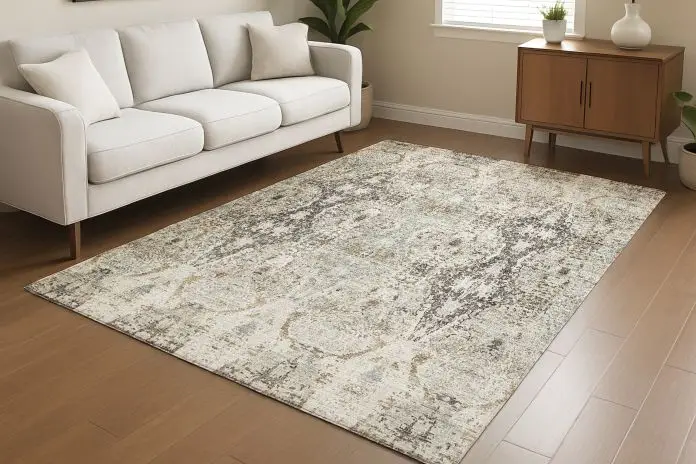
For an 8 x 10 rug, choose a rug pad around 7'10" x 9'10", or trim an 8 x 10 rug pad so it sits just inside the rug edges. This size is common in living rooms, bedrooms, and dining rooms where the rug often sits under furniture.
For similar rug options, shop rugs up to 8' x 11'.
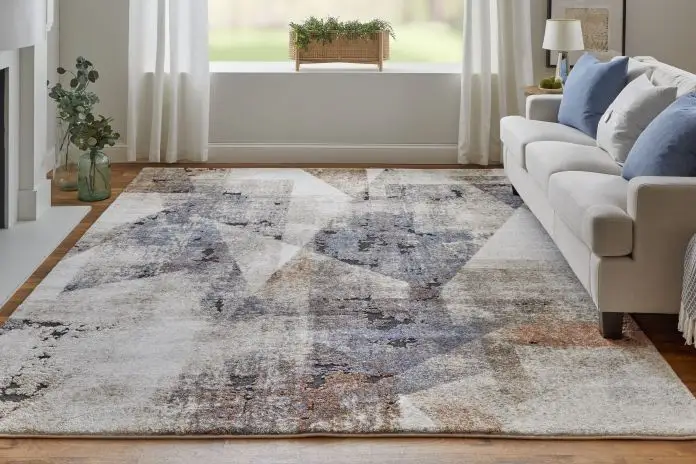
For a 9 x 12 rug, choose a rug pad around 8'10" x 11'10", or trim a larger pad for a closer fit. Larger rugs usually need enough pad coverage to support furniture legs, reduce shifting, and keep the rug feeling even underfoot.
For larger room layouts, shop oversized rugs up to 12' x 15'.
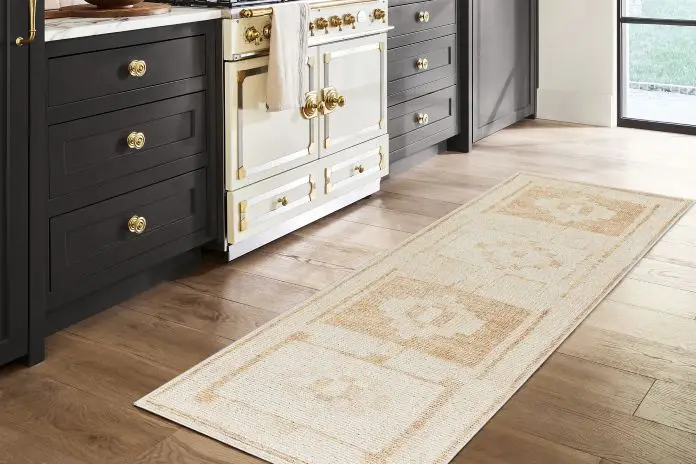
For a runner rug, choose a rug pad that is slightly narrower and shorter than the runner. Runner rugs are often used in hallways, kitchens, entryways, and narrow walkways, so a low-profile non-slip pad is usually the best choice.
Browse runner rugs for hallways and entryways.
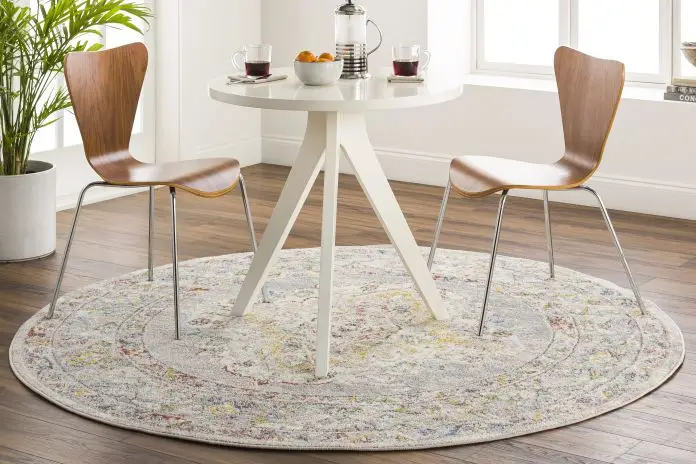
For a round rug, choose a round rug pad that sits slightly inside the rug edge. If the pad is trimmable, center it under the rug and cut carefully so it does not show around the curve.
Browse round rugs for dining rooms and accent spaces.
Rug pad thickness affects how your rug feels, how flat it sits, and how well it works in the room. A thicker pad can add comfort underfoot, but it is not always the best choice for every space. Before choosing a rug pad, think about door clearance, furniture placement, chair movement, rug pile height, and how much foot traffic the room gets.
For example, a rug near a doorway or hallway usually needs a thinner pad so the edges do not catch or bunch. A bedroom or cozy seating area can often handle more cushioning. For most living rooms, dining rooms, and home offices, a standard rug pad gives you the best balance of comfort, grip, and low-profile support.
Quick Thickness Rule: Choose a thinner rug pad when grip and clearance matter most. Choose a standard rug pad for everyday comfort in most rooms. Choose a thicker rug pad only when you want extra cushioning and the rug is not near doors, dining chairs, or heavy foot traffic.
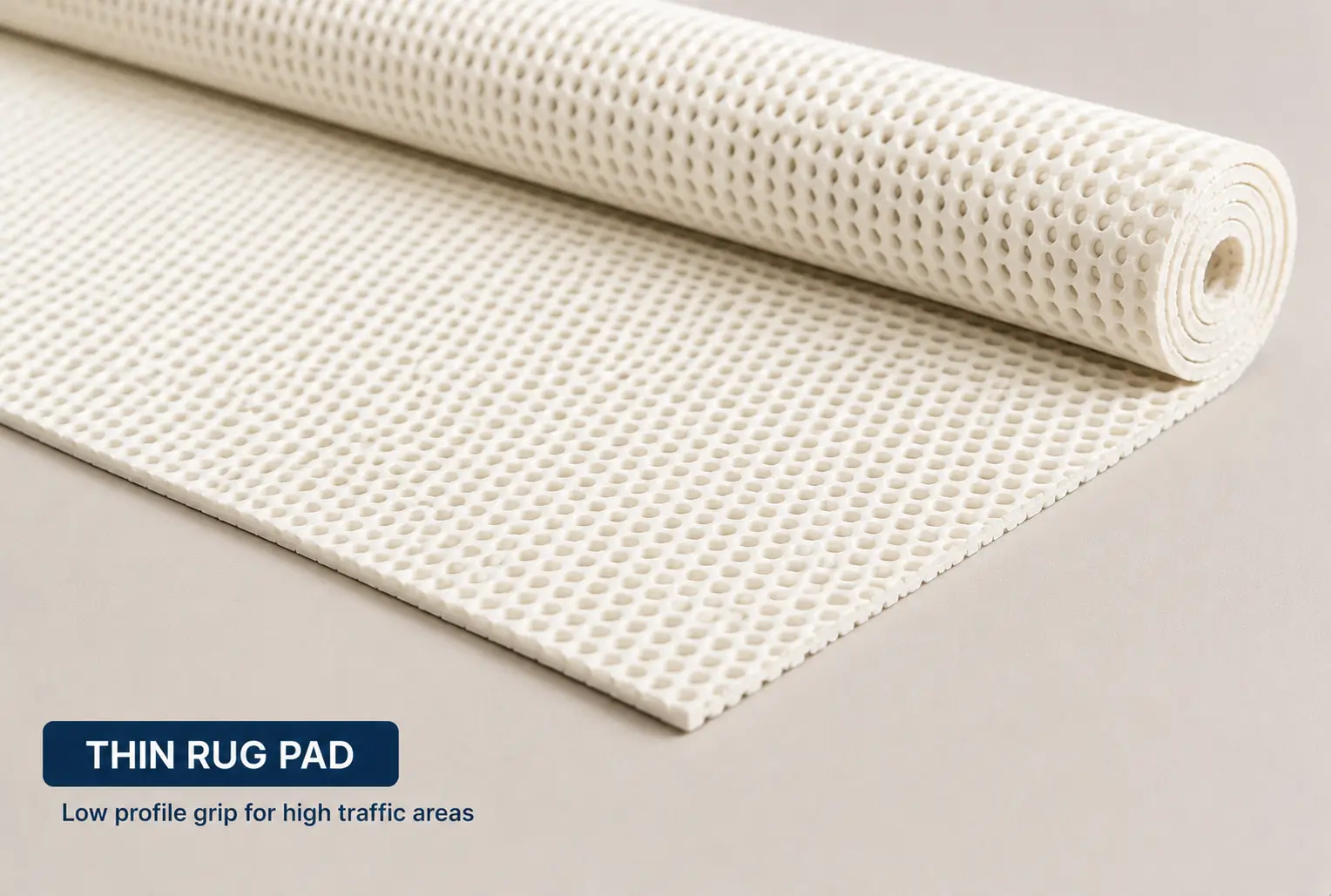
Thin rug pads are usually around 1/16" to 1/8" thick. Thin rug pads are best for doorways, entryways, hallways, runners, kitchens, and other low-clearance areas. They help add grip without raising the rug too much, which can reduce the chance of edges catching under doors, shoes, or rolling furniture.
Choose a thin rug pad when the rug is lightweight, flatwoven, placed in a high-traffic walkway, or used anywhere that needs stability without extra height.
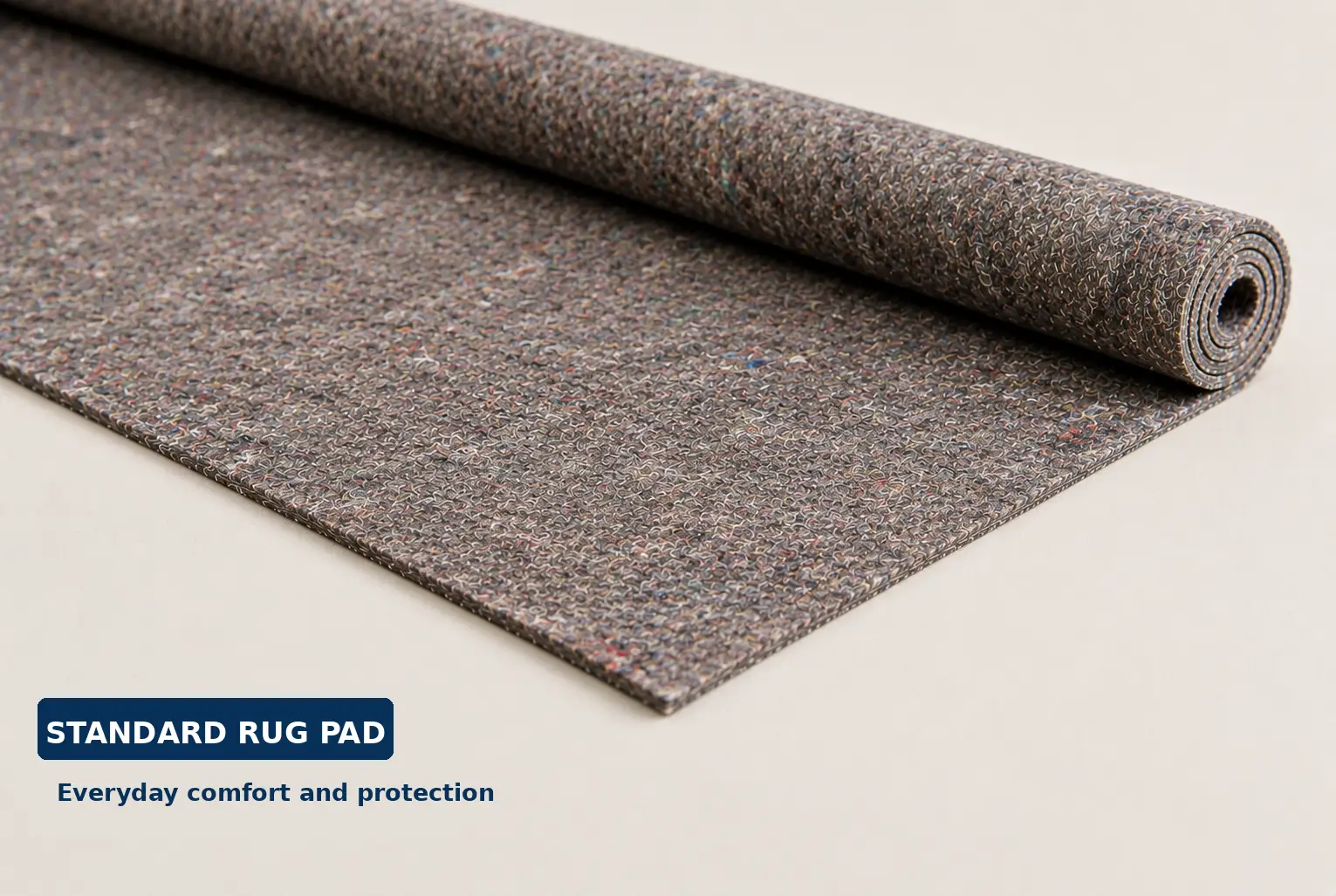
Standard rug pads are usually around 1/4" thick. Standard rug pads are a good choice for most living rooms, bedrooms, home offices, and dining rooms. They offer a balance of comfort, grip, and floor protection without making the rug feel too raised.
The right amount of padding can make the rug feel noticeably better underfoot. In a verified review for a Rooms To Go Non-slip 5' X 7' Rug Pad, Devetta H. described it as “walking on air” and said the padding “makes a real difference.” For everyday rooms where you want both comfort and stability, a standard rug pad is often the best fit.
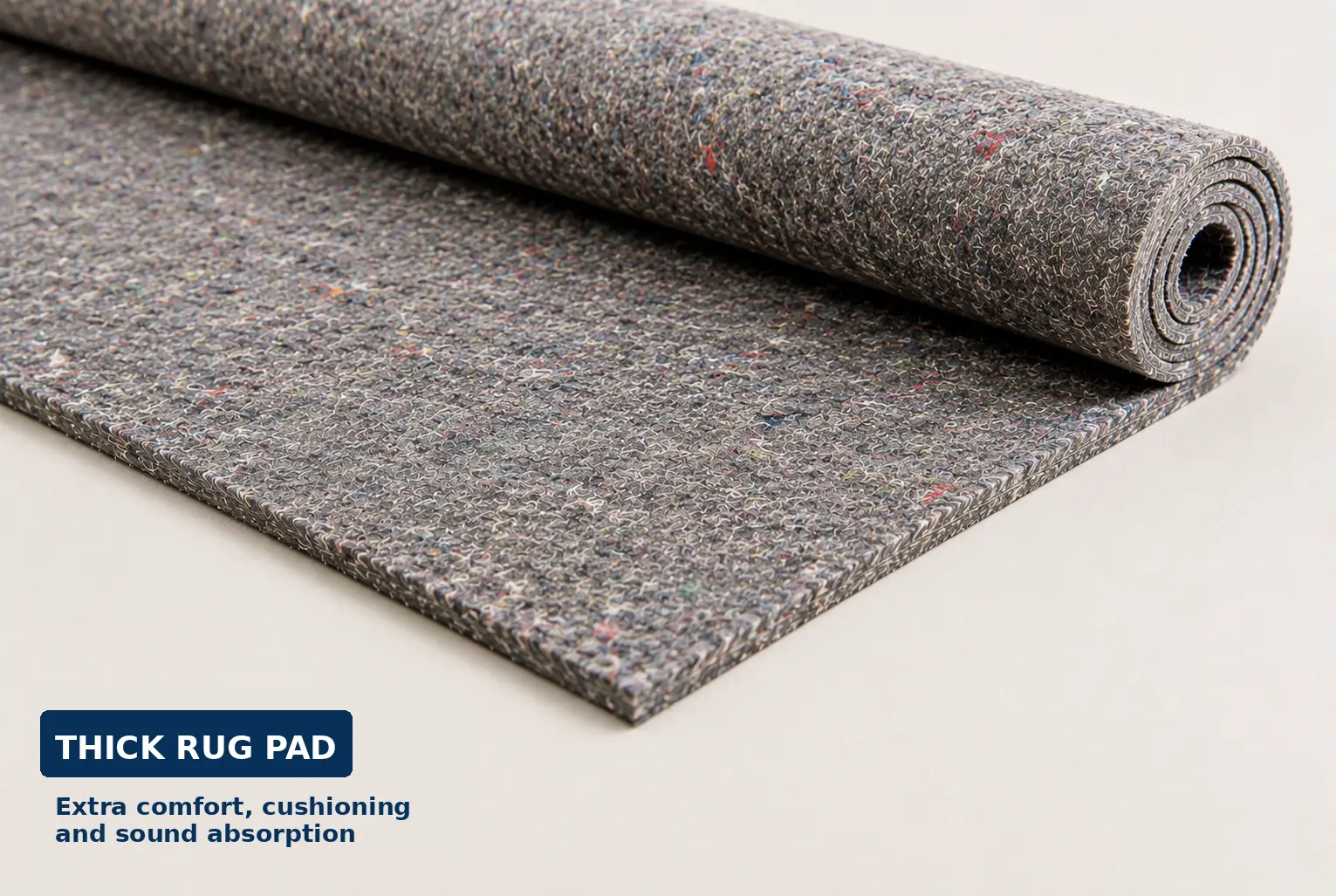
Thicker rug pads are usually around 3/8" to 1/2" thick. Thicker rug pads can add extra cushioning under large area rugs. They work best in bedrooms, cozy seating areas, and lower-traffic spaces where comfort matters more than door clearance.
Avoid using thick rug pads near doors, under dining chairs, in hallways, or in areas where the added height could make the rug catch, bunch, or feel uneven. If the rug already has a thick pile, a standard pad may be a better choice than adding more height.
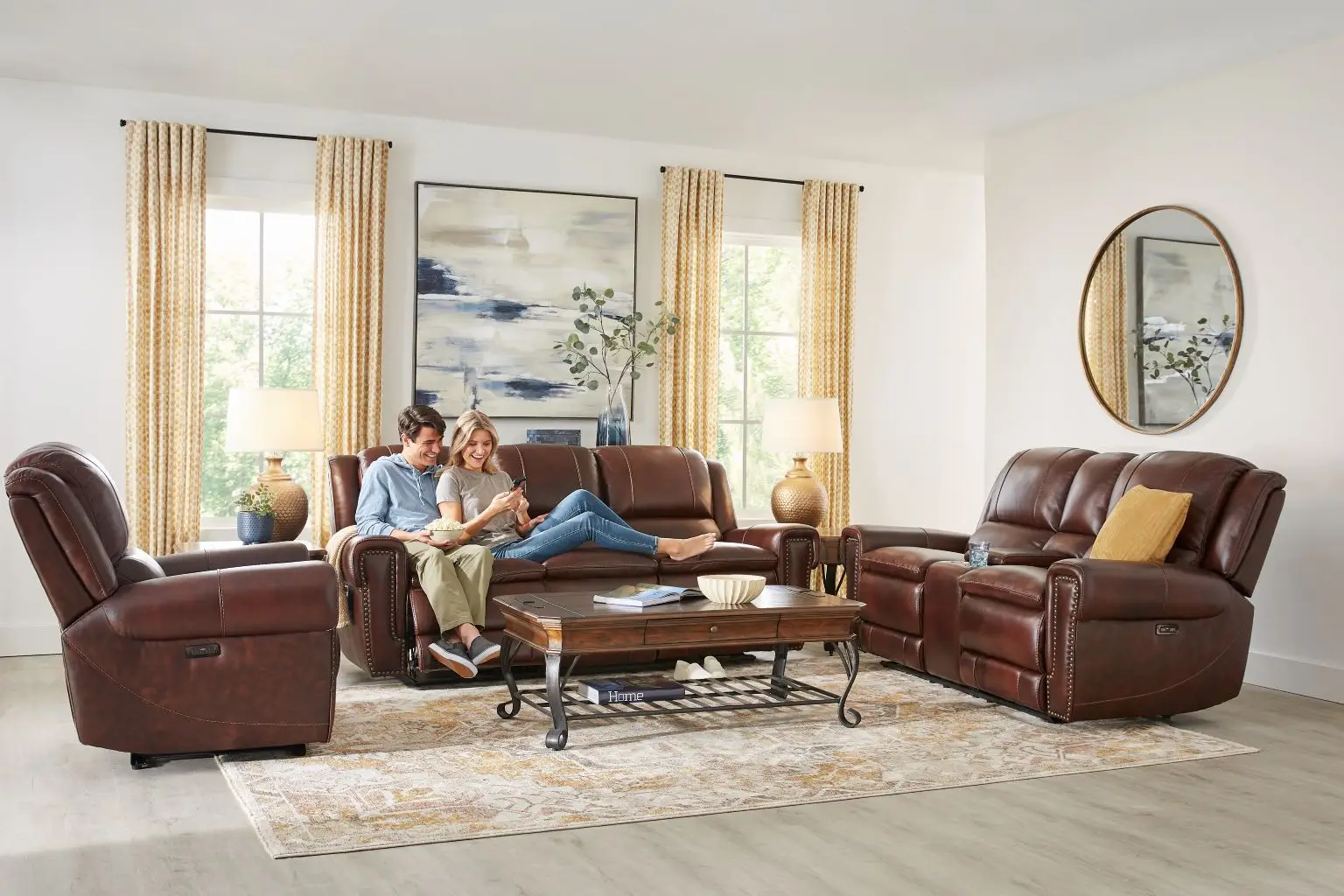
A rug pad helps keep rugs stable under living room furniture like sofas, sectionals, coffee tables, and accent chairs. It can also add comfort in seating areas where people walk, sit, or lounge often.
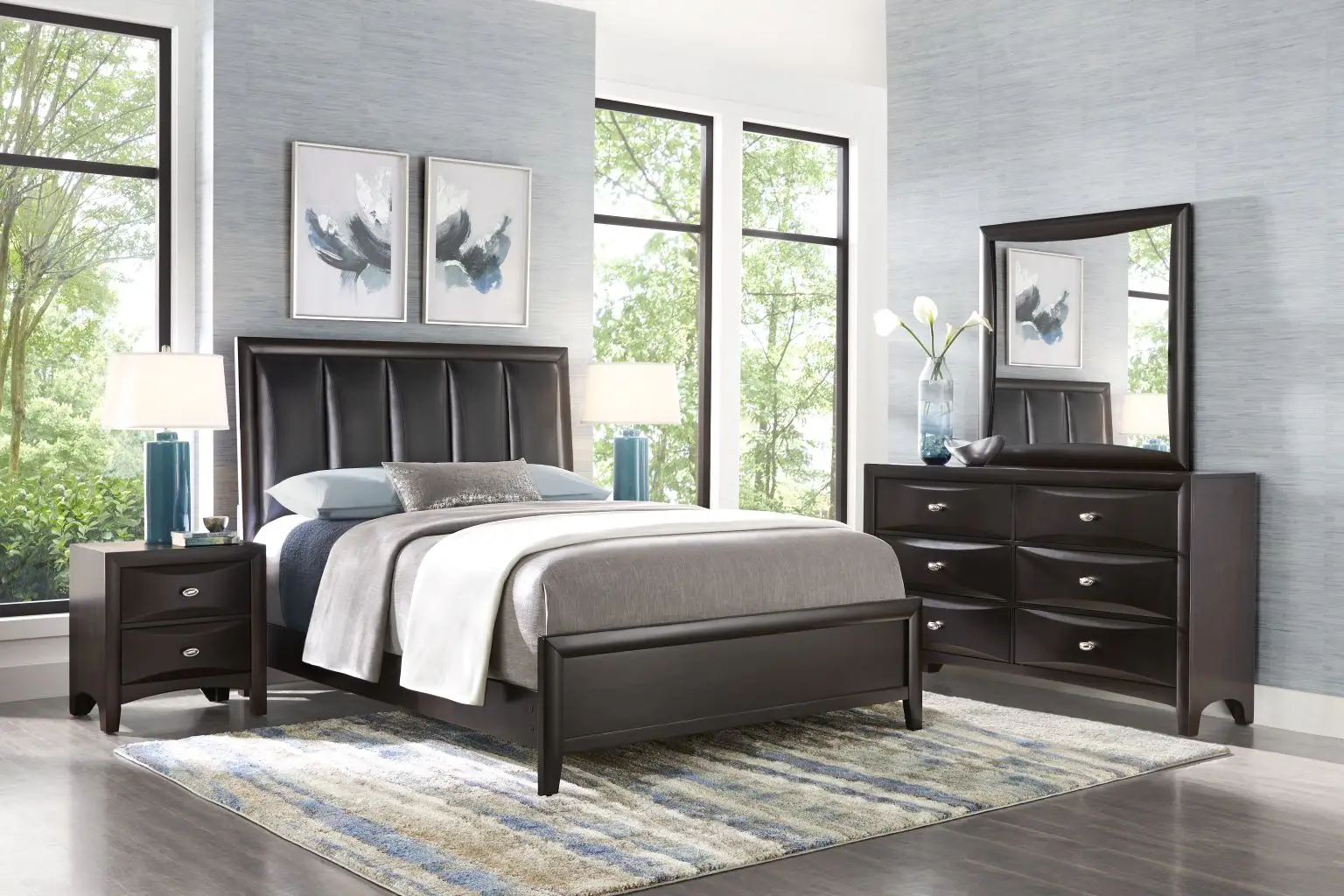
In bedrooms, a rug pad can make the area around bedroom furniture feel softer and more finished. It also helps keep the rug from shifting near nightstands, benches, dressers, and the sides of the bed.
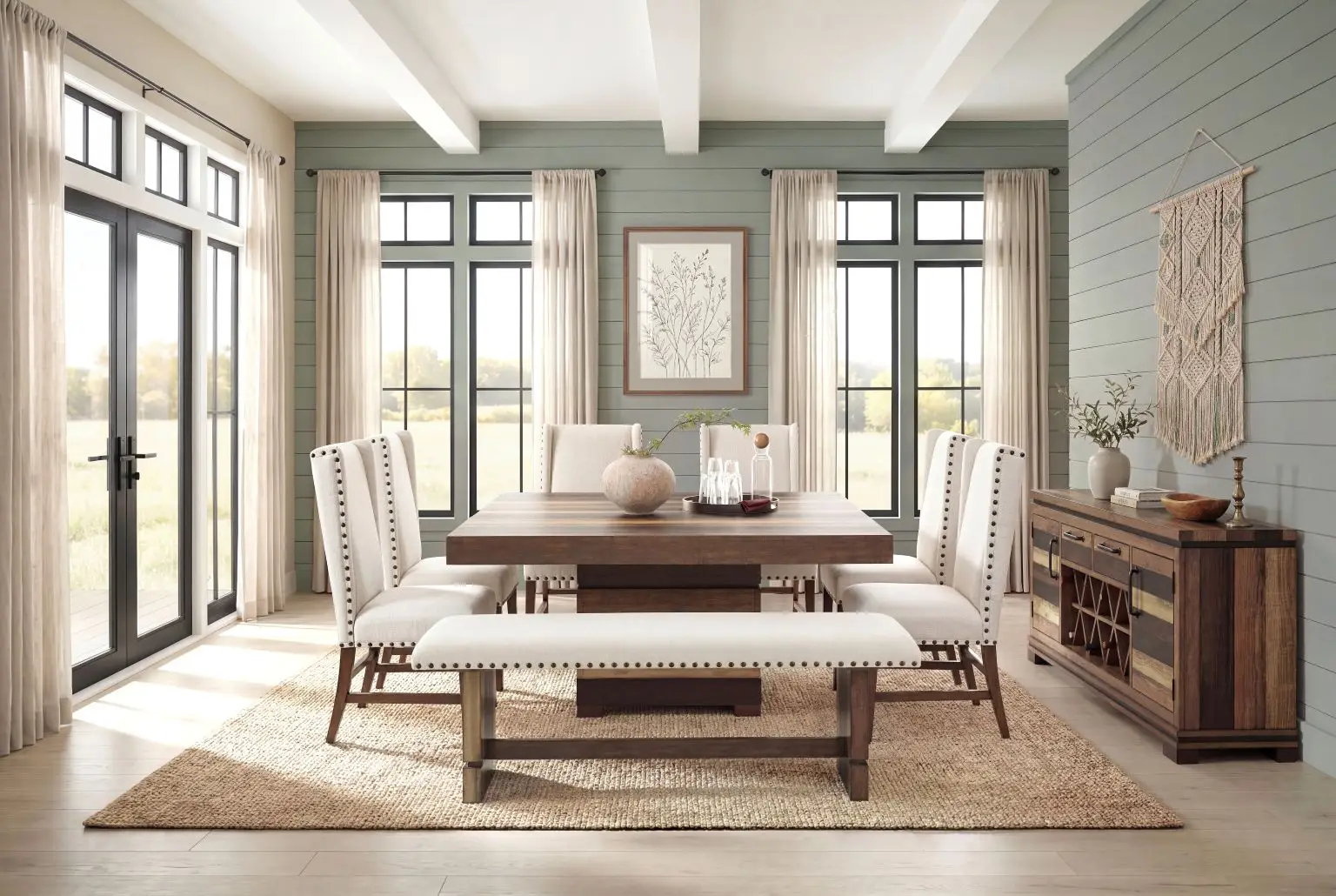
A dining room rug pad should support the rug without adding too much height under dining room furniture. Choose a pad that helps the rug stay smooth while still allowing dining chairs to move in and out comfortably.
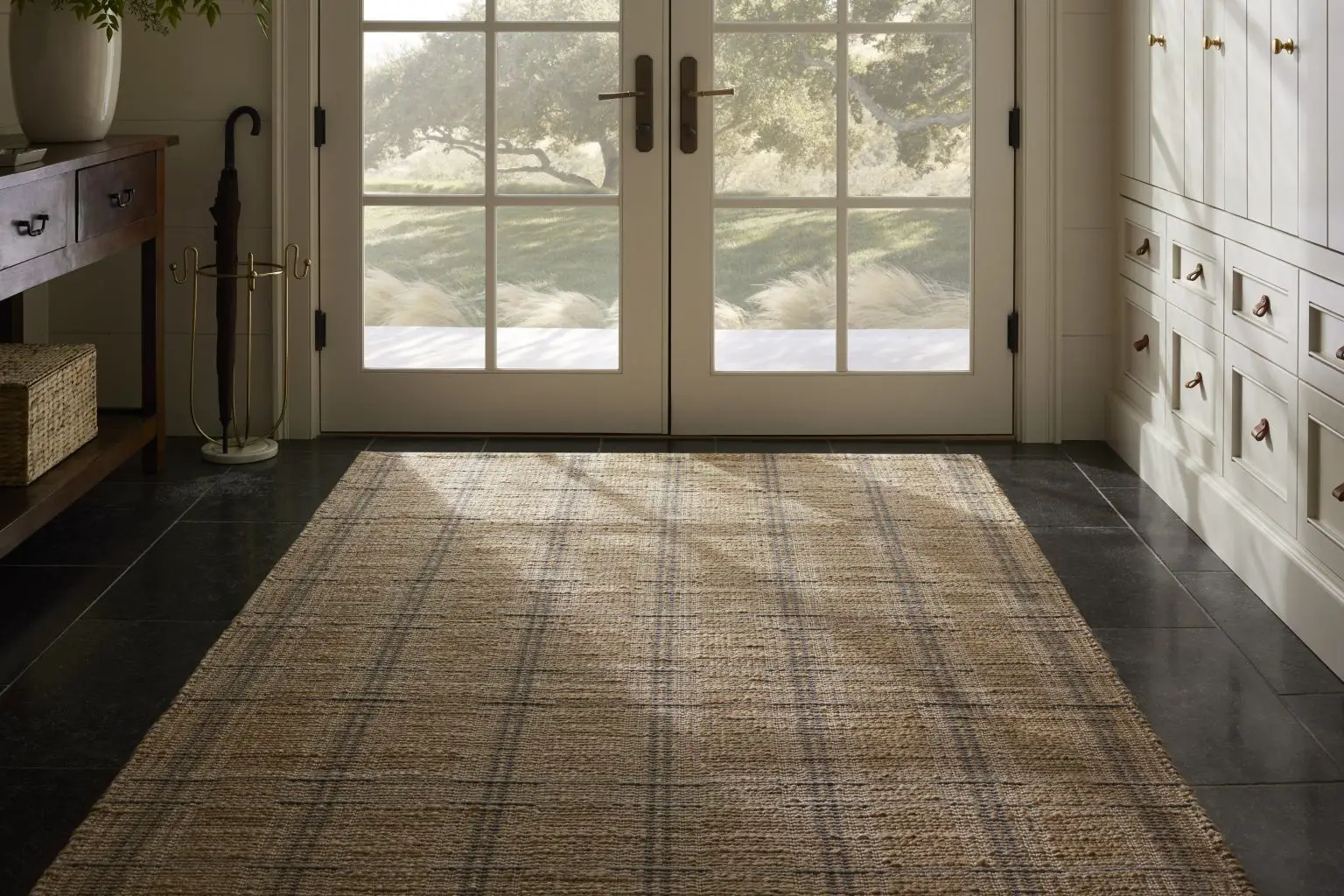
Runners and small rugs in high-traffic areas need strong grip. A low-profile non slip rug pad can help reduce sliding, bunching, and curled edges.
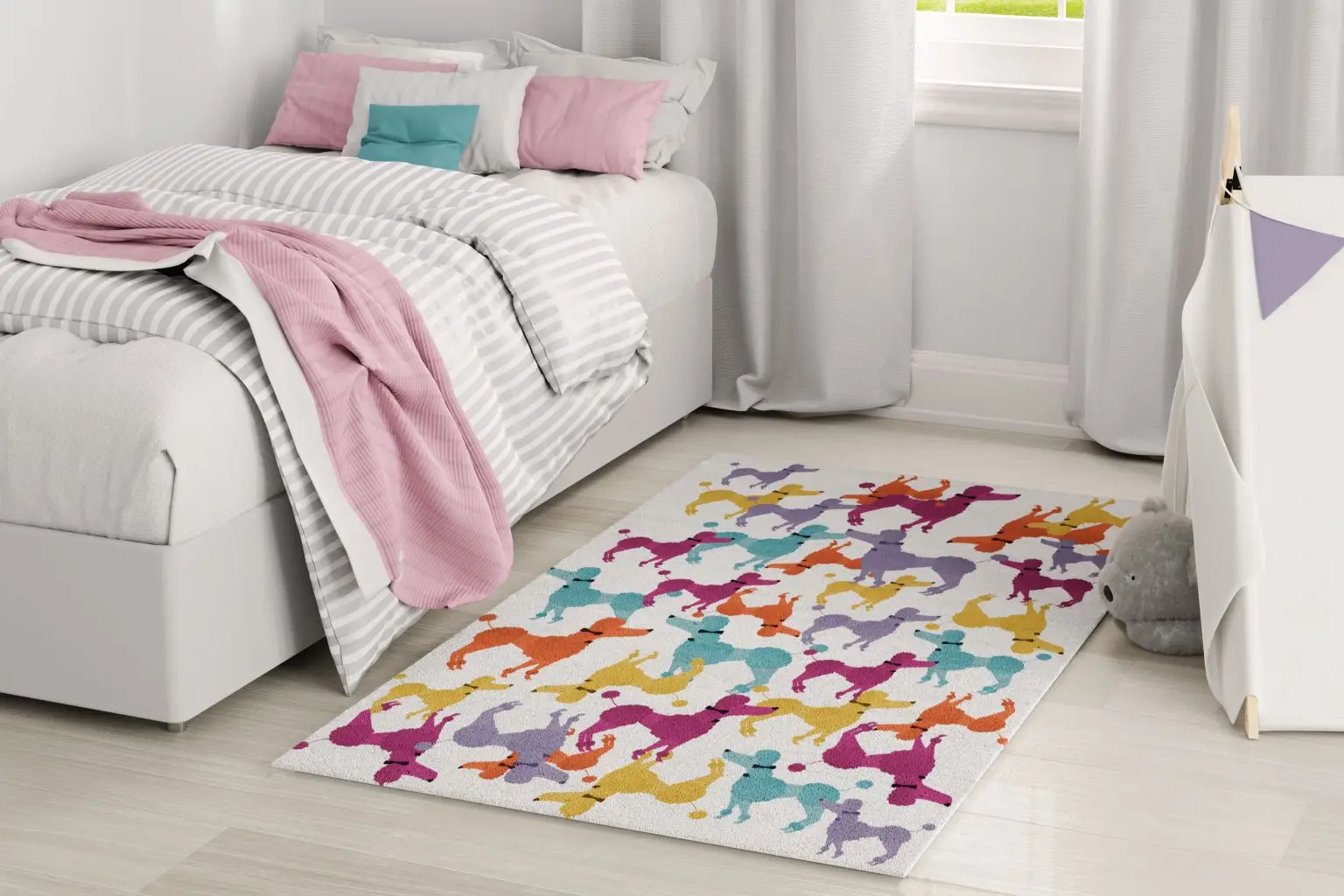
In kids rooms, a rug pad can help keep rugs more stable around kids and teens furniture, play areas, reading corners, and bedside spaces. A low-profile pad can add grip without making the rug feel too raised.
Most rugs benefit from a rug pad, but there are a few situations where one may not be necessary.
You may be able to skip a rug pad if the rug is very large, heavy, and anchored by furniture in a low-traffic room. For example, a large rug under a bed or a heavy rug under a full living room furniture set may stay in place without much movement.
You may also not need a separate rug pad if the rug already has a built-in non-slip backing. This is more common with some washable rugs, kitchen rugs, bathroom rugs, and entryway mats. Always check the product details before adding a separate pad.
That said, even when a rug does not slide, a pad can still help protect the floor, reduce friction, add cushion, and support the rug over time. If the rug is placed on hardwood, tile, laminate, vinyl, or any slick surface, a properly sized rug pad is usually still the safer choice.
A rug pad is especially worth using if the rug moves when walked on, curls at the corners, feels thin underfoot, sits in a high-traffic area, or rests on a floor surface you want to protect.
Not every rug pad works for every floor. The best choice depends on whether you need more grip, more cushion, more floor protection, or a low-profile pad that will not interfere with doors or furniture.
As a quick rule, felt adds cushioning, rubber adds grip, and felt-and-rubber pads offer a balance of both. Before choosing a rug pad, check that the material is safe for your floor type, especially if you have hardwood, engineered wood, laminate, vinyl, or luxury vinyl plank flooring.
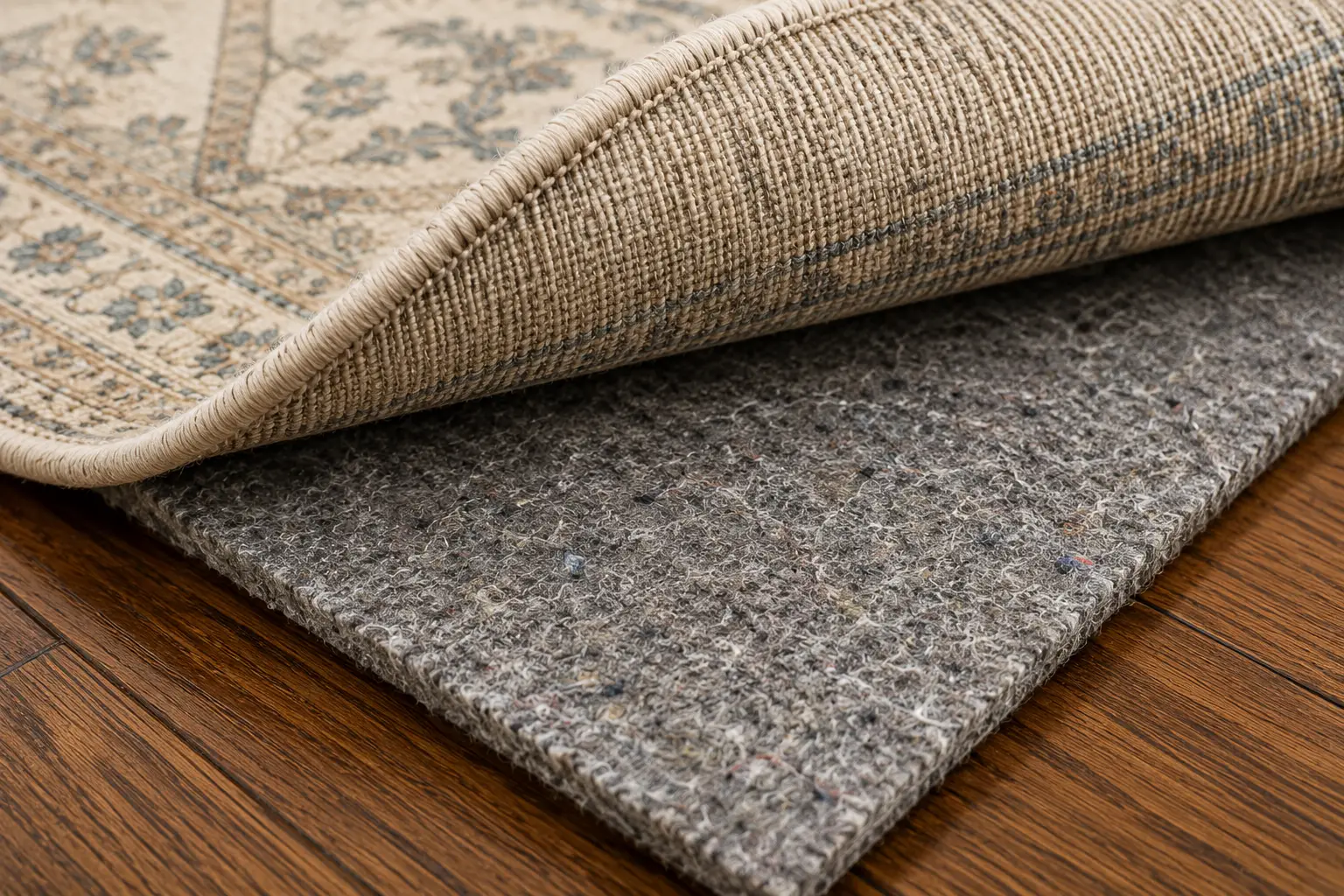
Hardwood and engineered wood floors need a rug pad that protects the finish while helping the rug stay in place. Look for felt, floor-safe natural rubber, or a felt-and-rubber combination - felt adds cushioning and helps reduce friction, while rubber helps keep the rug from sliding. A felt-and-rubber pad is a solid all-around choice for most living rooms, bedrooms, and dining rooms. For smaller rugs, runners, or flatweaves, a thinner natural rubber pad may work better since grip matters more than extra padding here.
Avoid cheap PVC, adhesive-backed pads, or low-quality synthetic rubber pads on hardwood. These materials can break down, stick to the finish, or leave residue. If your floor has a special finish, check the flooring manufacturer’s care instructions before using any rug pad.
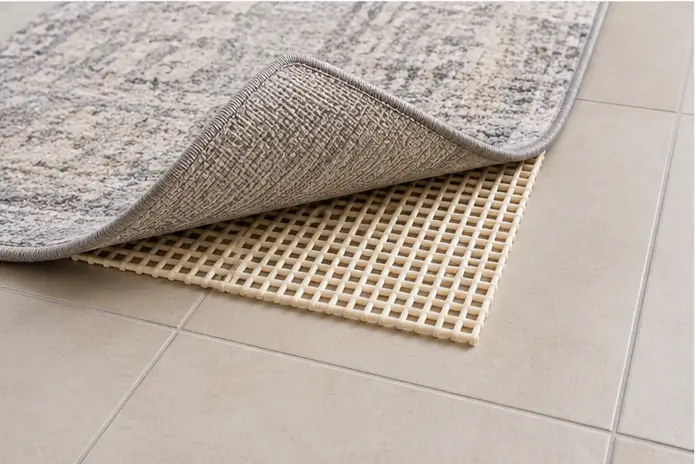
Tile floors are usually slick, so grip is the main priority. A natural rubber or rubber-backed rug pad can help keep the rug from sliding while still letting it sit flat. Open-weave pads can also allow airflow between the rug and floor.
Laminate, vinyl, and luxury vinyl plank floors call for more caution, since some pad materials can react with these surfaces and cause discoloration or finish damage. Choose a pad clearly labeled safe for laminate, vinyl, or LVP, look for non-staining, PVC-free options, and avoid traditional rubber pads unless the product specifically says it's safe for your floor type.
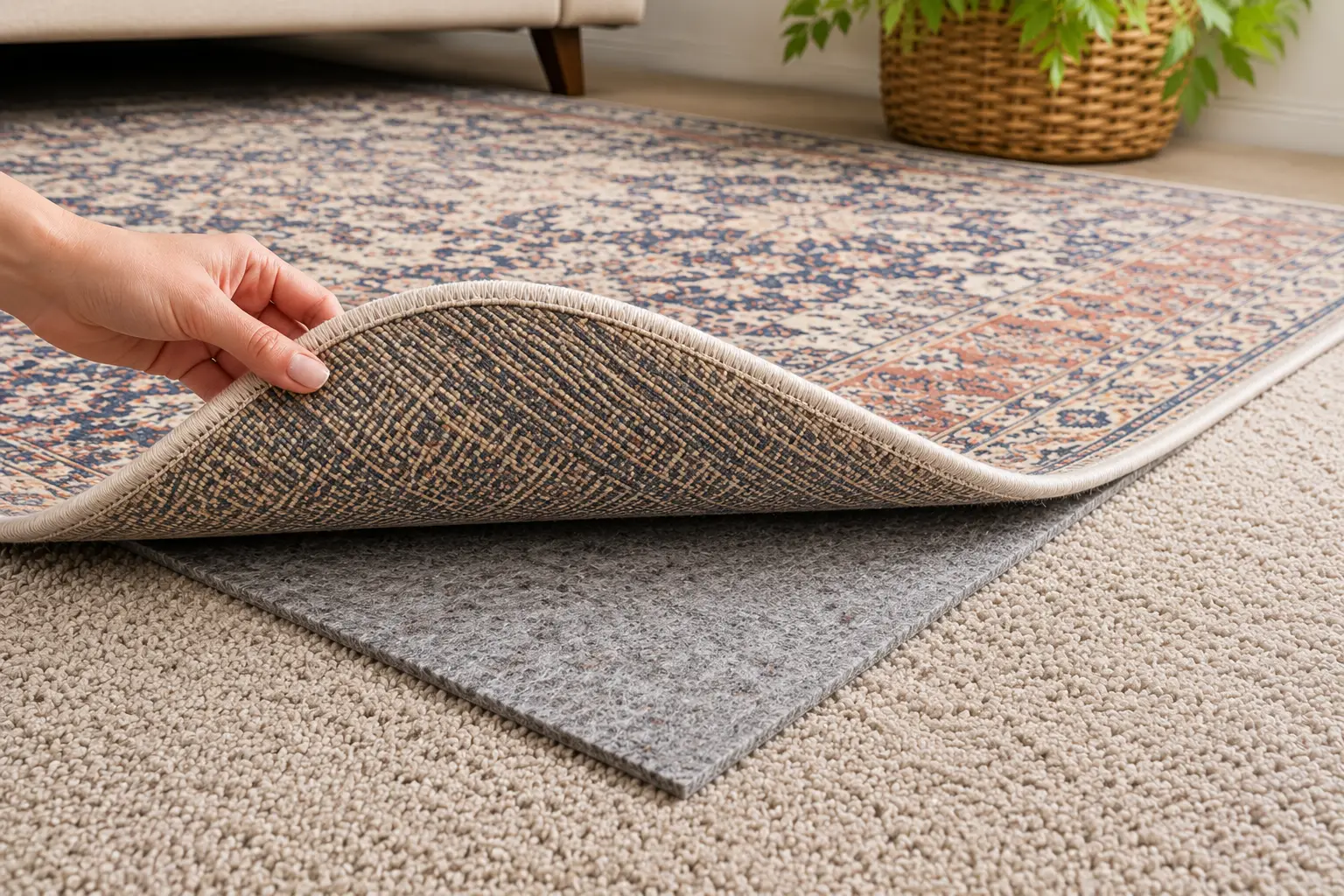
When placing an area rug over carpet, choose a pad made specifically for carpet-over-carpet use. A standard rug pad made for hard floors may not grip correctly on carpet and can still allow the rug to wrinkle or bunch.
Carpet rug pads are usually thin and firm, with a textured surface that helps grip the carpet fibers underneath. The goal is not to add a lot of cushion. The goal is to keep the area rug smoother, flatter, and more stable on top of the existing carpet.
This is especially helpful for rugs placed in bedrooms, sitting areas, or layered living room layouts where the rug needs to stay centered and avoid rippling over time.
The best rug pad should fit slightly inside the rug edges, stay hidden, protect the floor, and give the rug the right amount of grip or cushion.
Start with your floor type. Choose a pad that is labeled safe for hardwood, engineered wood, laminate, vinyl, luxury vinyl plank, tile, or carpet, depending on where the rug will go.
Think about how the rug is used. Small rugs, runners, and flatweaves usually need stronger grip. Large rugs under furniture often need more cushion and support. Rooms with doors, dining chairs, or heavy foot traffic usually need a thinner pad, while bedrooms and cozy seating areas can often handle more cushioning.
Check the fit after placing it. The pad should sit slightly inside the rug, usually about 1 to 2 inches smaller on each side. If it shows, trim it down. If the rug edges feel unsupported, choose a closer-fitting pad.
Know when to replace it. Swap the pad out if it starts to flatten, crumble, lose grip, stick to the floor, leave residue, hold odors, or stop lying flat.
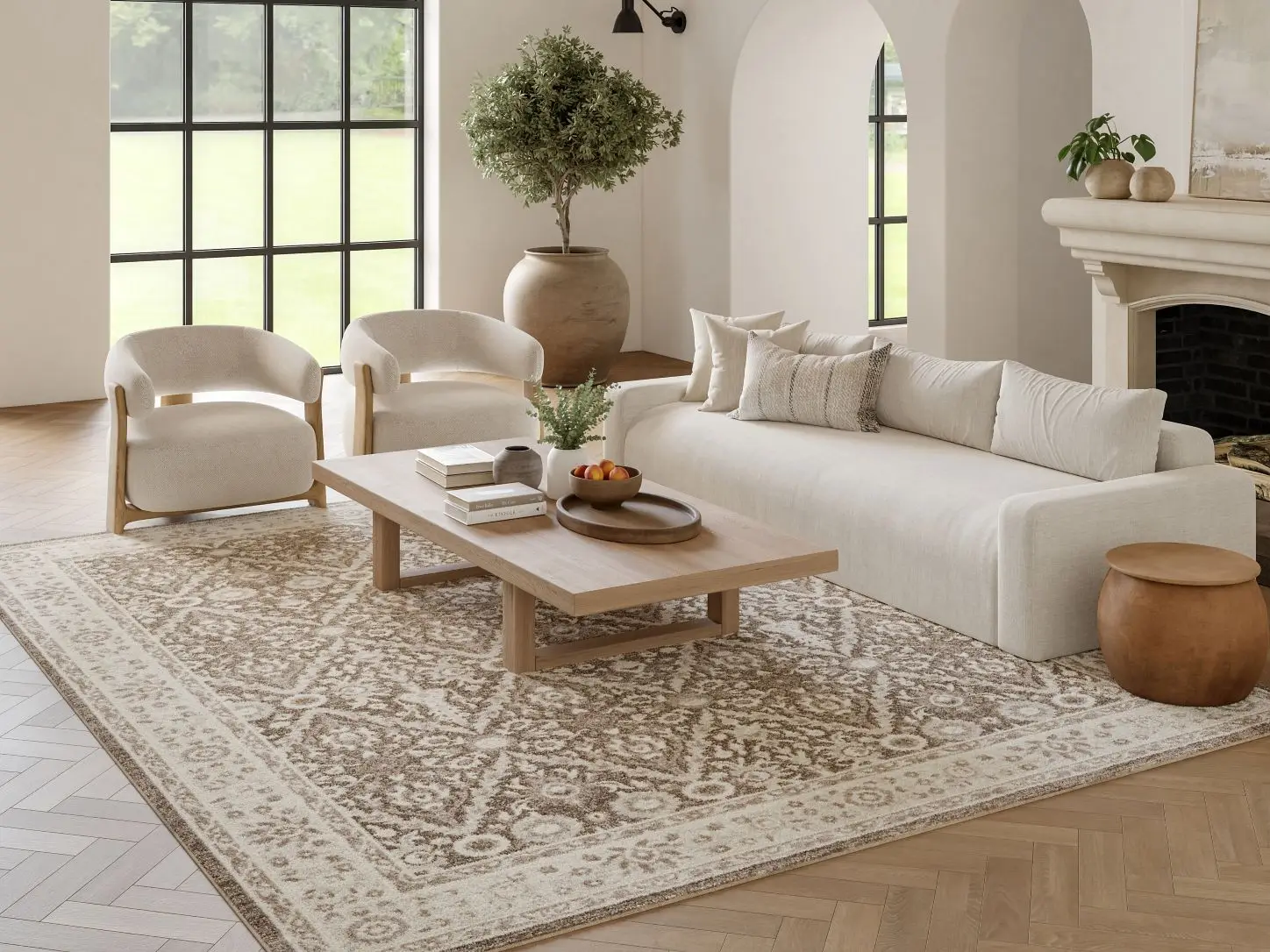
A properly sized rug pad is a small detail that makes a big difference - your rug stays put, your floors stay protected, and the whole room just feels more finished. Rooms To Go offers rugs and rug pads in popular sizes for living rooms, bedrooms, dining rooms, kids rooms, hallways, and more. Browse area rugs by size, shape, color, style, or room, then find the rug pad that fits right underneath.