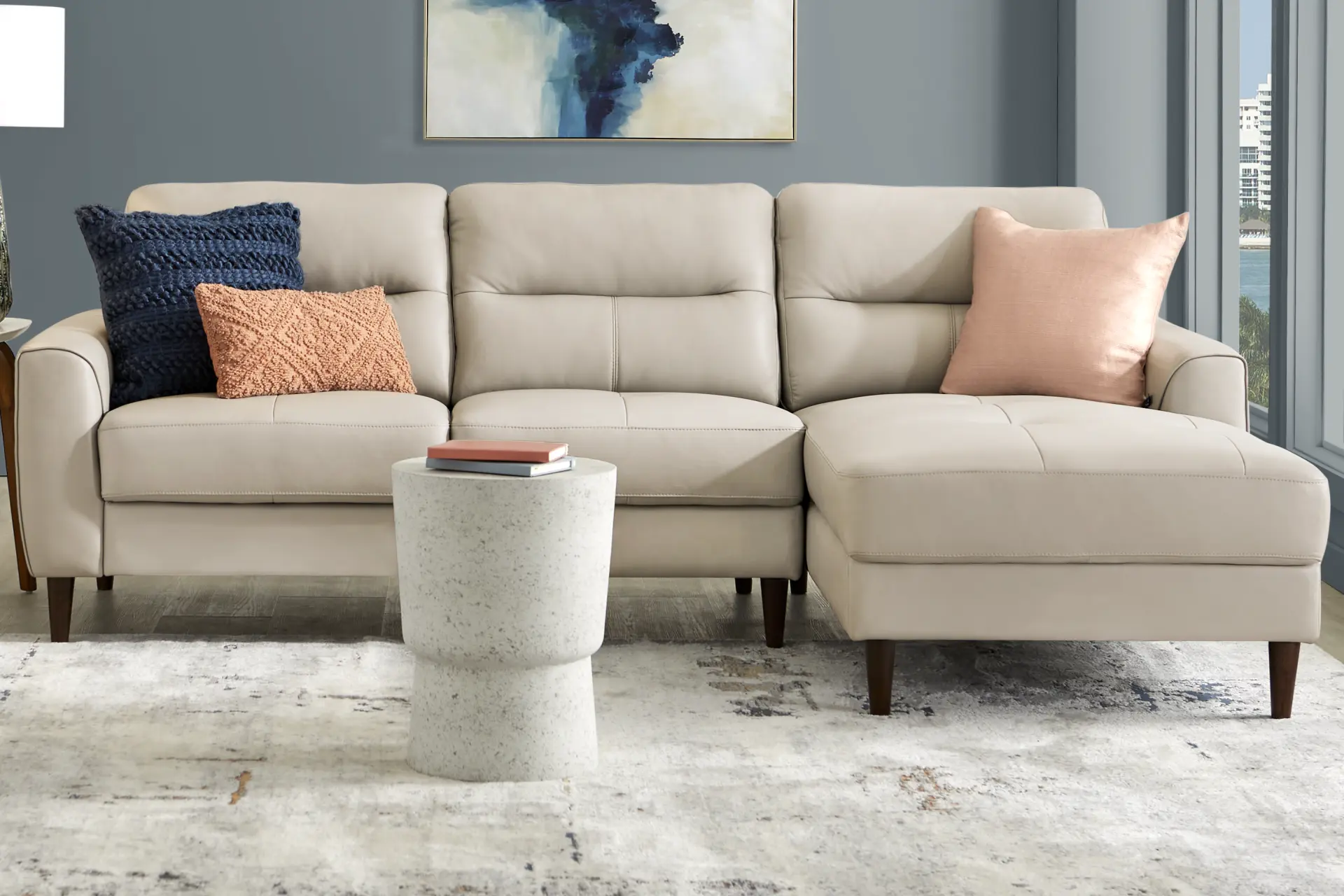
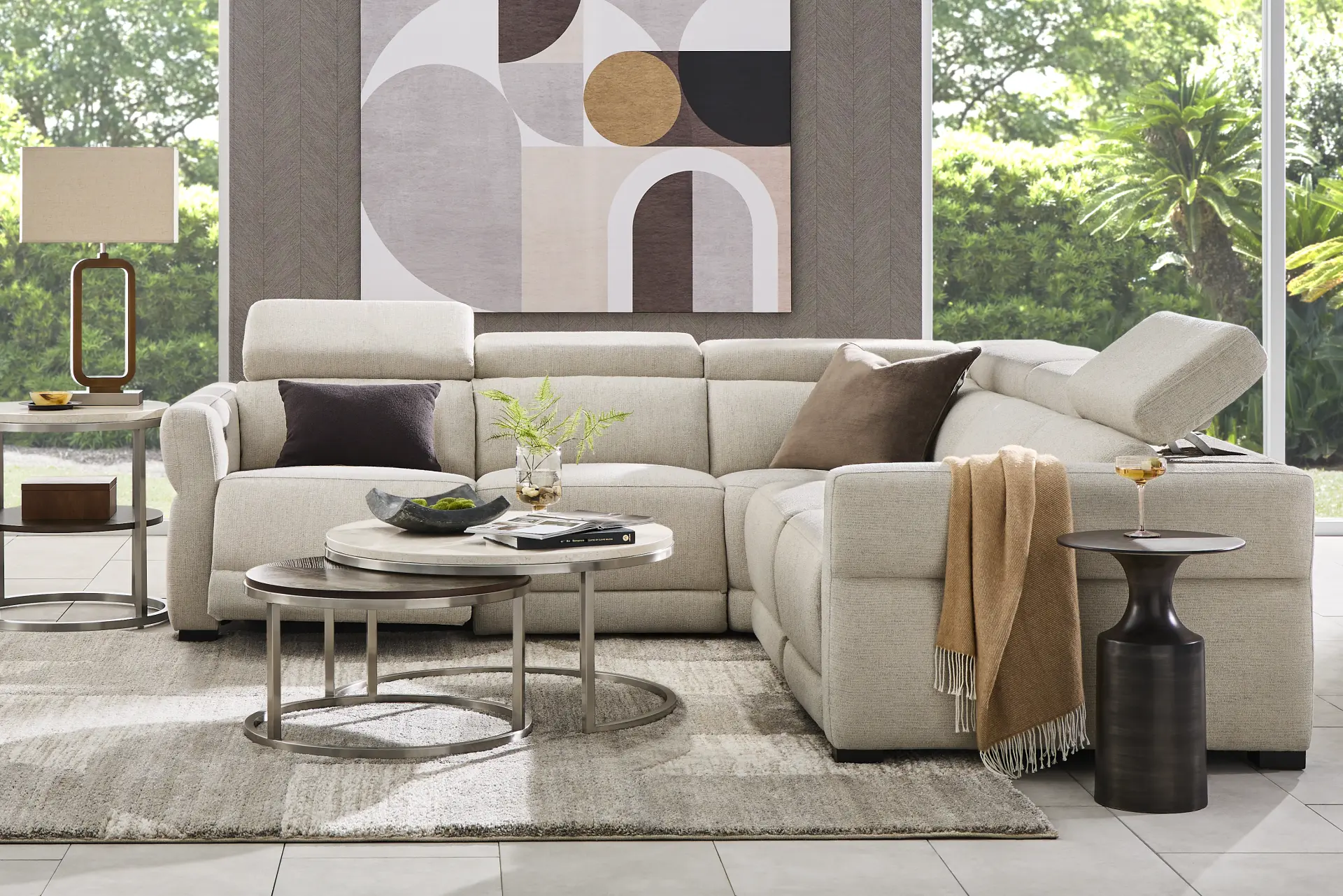
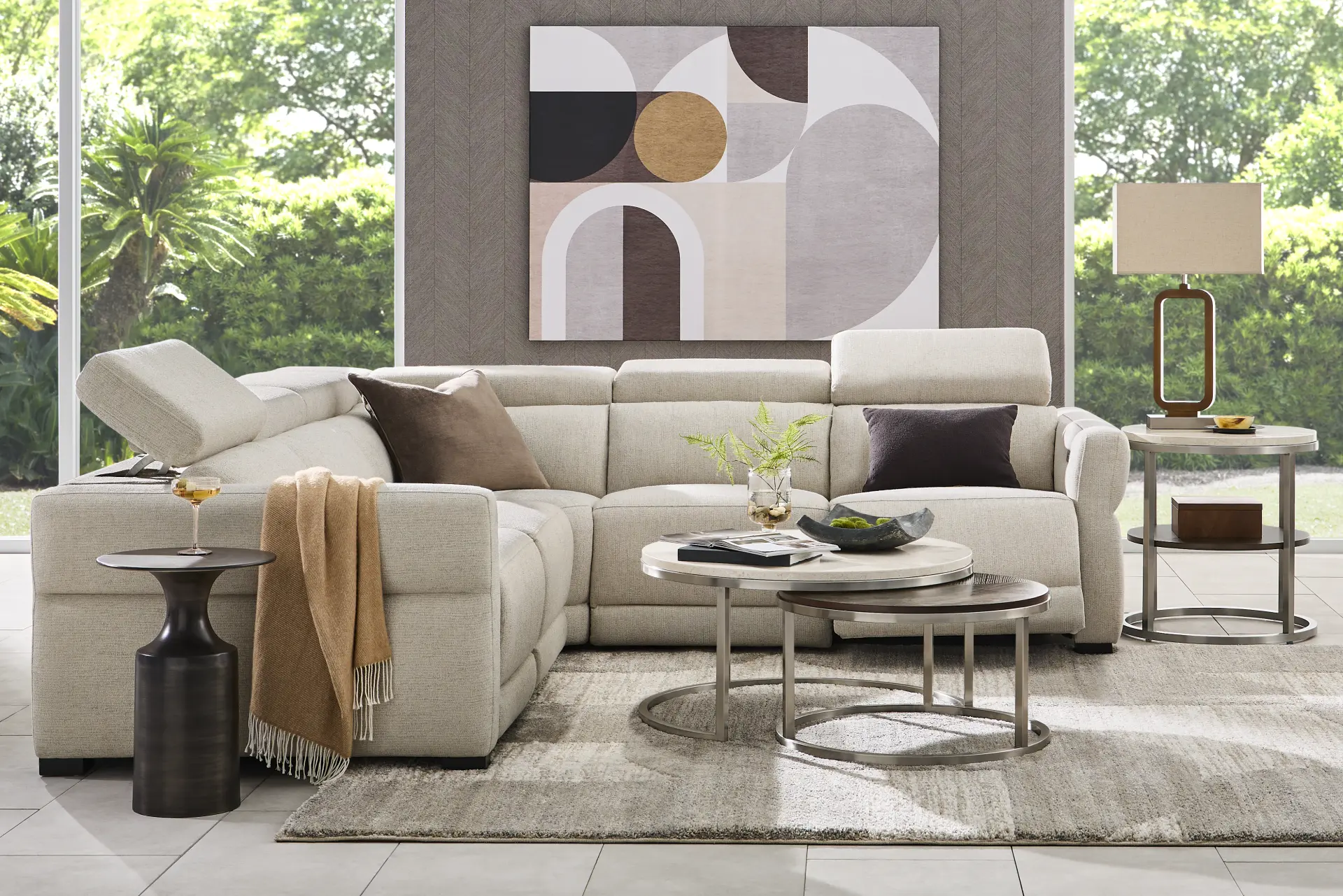
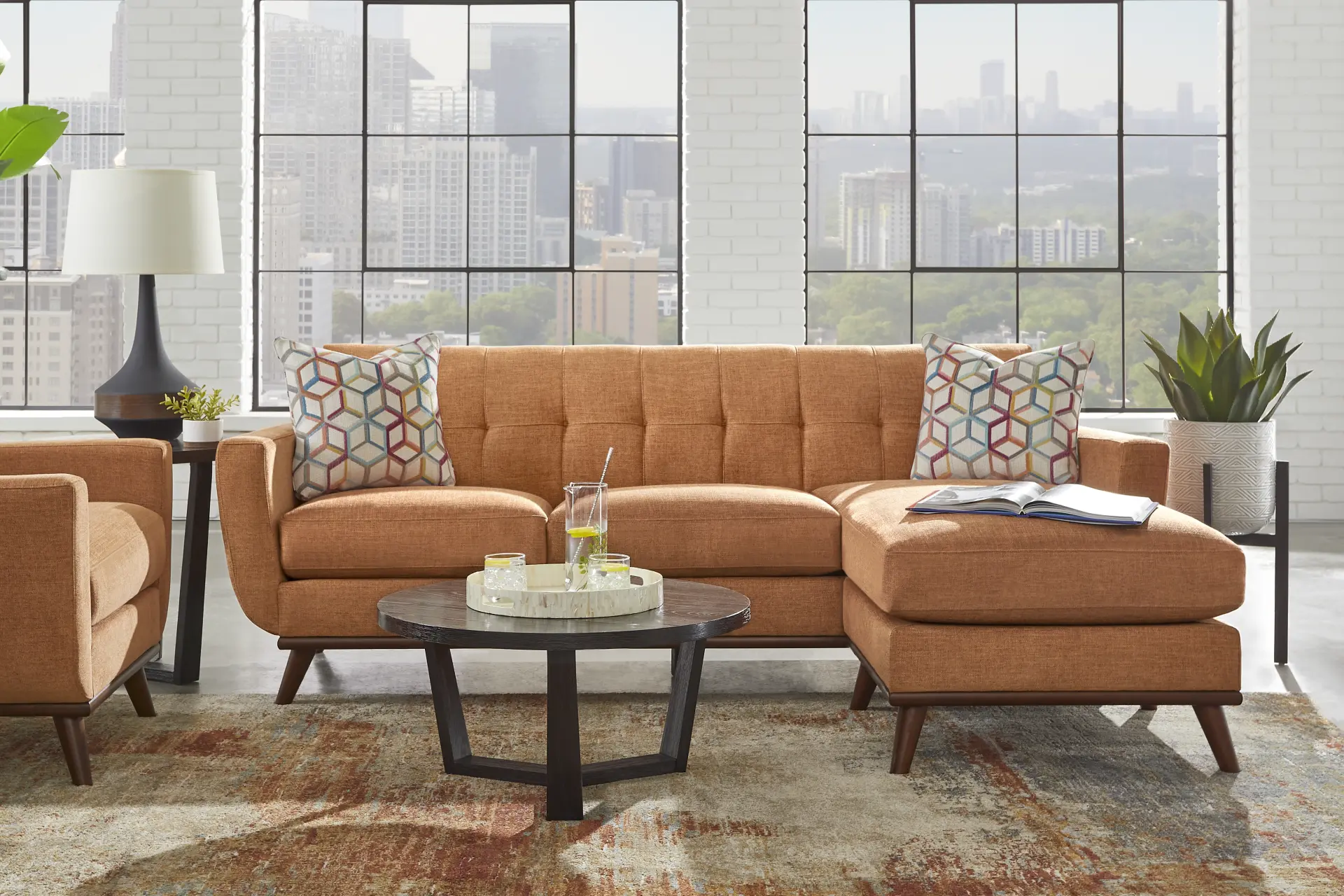
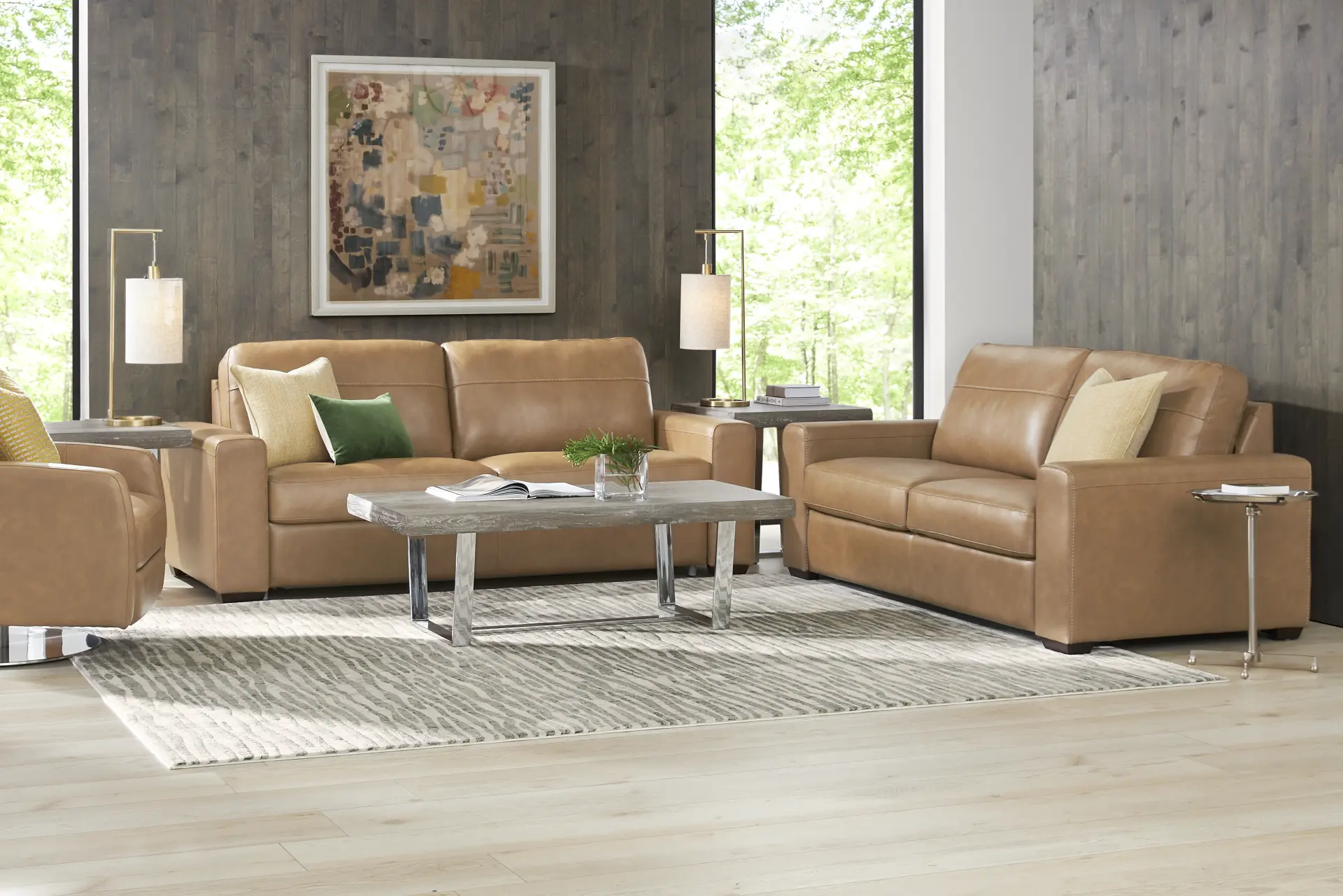
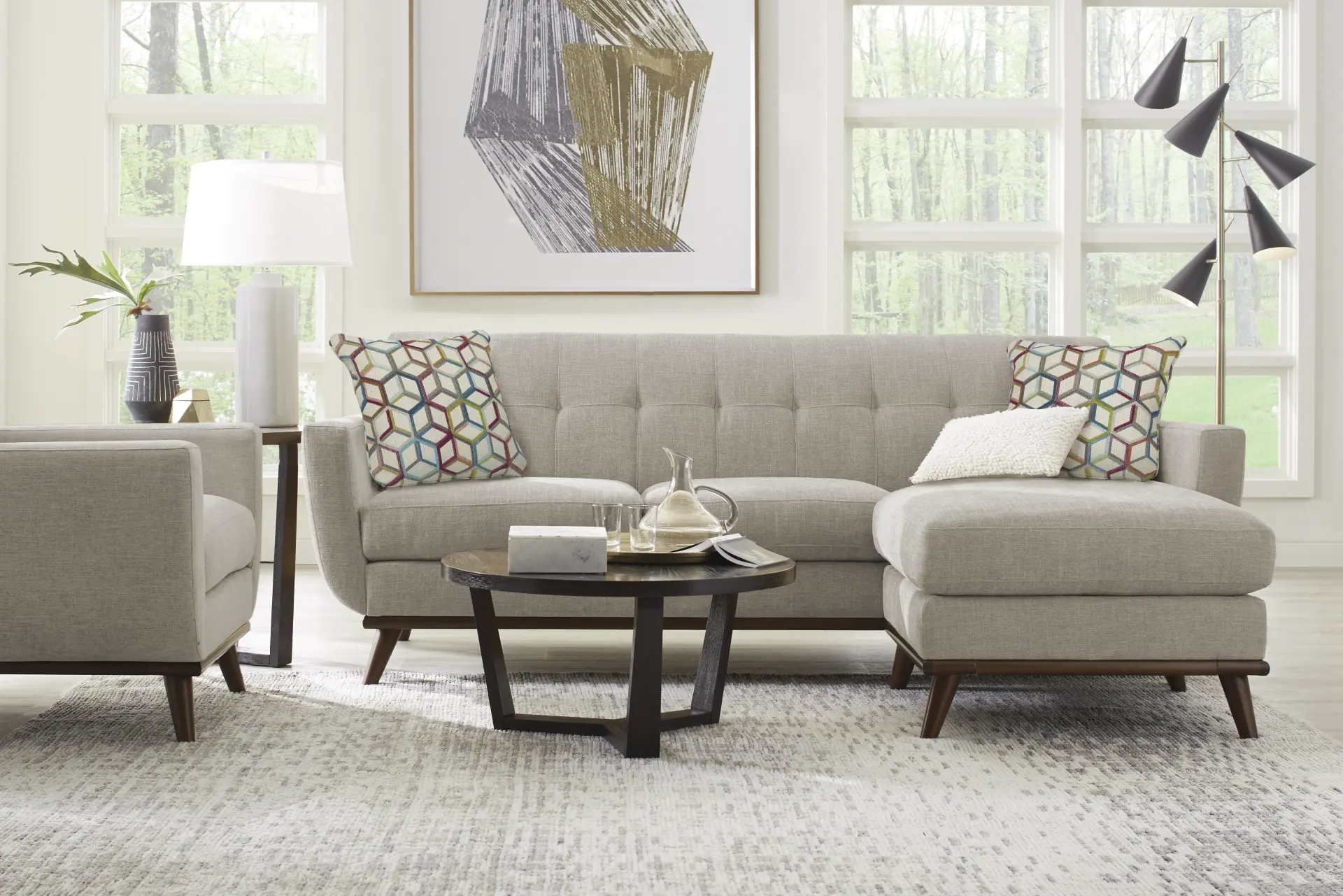
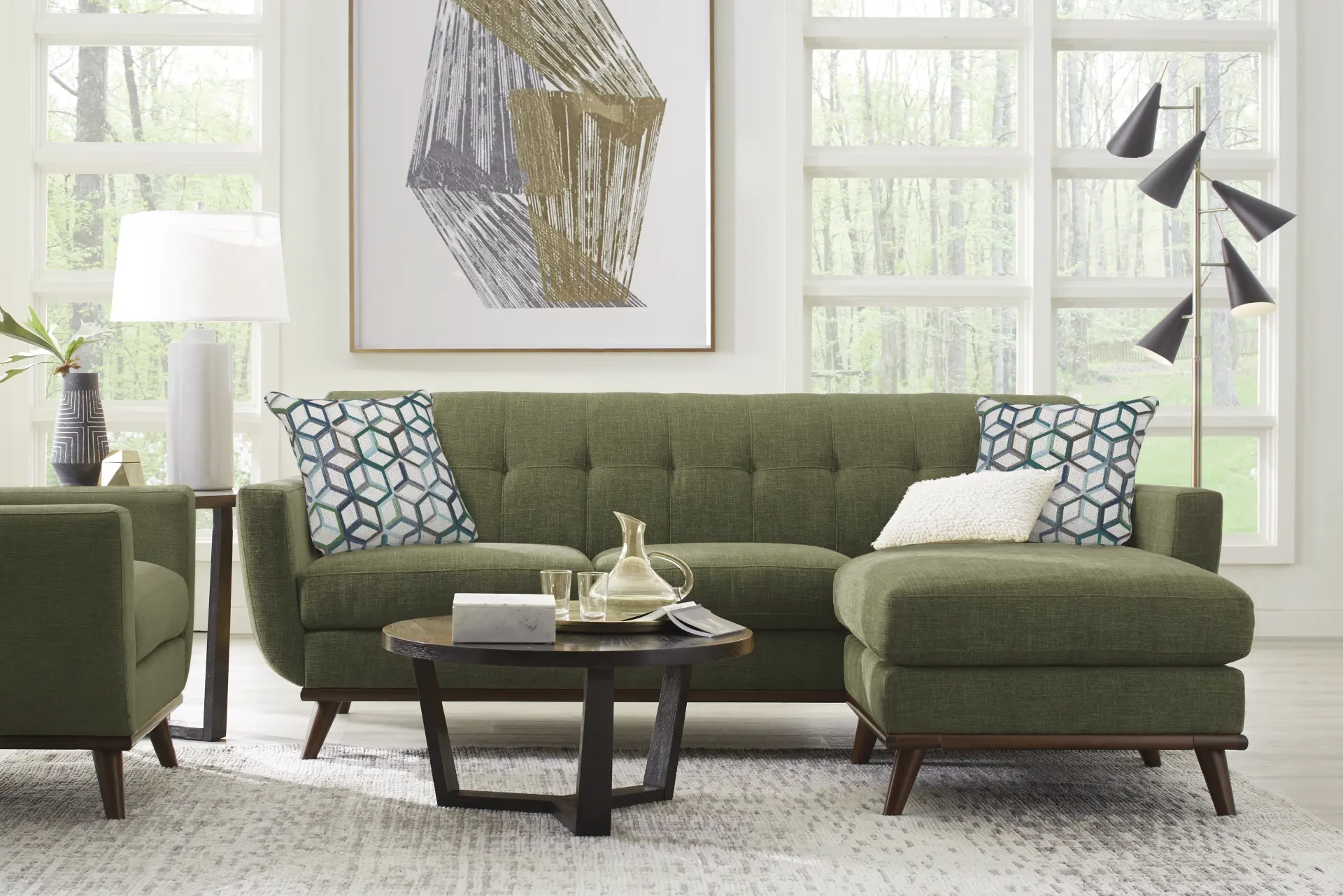
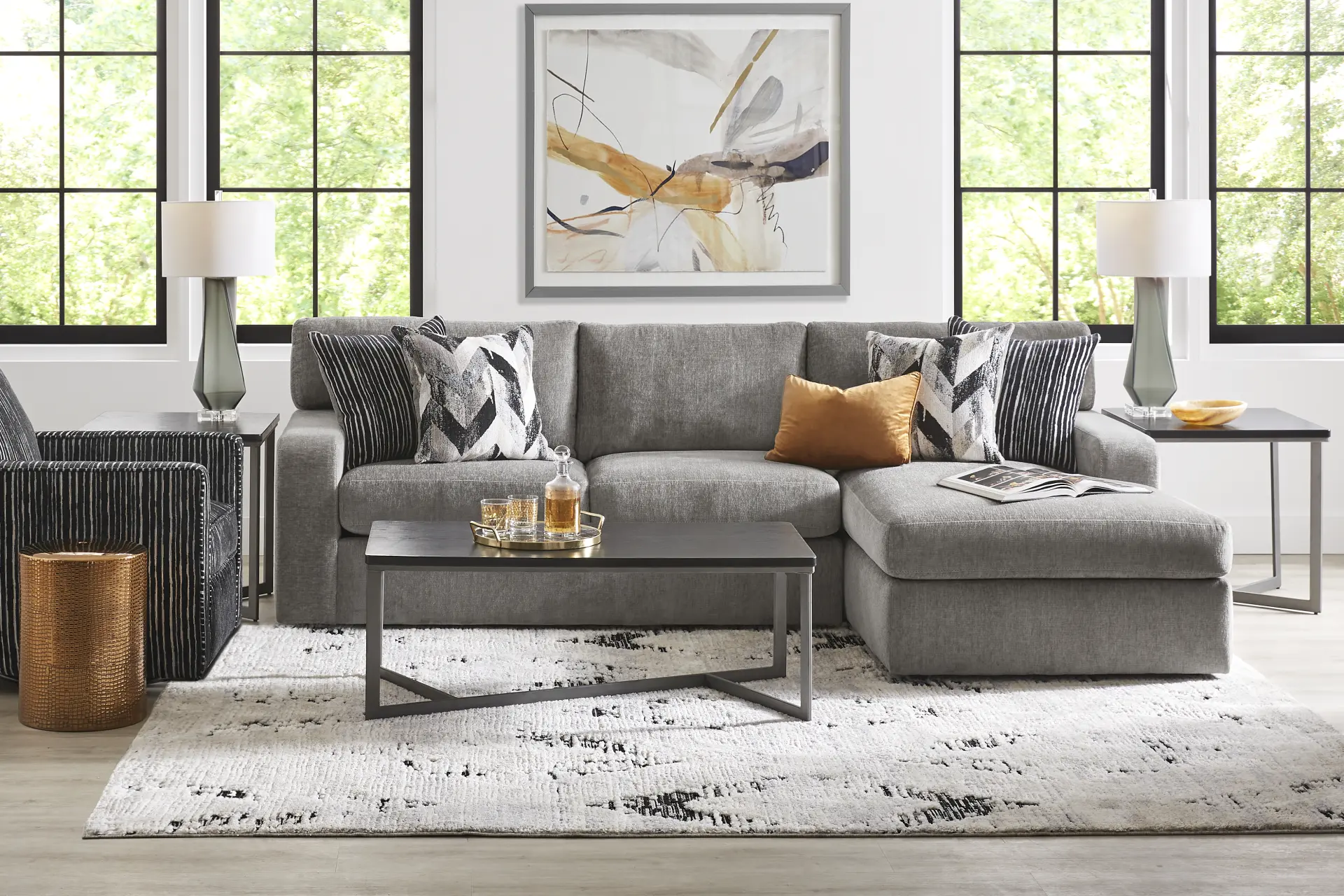
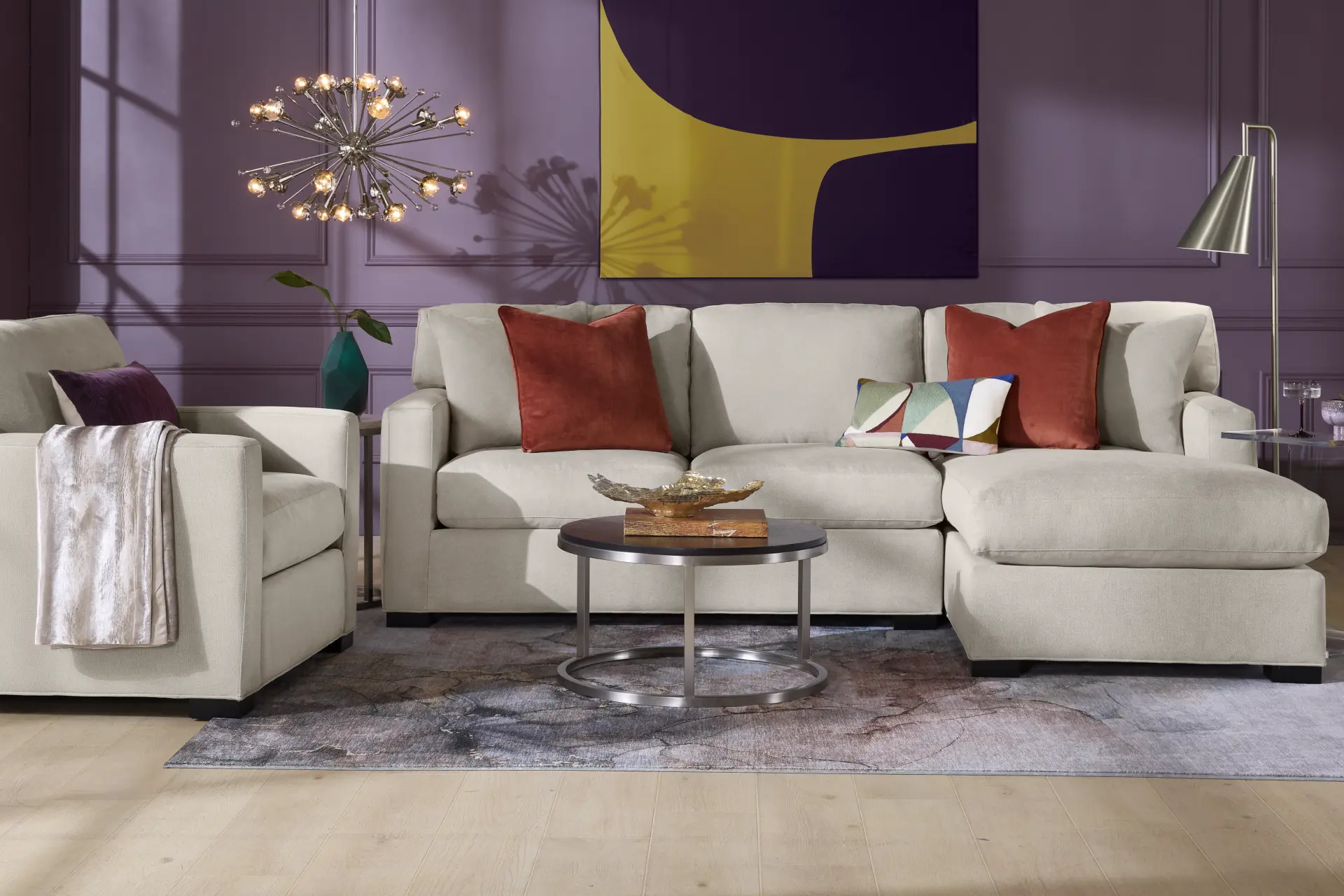
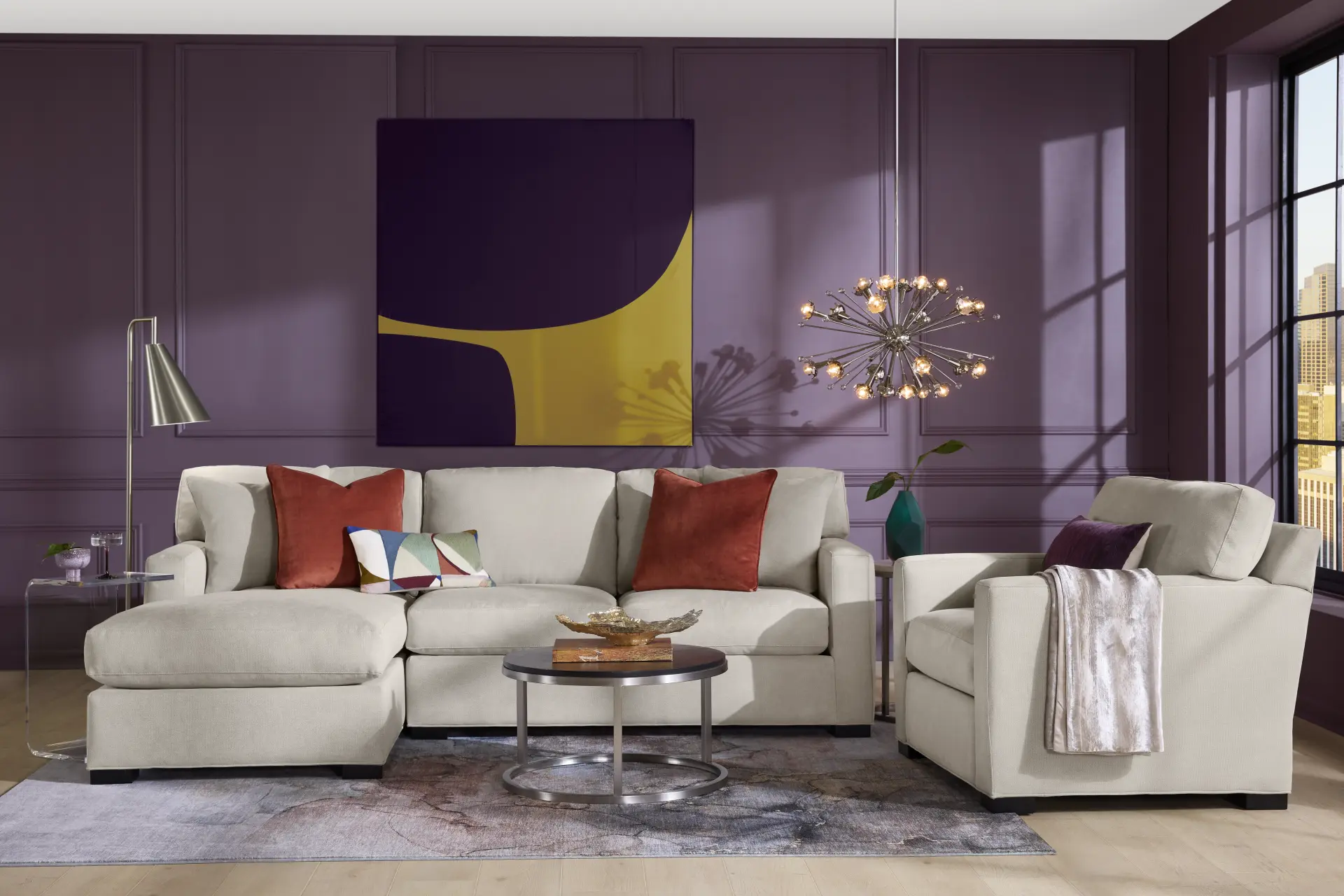
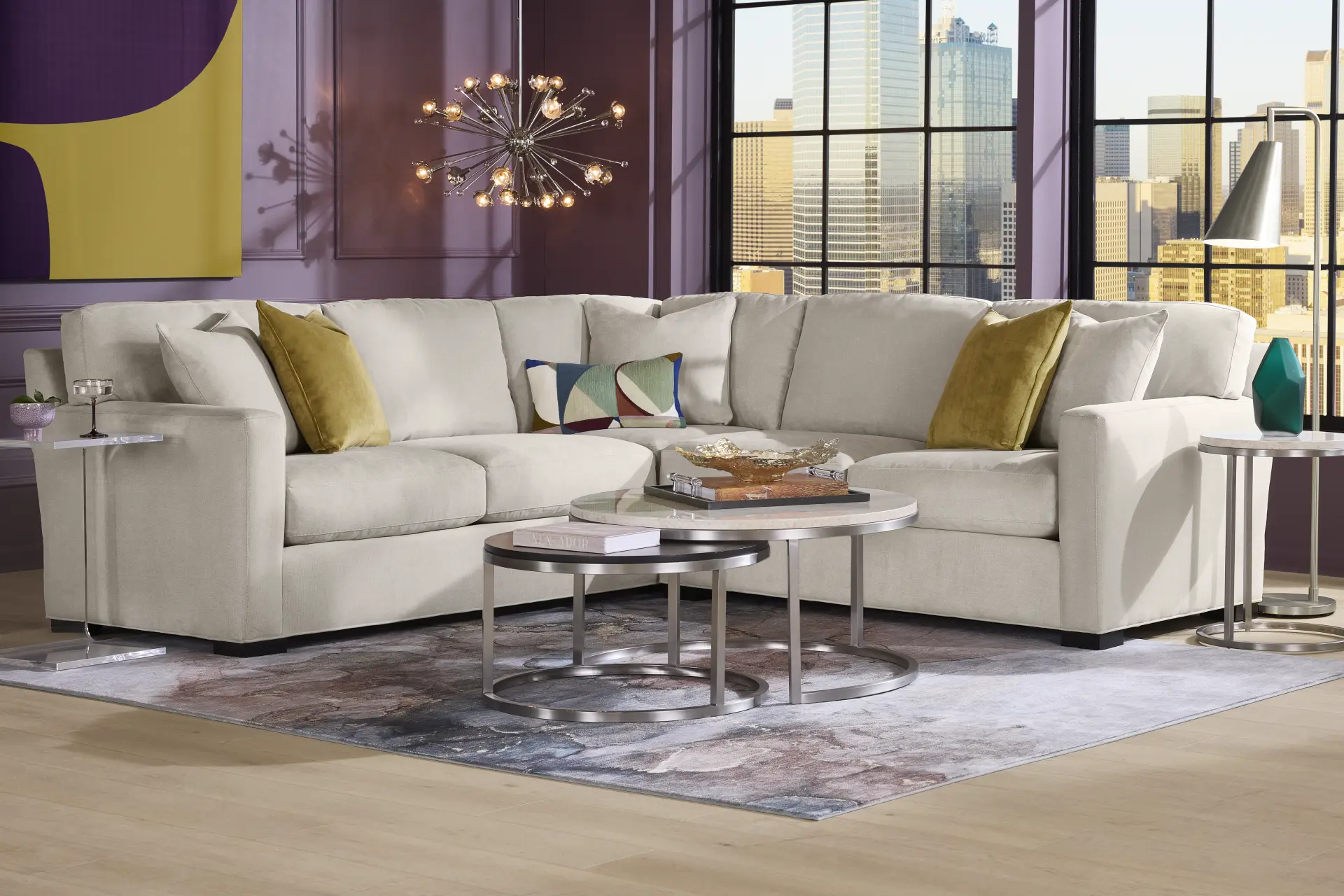
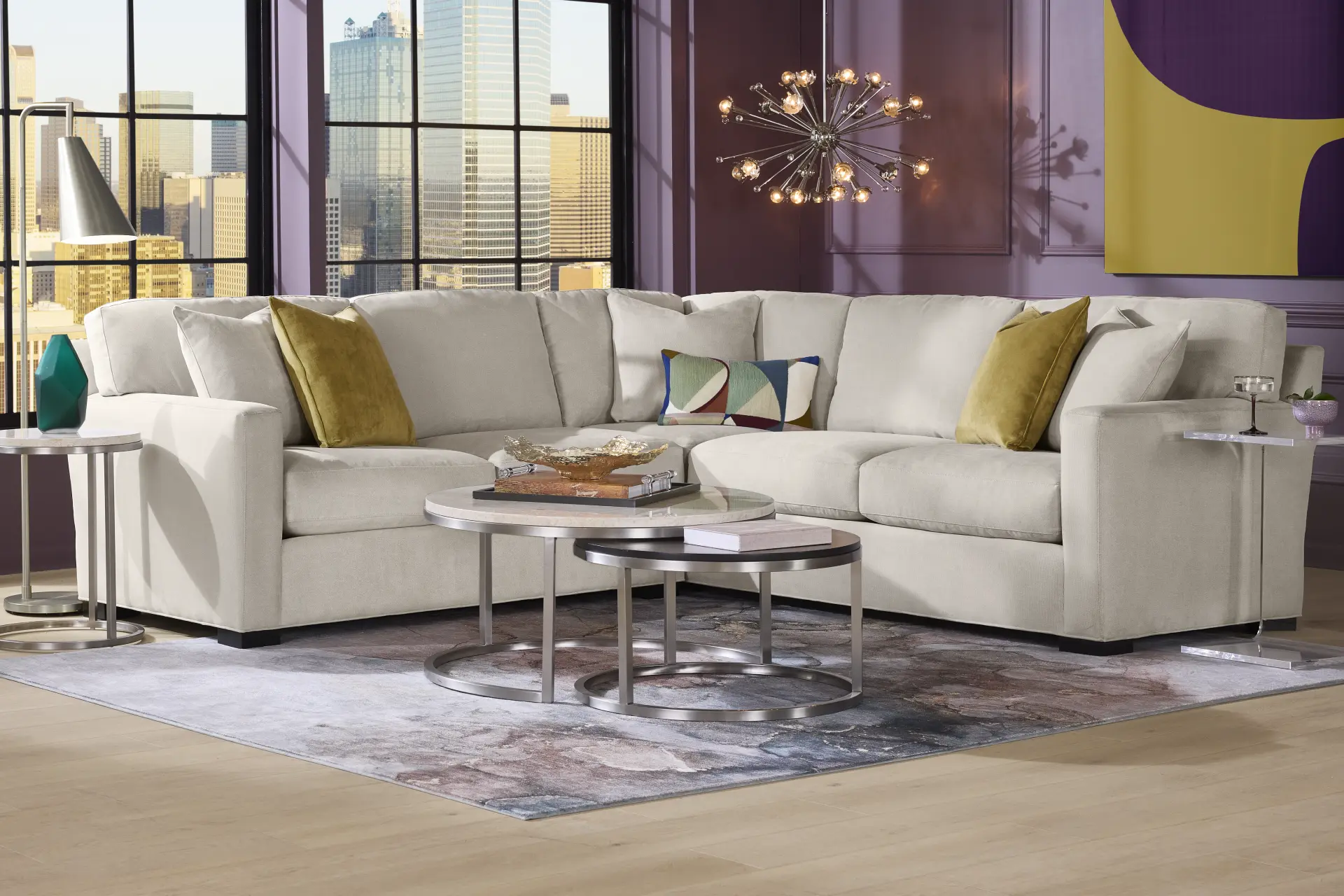
When choosing colors for small living room furniture, it’s essential to select hues that create a sense of openness and light, making the space feel larger and more inviting. Light colors, such as soft neutrals like white, beige, light gray, and cream, are particularly effective in small spaces. These colors reflect natural light, enhancing the brightness of the room and giving it a more expansive feel. For example, a light gray sofa paired with white walls and a beige rug can create a serene, airy atmosphere that doesn’t overwhelm the space. Additionally, light-colored furniture serves as a neutral backdrop, allowing you to introduce pops of color through accents like pillows, throws, and artwork without overcrowding the room.
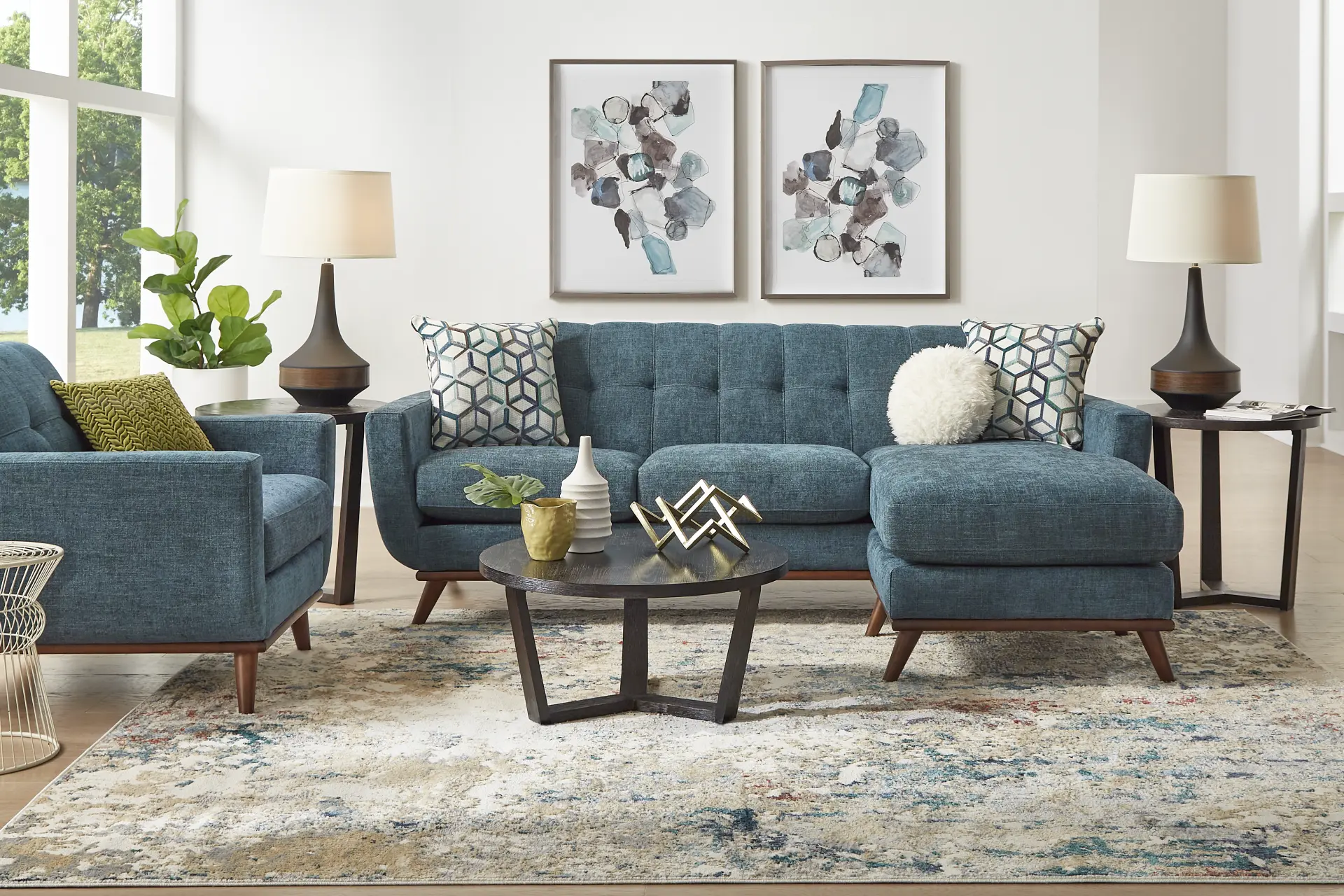
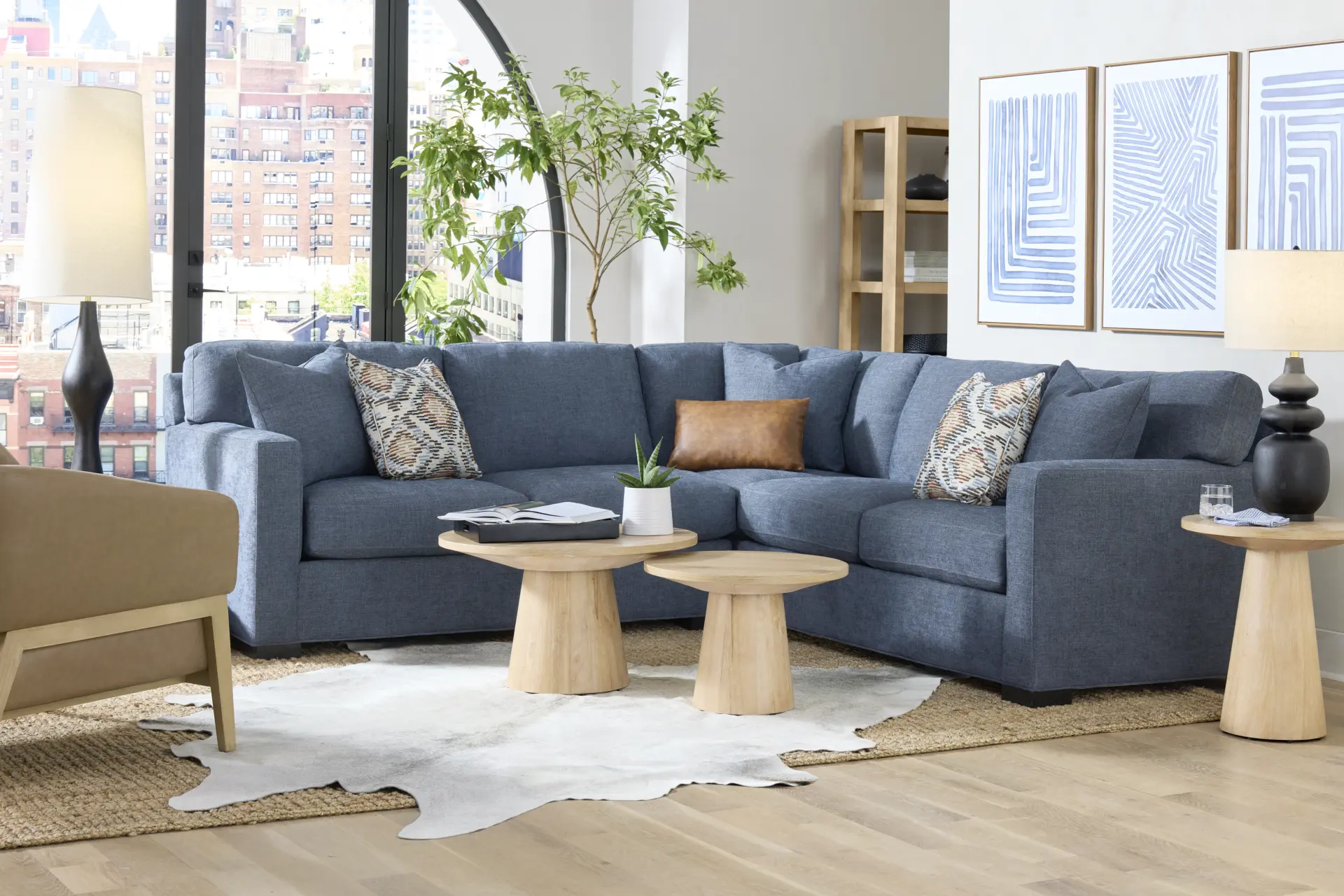
Pastel shades are another excellent choice for small living room furniture. Colors like pale blue, soft pink, or light mint green can add a touch of personality and warmth to the space while still maintaining a light and open feel. These colors bring a gentle vibrancy to the room without making it feel too busy or cluttered. For instance, a pastel blue loveseat can add a subtle yet refreshing splash of color, especially when paired with neutral or white walls. The key is to use these colors sparingly and in harmony with the overall design to maintain balance and prevent the space from feeling overwhelmed.
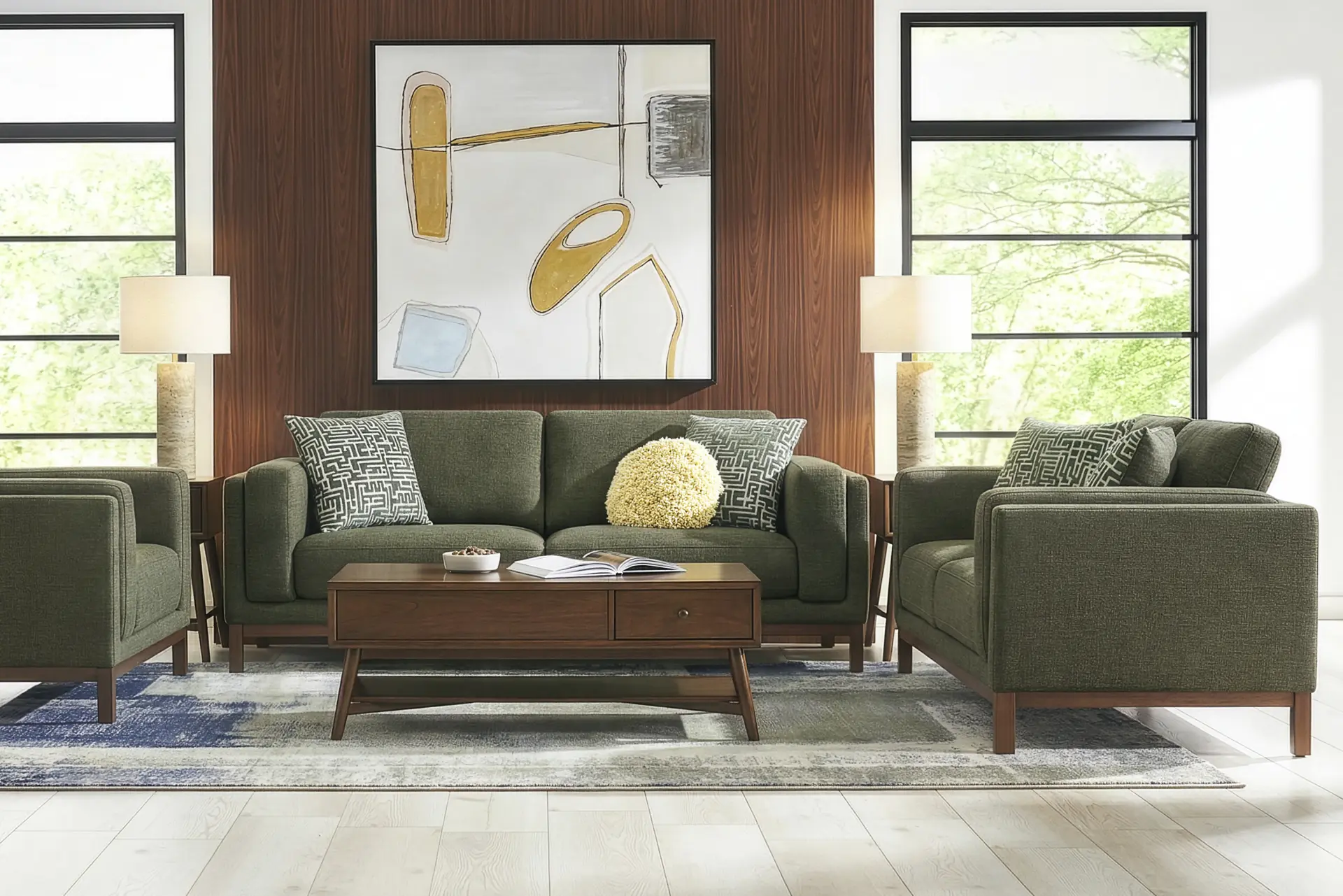
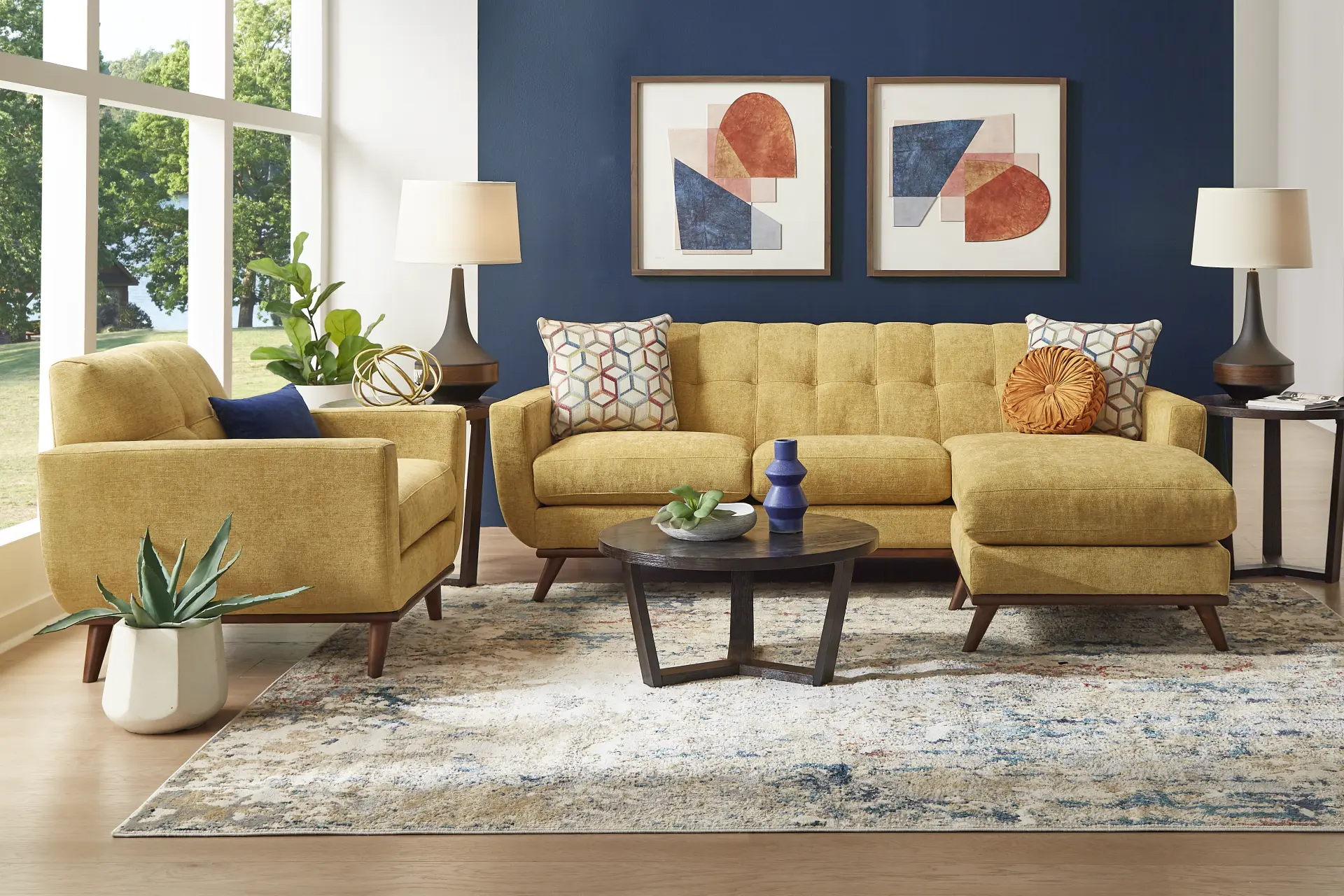
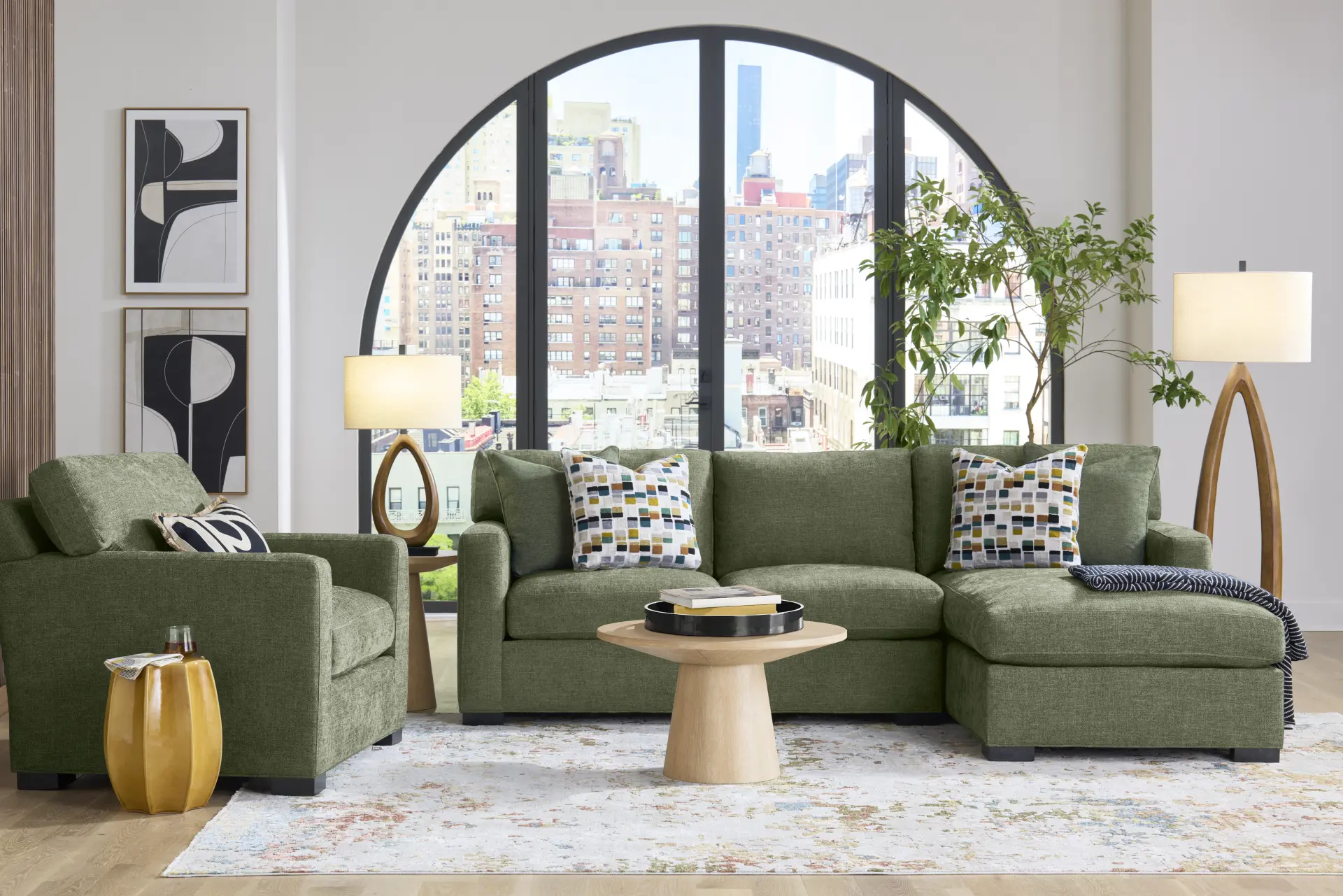
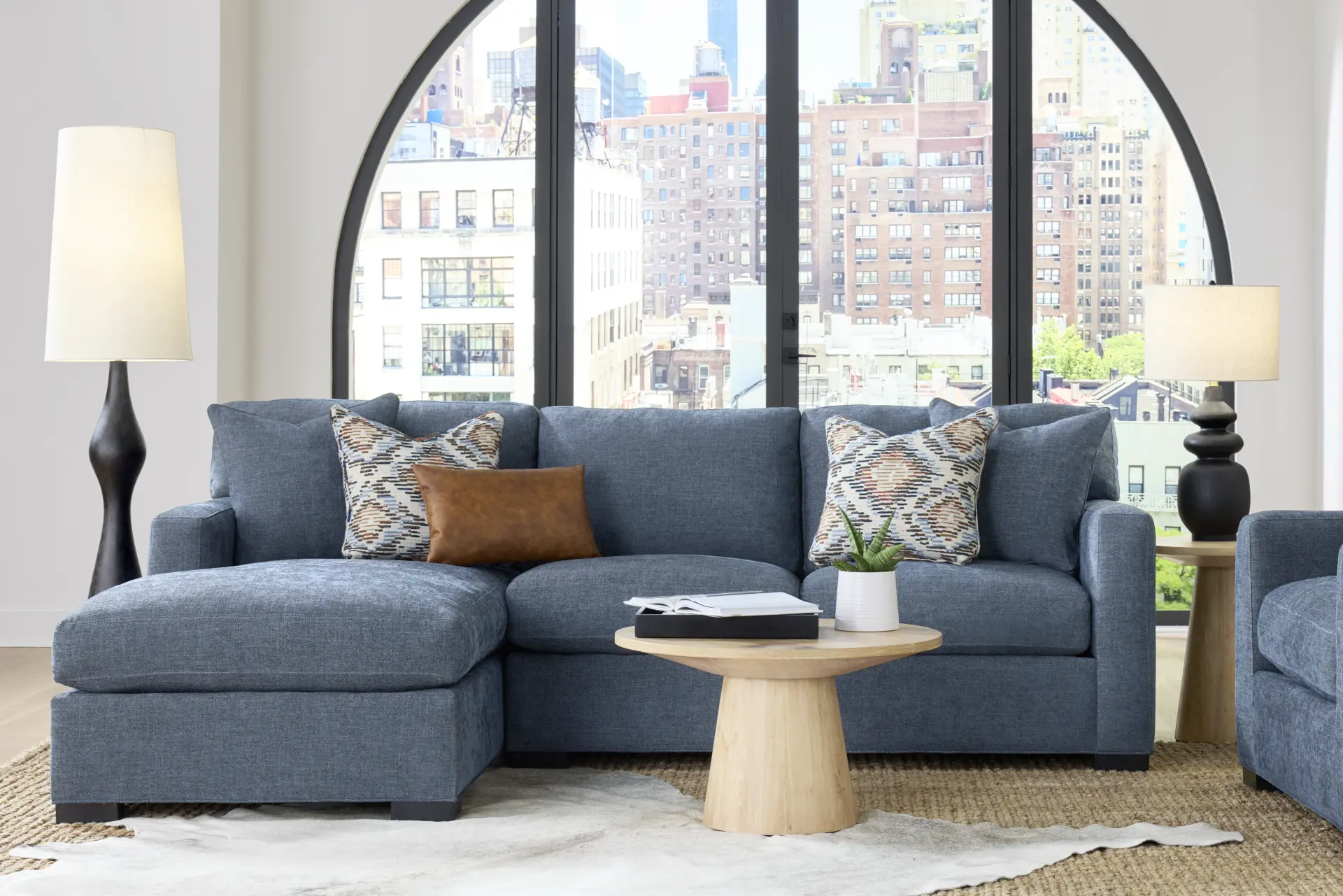
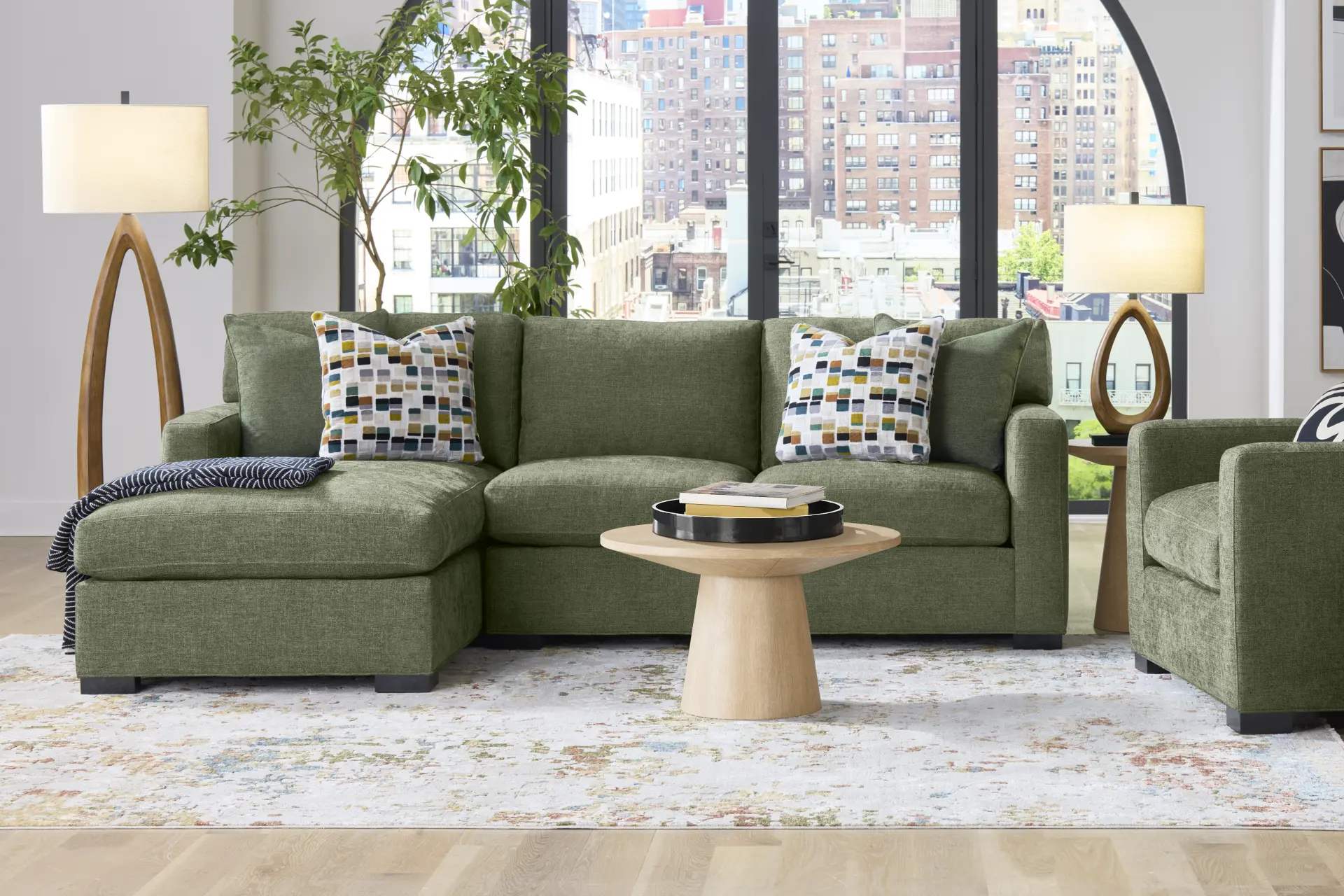
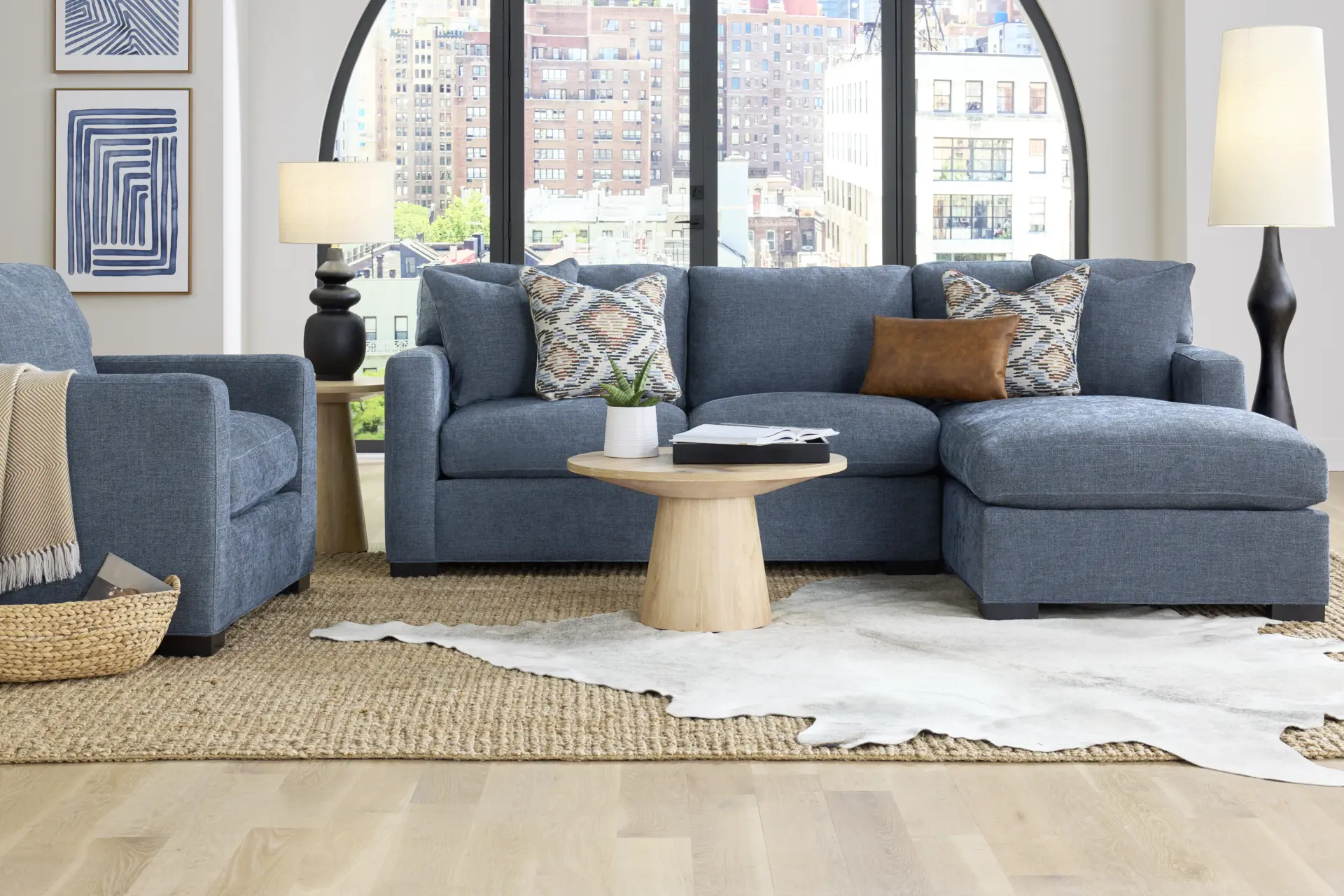
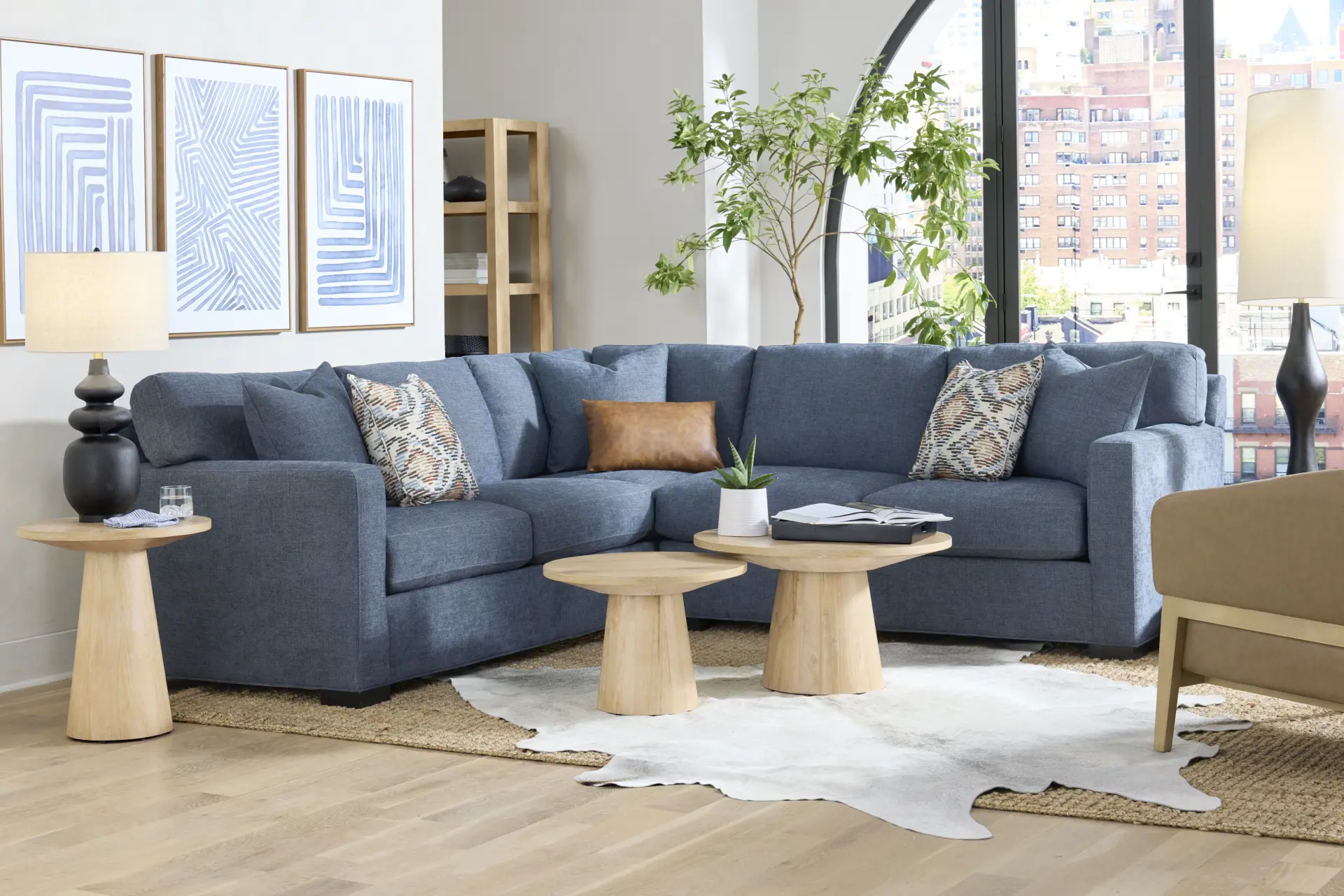
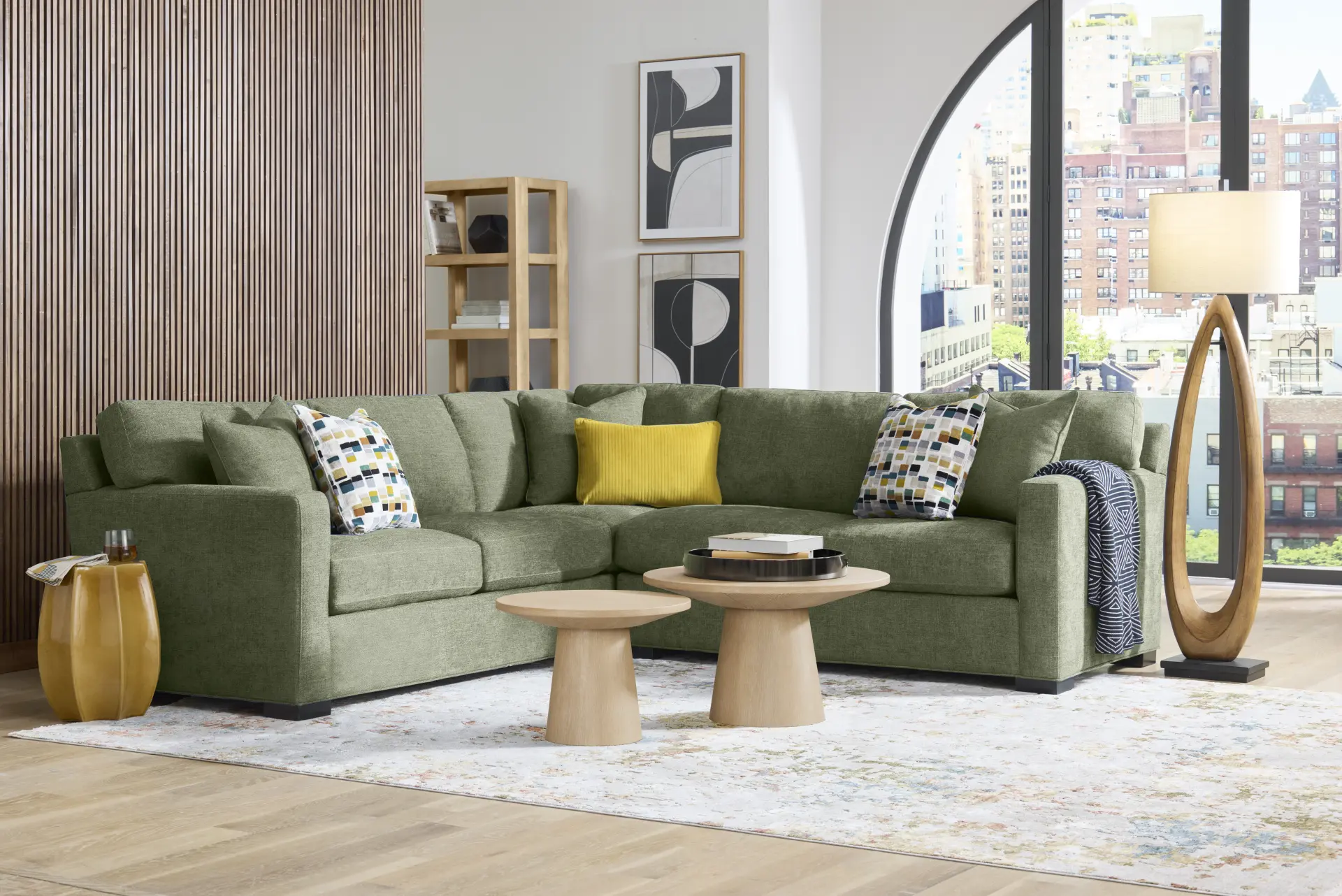
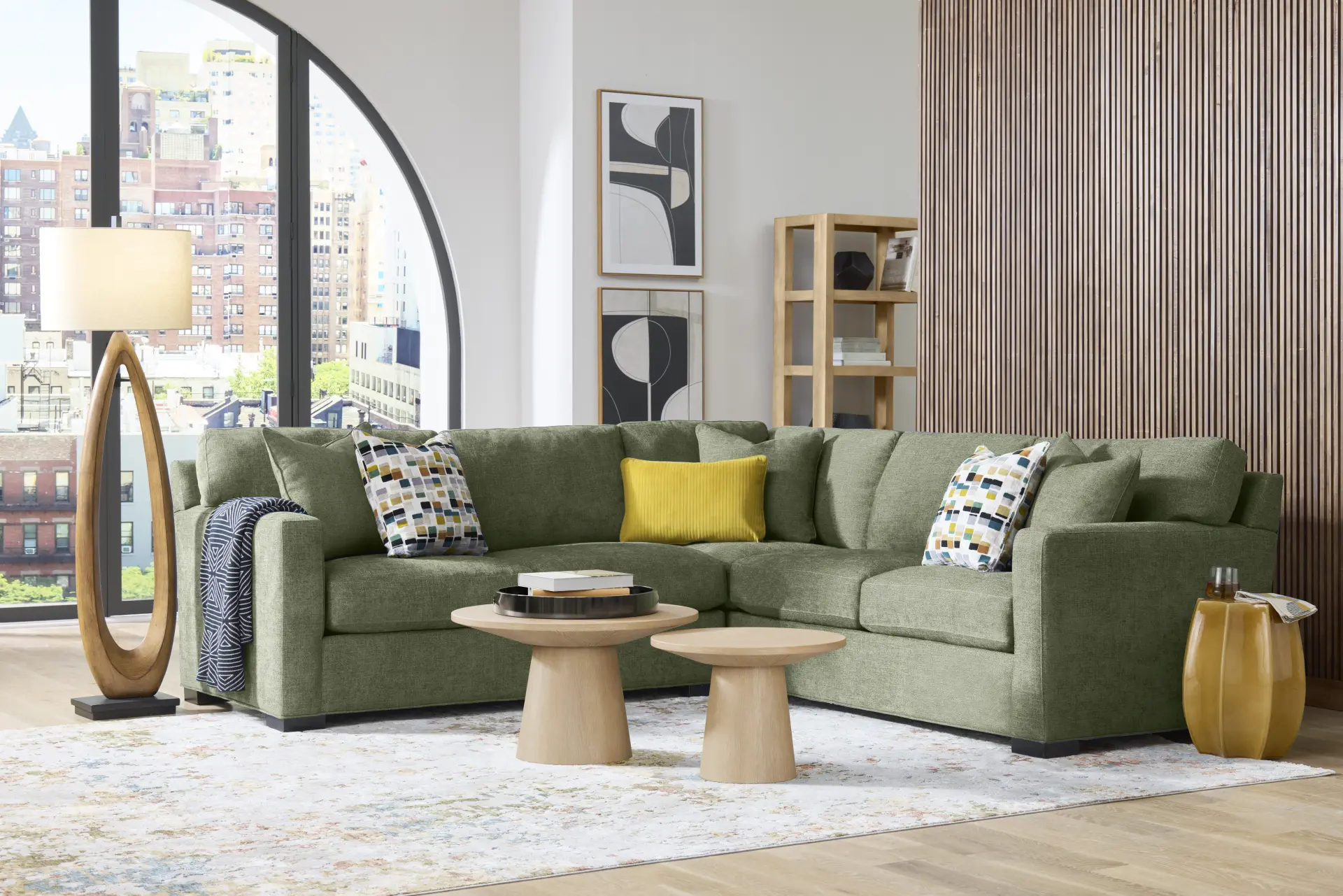
If you prefer darker tones, consider using them as accent pieces rather than the main furniture color. Darker colors like navy blue, charcoal gray, or deep green can add depth and sophistication to a small living room but are best used in moderation to avoid making the space feel enclosed. For example, a dark-colored accent chair or coffee table can add contrast and visual interest without dominating the room. By combining light and dark colors thoughtfully, you can create a balanced and visually appealing small living room that feels both cozy and spacious.