- HomeHome
- InspirationInspiration
- Rooms To Go BlogRooms To Go Blog
- How to Choose Wall Art That Elevates Your Space

Tips to choose wall art that fits your style and space.
Wall art is more than just decoration - it's the final layer that pulls a room together and brings personality into your space. Whether you're drawn to oversized canvases, intricate gallery walls, or minimalist photography, the right piece of art can elevate your furniture and create a well-styled, intentional look. But knowing how to choose wall art that fits your style, scale, and space can take some thought.
From pairing artwork with your living room sofa to styling it above a headboard or coordinating it with your dining table, here's a guide to help you make smart, stylish choices that stand the test of time.

Before you get into colors and frames, ask yourself how you want the room to feel. Your wall art can either reinforce the existing mood or shift it entirely.
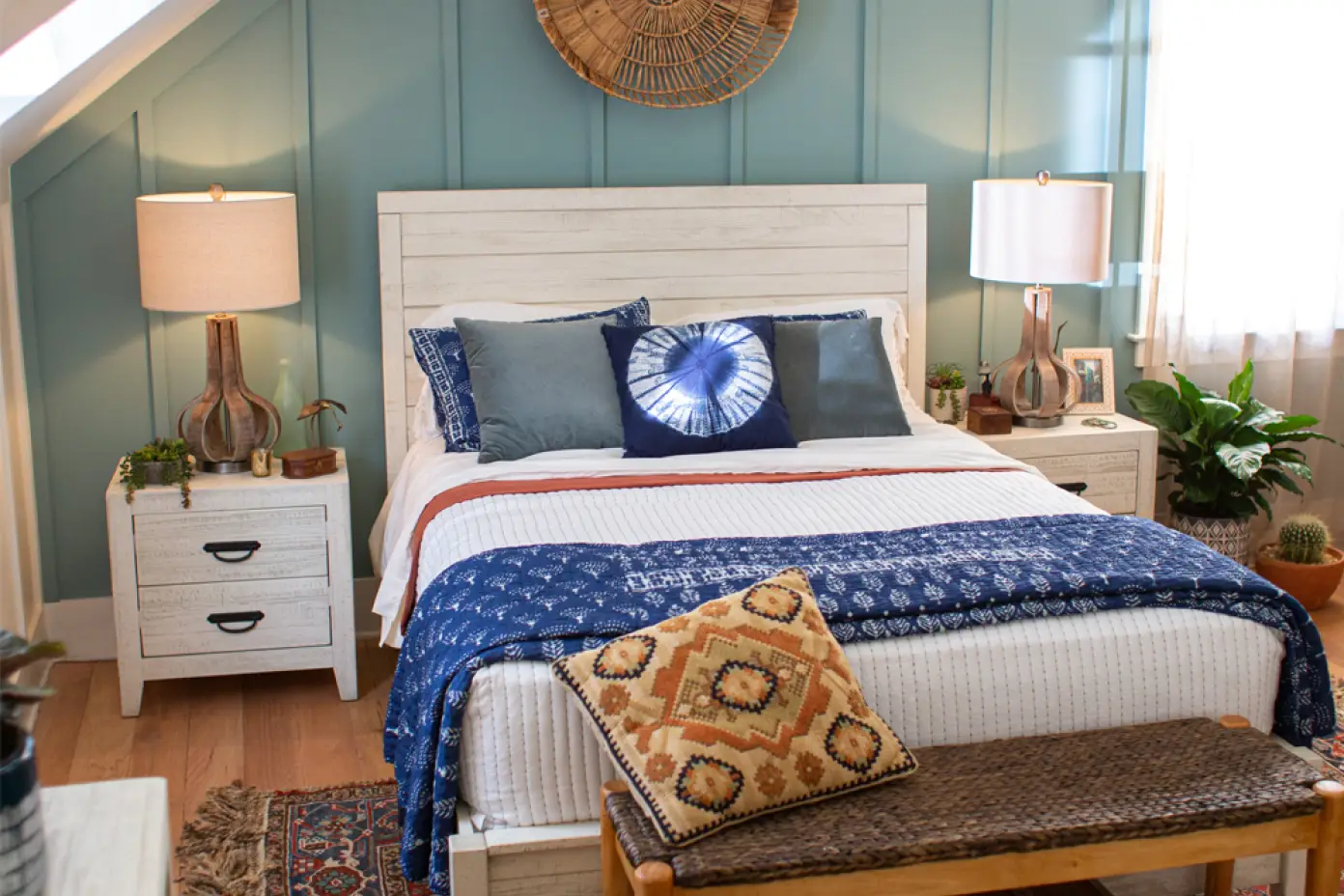
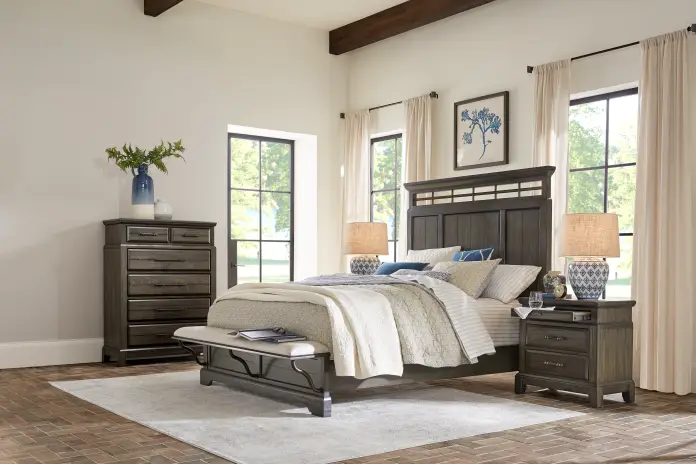
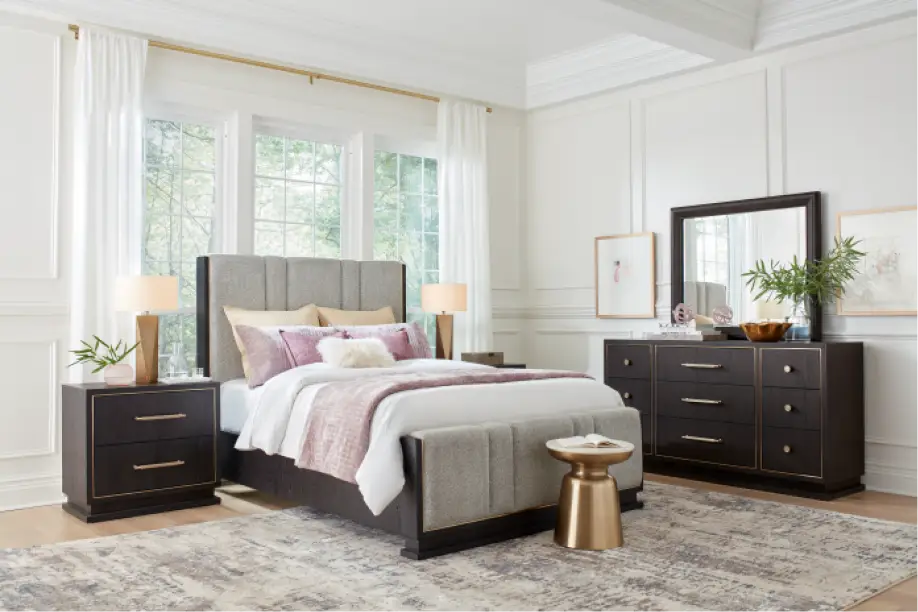
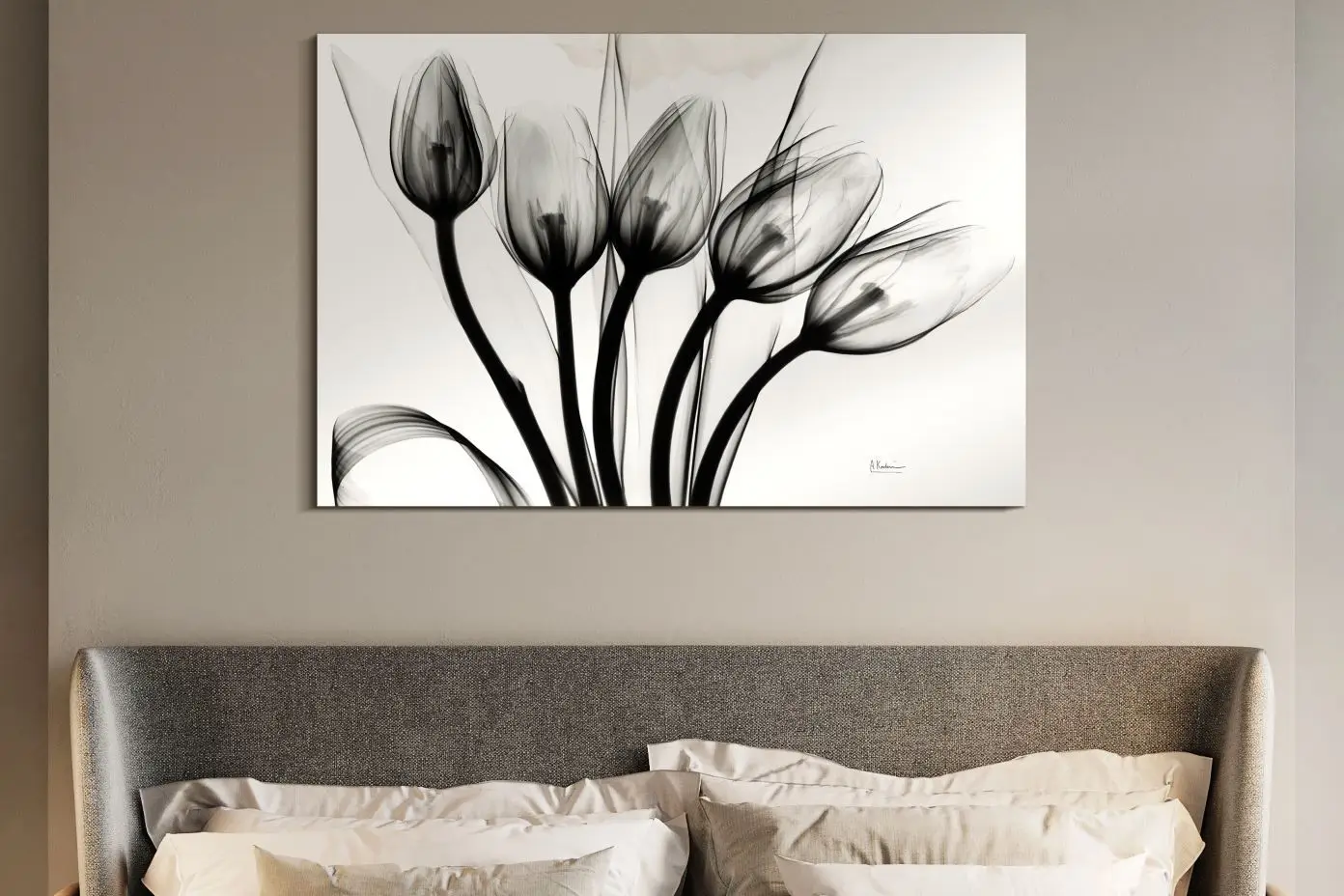
If your bedroom furniture is soft and neutral, consider abstract prints or landscapes in soothing tones to add to the sense of calm. For a living room with bold shapes and rich textures, you might look for modern art or graphic photography to keep the energy dynamic.
Art doesn't have to match your furniture exactly - in fact, a little contrast can create visual interest but it should speak the same design language in terms of tone and balance.

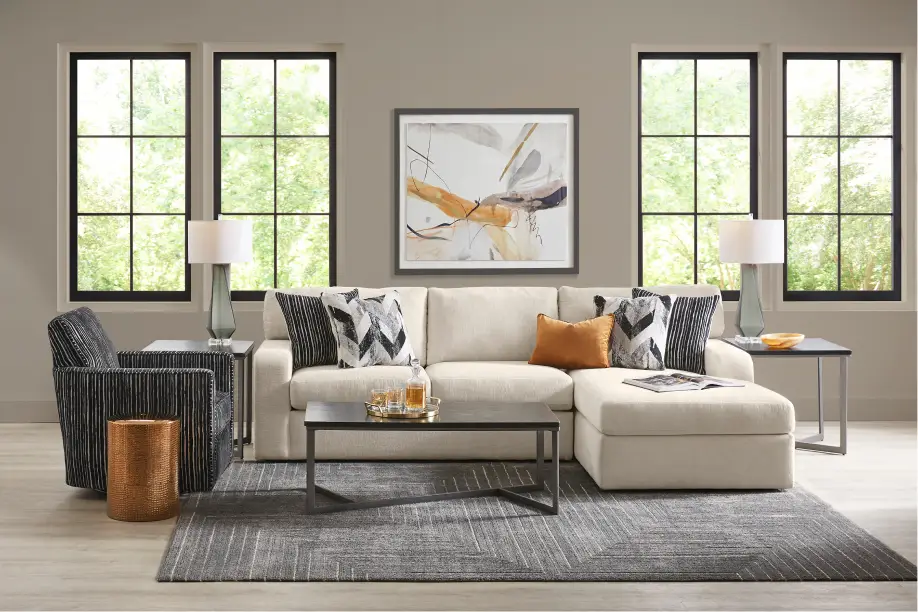
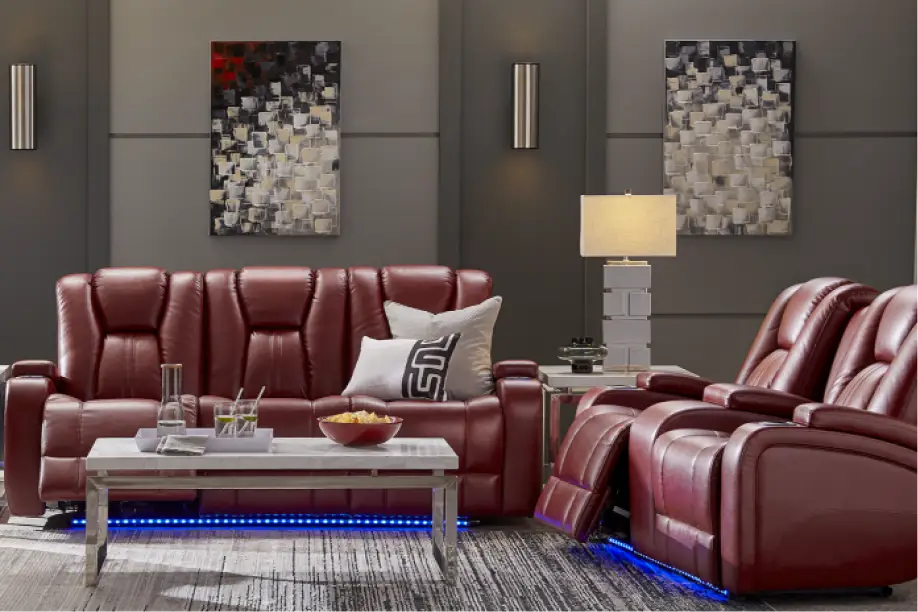
When deciding how to choose wall art for a living room, start by identifying your focal furniture pieces. The sofa is often the natural anchor, and the wall above it is prime real estate for art.
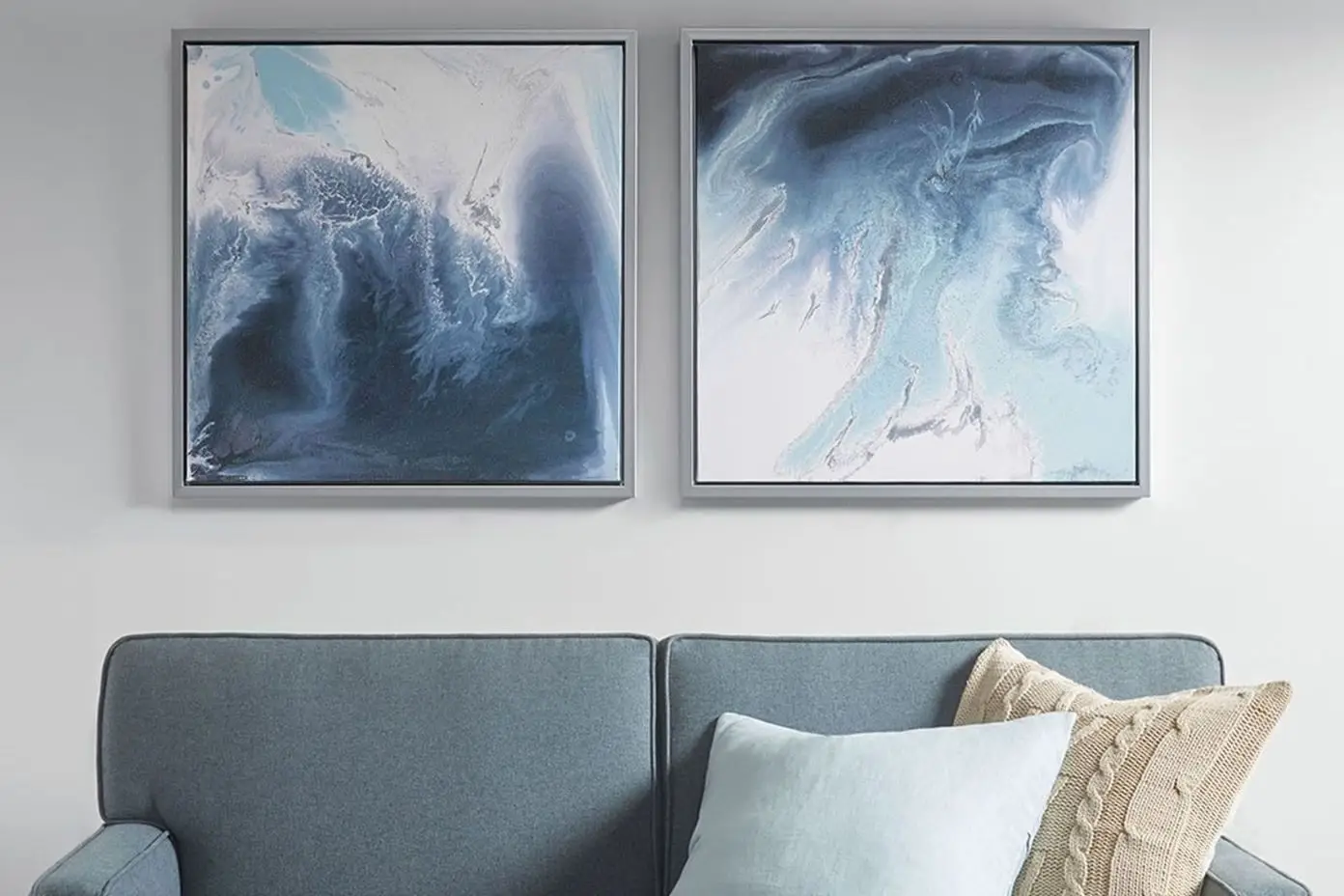
A single oversized piece or a series of two to three medium-sized artworks can work beautifully here. Aim for artwork that spans about two-thirds the width of your sofa for a balanced look. If your coffee table or end table has bold materials like marble or brass, look for art that either complements or plays against that texture - for example, soft watercolor paintings paired with a sleek marble table can create a beautiful contrast.
If your seating area includes accent chairs, rugs, or a bookcase, consider how the artwork adds rhythm to the space. Repeating a color from your accent chair in the artwork, or introducing a new texture that echoes your rug, can make the whole room feel cohesive and layered.

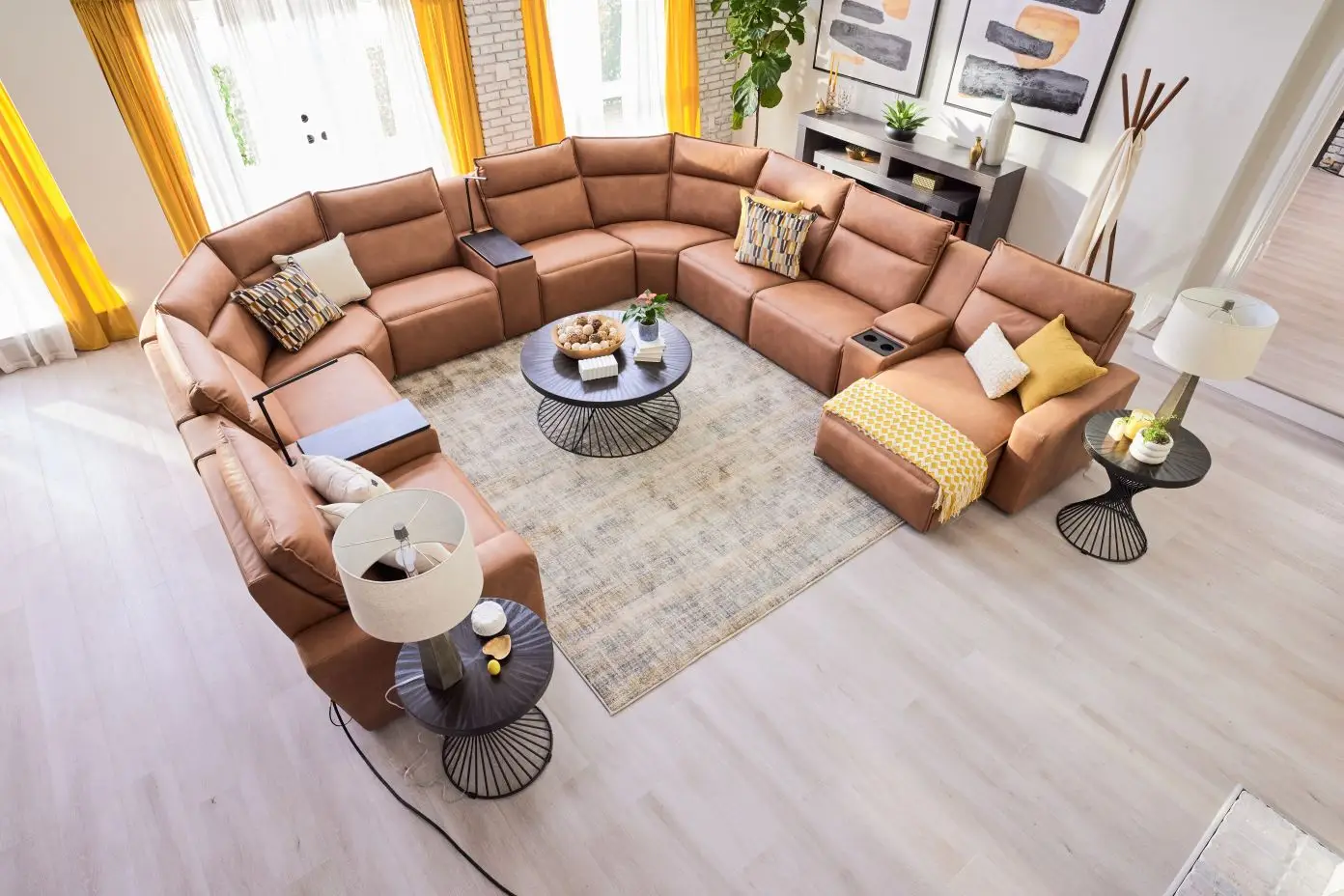
When you're figuring out how to choose art for a large wall, think in terms of proportion and visual impact. A small piece will get lost, so you'll want to scale up - especially if your room features large-scale furniture like an expansive sectional sofa, a media console, or a long dining table.
Here are three ideas that work well:
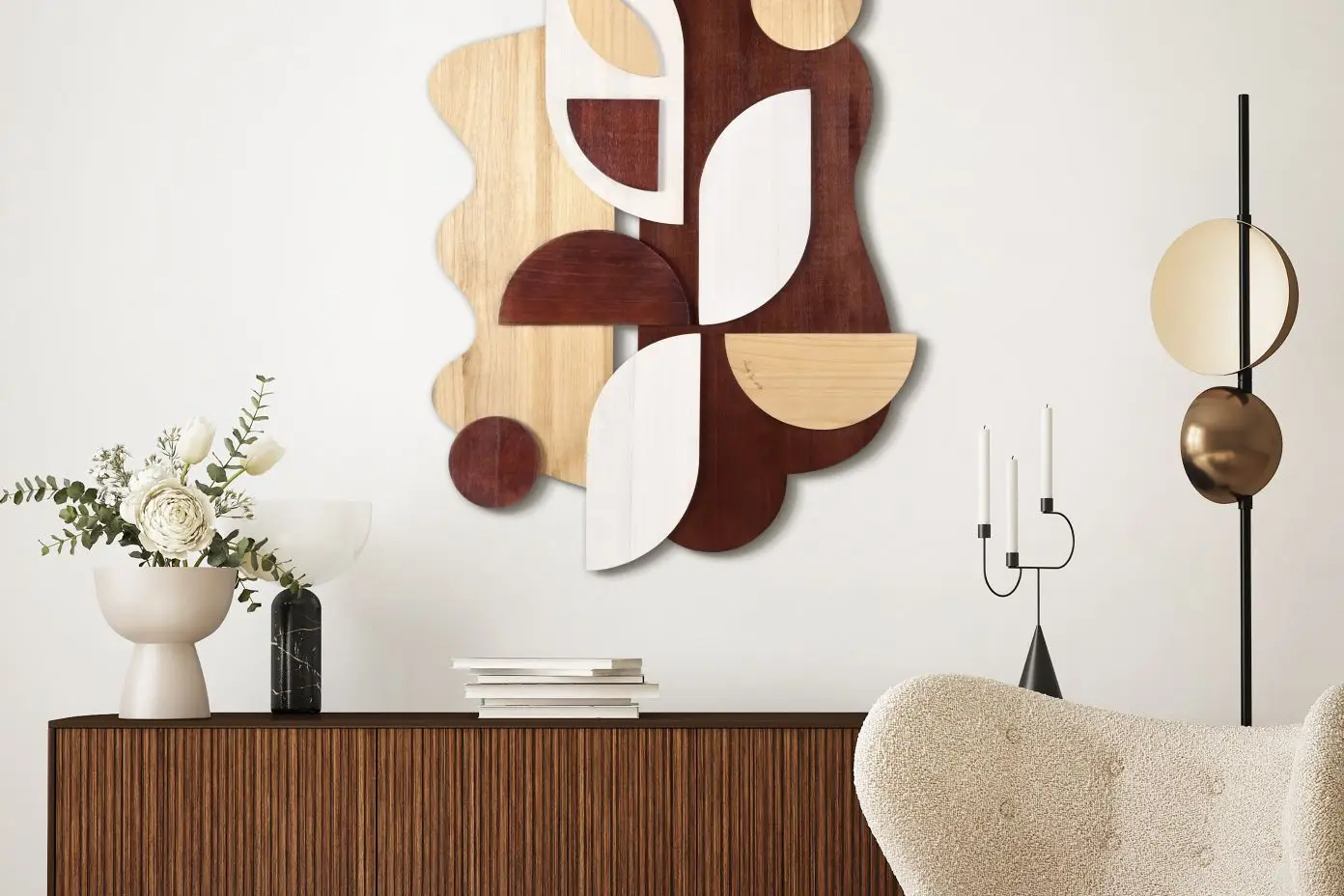
Oversized Statement Art: One large piece above a low-slung console or buffet can anchor a room and draw the eye upward. This works particularly well in rooms with high ceilings or minimal furniture.
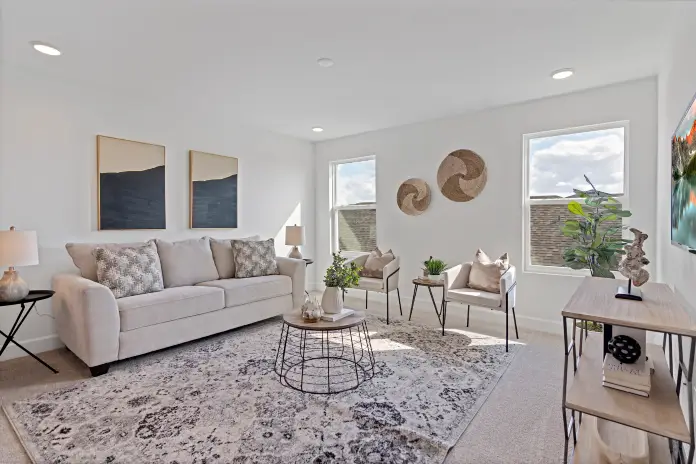
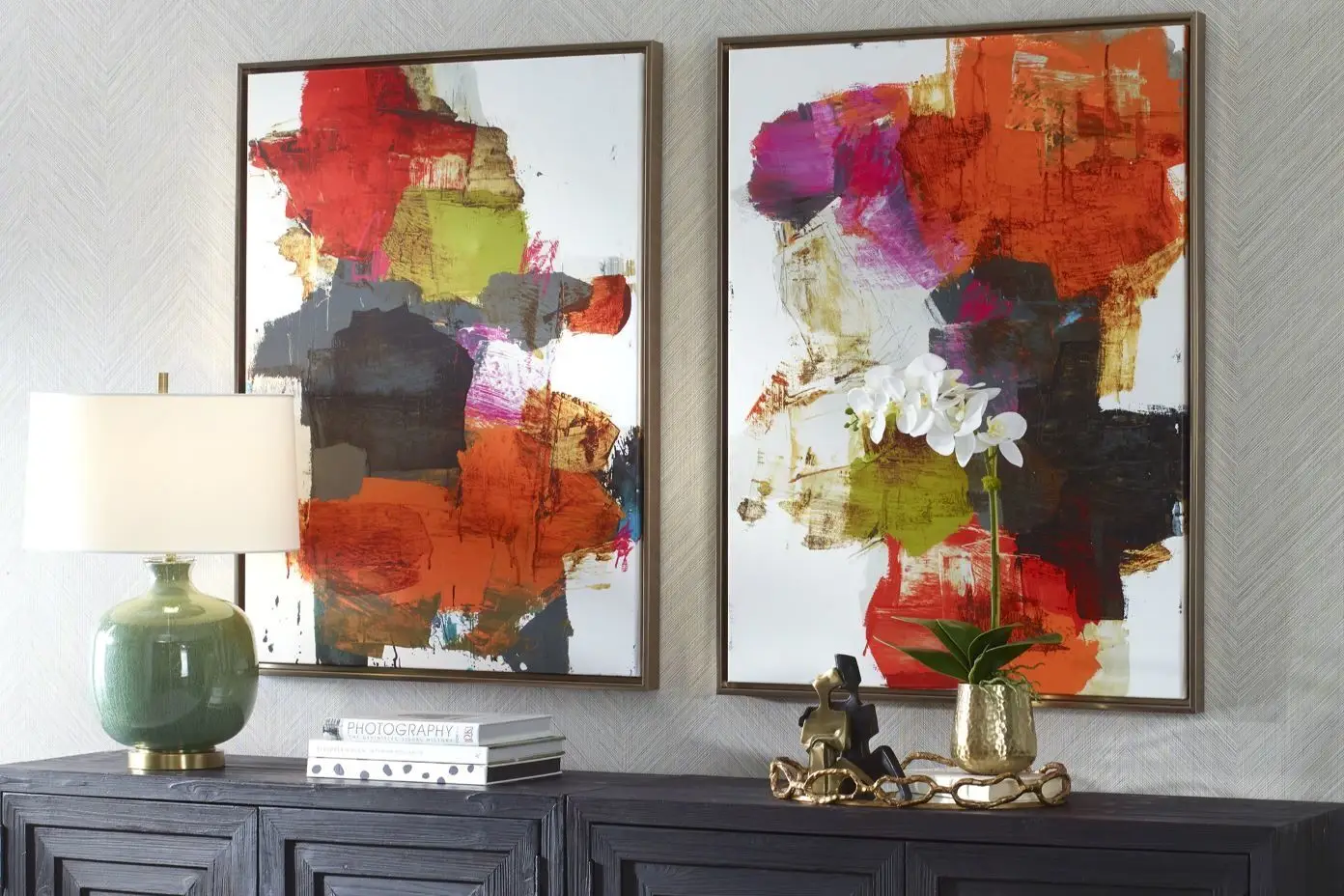
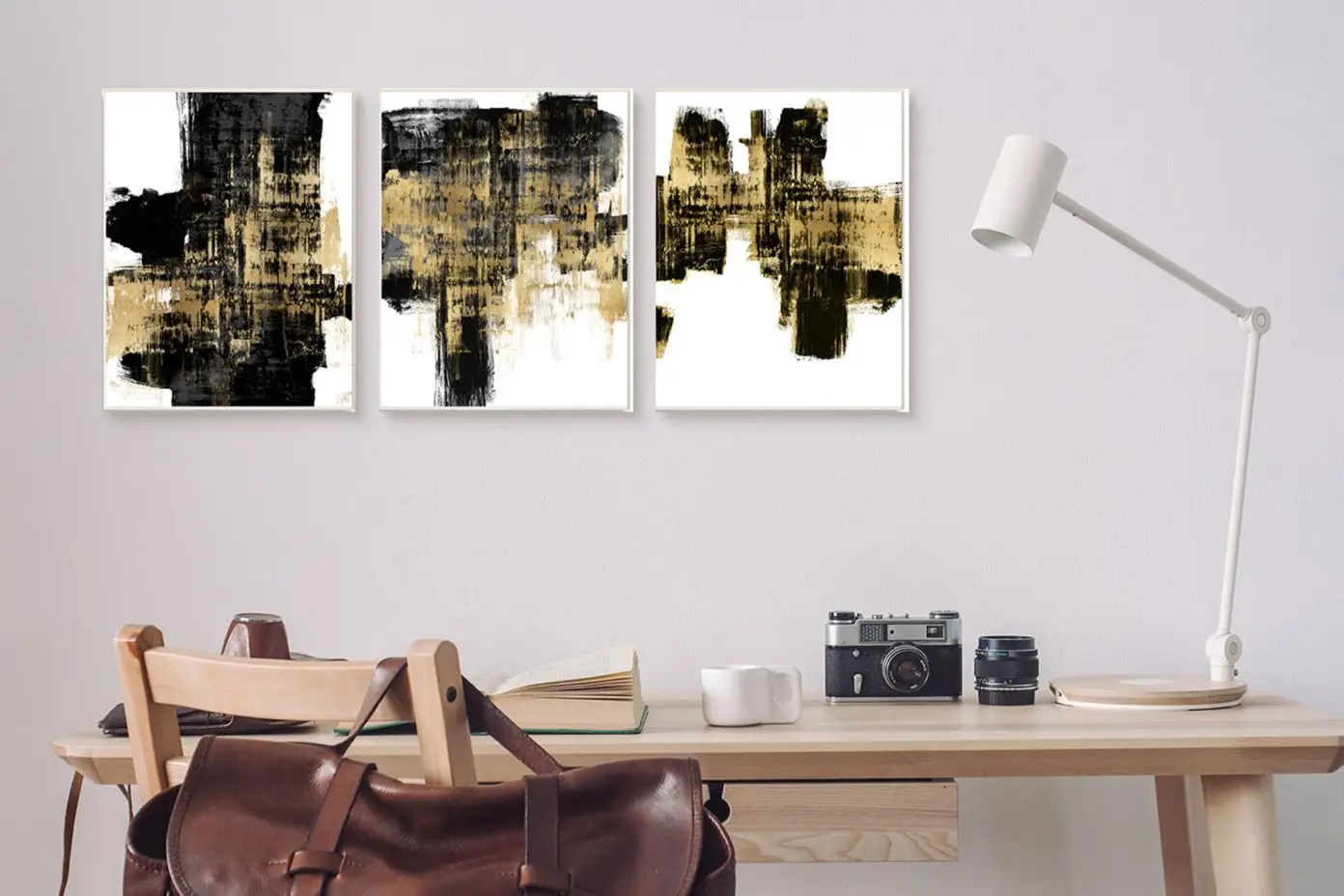
Triptychs or Diptychs: Multiple panels work to add symmetry and structure while filling the space. Position them above key furniture like a bed, a long bench, or a low-profile cabinet to create balance.
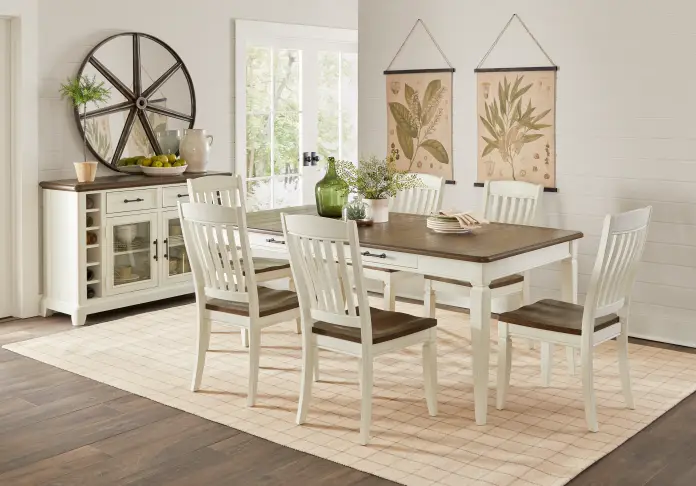
Gallery Grids: A grid of matching frames can create a structured feel over a larger piece of furniture, like a dresser or sideboard. Keep the spacing tight and consistent for a clean, modern look.

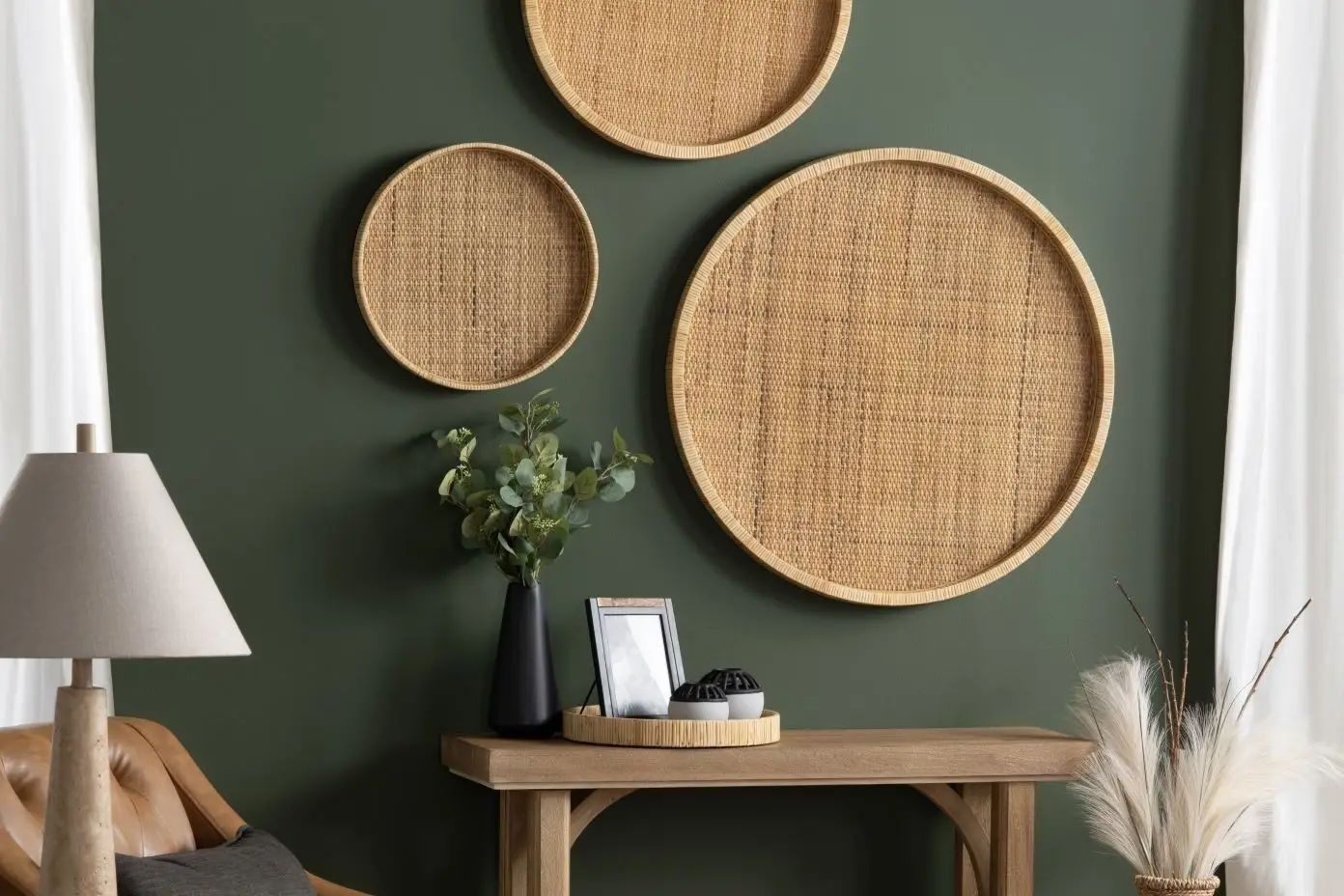
A gallery wall is your opportunity to tell a story. If you're asking yourself how to choose art for a gallery wall, start by looking at the furniture and its surroundings. A console table, desk, or reading nook can all benefit from a well-curated gallery wall above or around them.
Mix art sizes, frame finishes, and mediums - such as photography, prints, line drawings, and even small sculptures but keep one element consistent to create cohesion. That could be a shared color, a common theme, or a unified frame style.
Try layering furniture with art: for example, lean a couple of framed pieces on top of a console or bookshelf and mix them with small decorative objects or lighting. This gives your space a collected, styled feel that still feels personal.
Before hanging your pieces, arrange them on the floor first. Once you find a layout that feels balanced, you can mark out placements on the wall using painter's tape and start hanging with confidence.

Once you've selected your art, consider how it interacts with your furniture finishes and materials. The best wall art doesn't just stand alone - it complements the pieces around it.
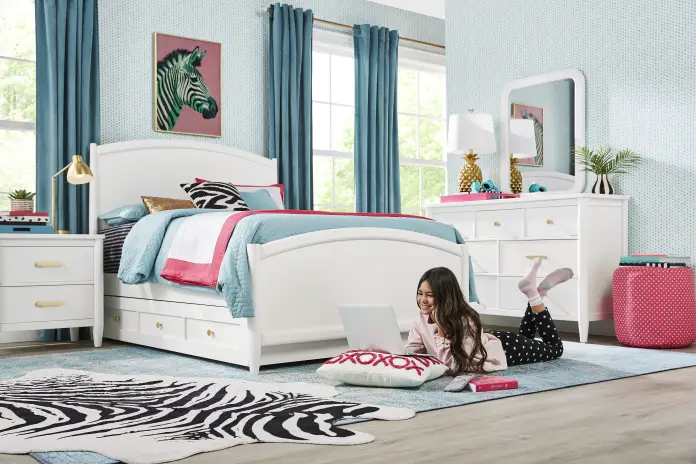
Color: If your sofa or accent chair is in a bold hue, artwork in more neutral tones can offer a visual breather. On the flip side, if your furniture is understated, a colorful piece of art can add much-needed energy.
Frame Style: Match frame finishes to your furniture for a seamless look. Black or white frames go with nearly everything, but wood tones can echo other materials in the room like your coffee table or bed frame.
Finish: Think about texture. A canvas adds softness, a glass frame introduces shine, and a metal piece adds edge. Coordinate these textures with elements like your lighting fixtures, table surfaces, or decorative accents.

At the end of the day, the most important rule is to choose what you love. While understanding how to select wall art can give you helpful tools to guide the process, your instincts and personal style are what truly make a space feel like your own. It might be a piece that reminds you of a trip, a vintage find that adds character to your dining area, or a print that makes you smile every time you walk past your entryway. Whether you're placing artwork above a bed, anchoring a living room setup, or layering it into a home office, let your choices reflect who you are. Beautiful rooms aren't built overnight - they're collected over time - so choose wall art that complements your furniture, enhances your space, and tells your story.