- HomeHome
- InspirationInspiration
- Rooms To Go BlogRooms To Go Blog
- Rug Buying Guide

Rug sizing for sofas, sectionals, dining tables, beds, and patios
Choosing the right rug size starts with the furniture you want the rug to anchor. A properly sized rug should connect the main pieces in the room, provide enough usable coverage, and leave the layout feeling balanced.
This guide covers recommended rug sizes for living rooms, sectional sofas, dining rooms, bedrooms, patios, hallways, and home offices. Use the tables below as a starting point, then confirm the exact measurements of your furniture and rug before purchasing.
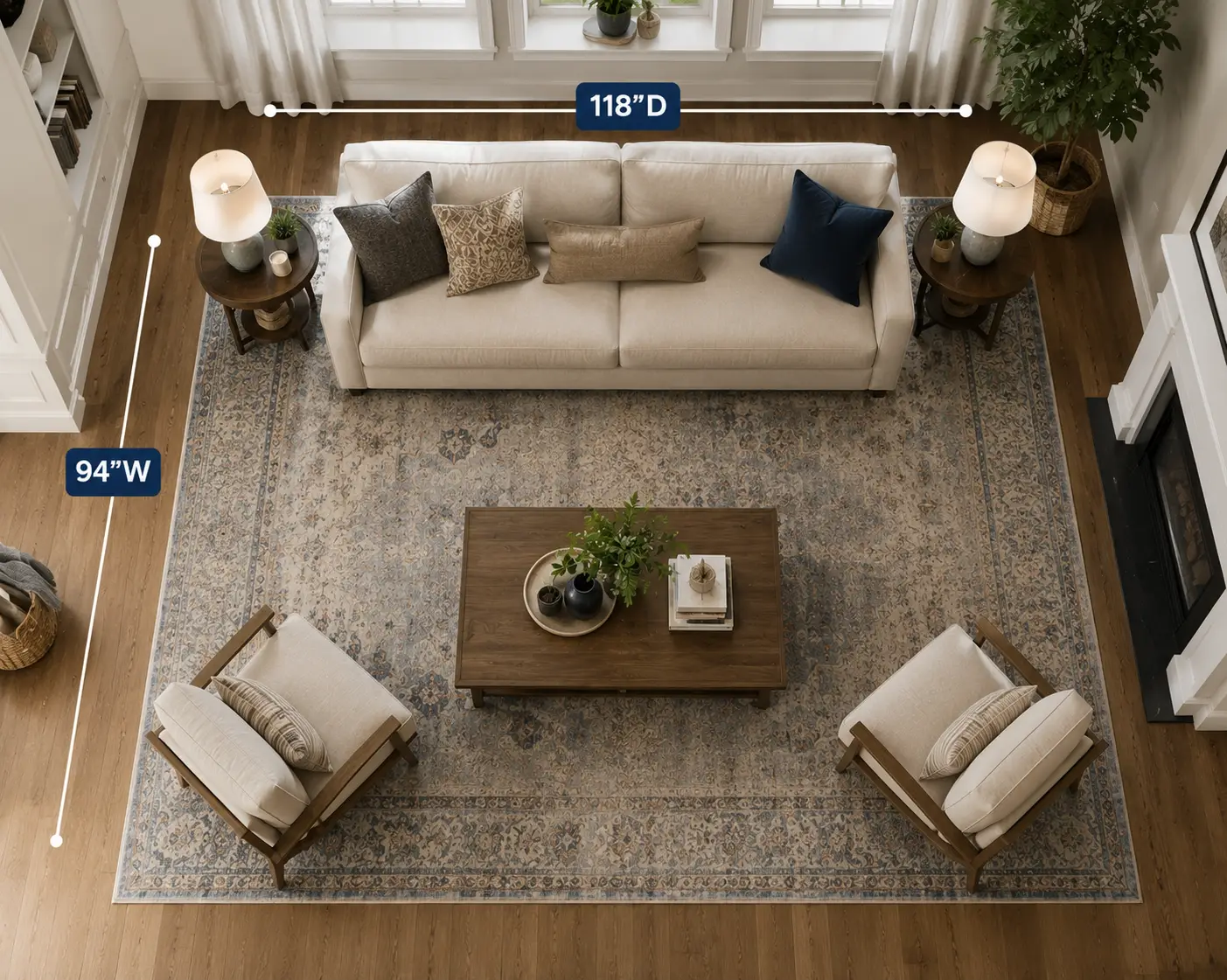
For a standard living room with a sofa and chairs, an 8' x 10' rug is a practical starting point.
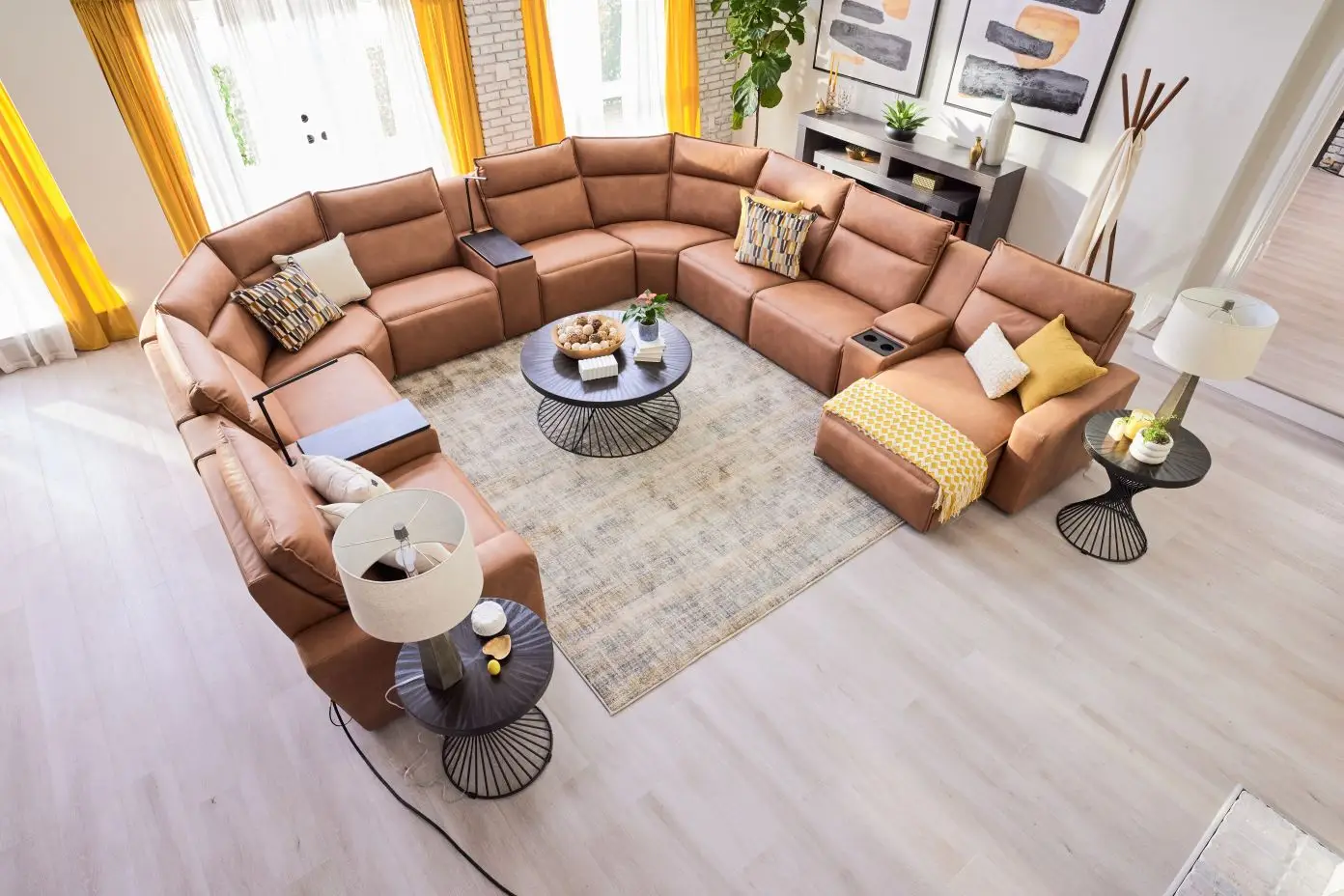
Larger seating arrangements and sectional sofas commonly need a 9' x 12' or 10' x 14' rug.
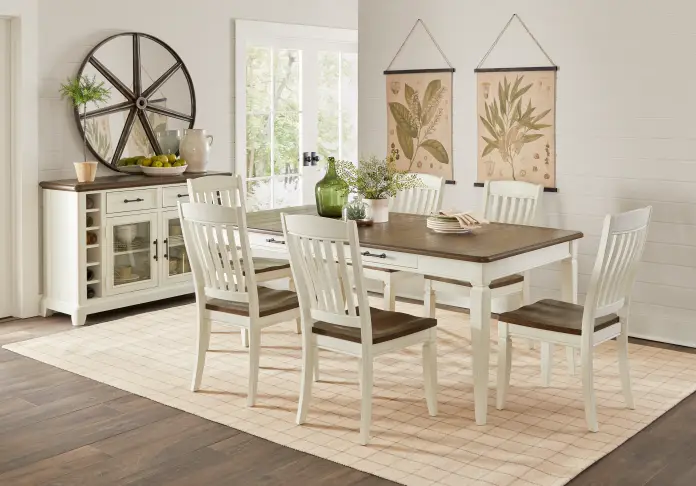
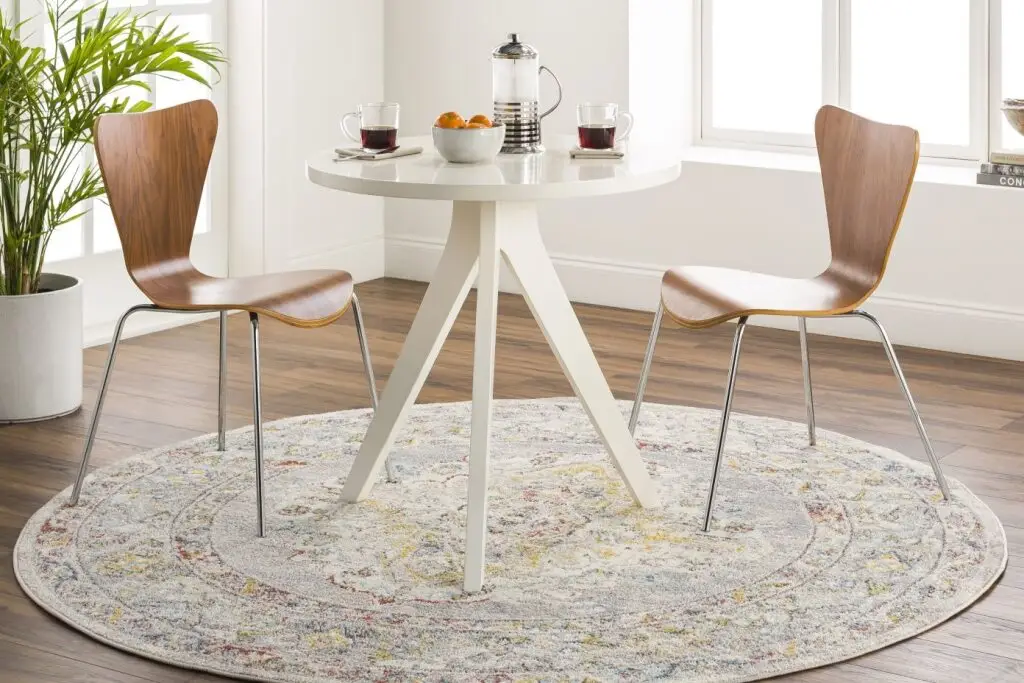
For dining rooms, choose a rug that extends approximately 24 to 30 inches beyond every side of the table so the chairs remain supported when pulled out.
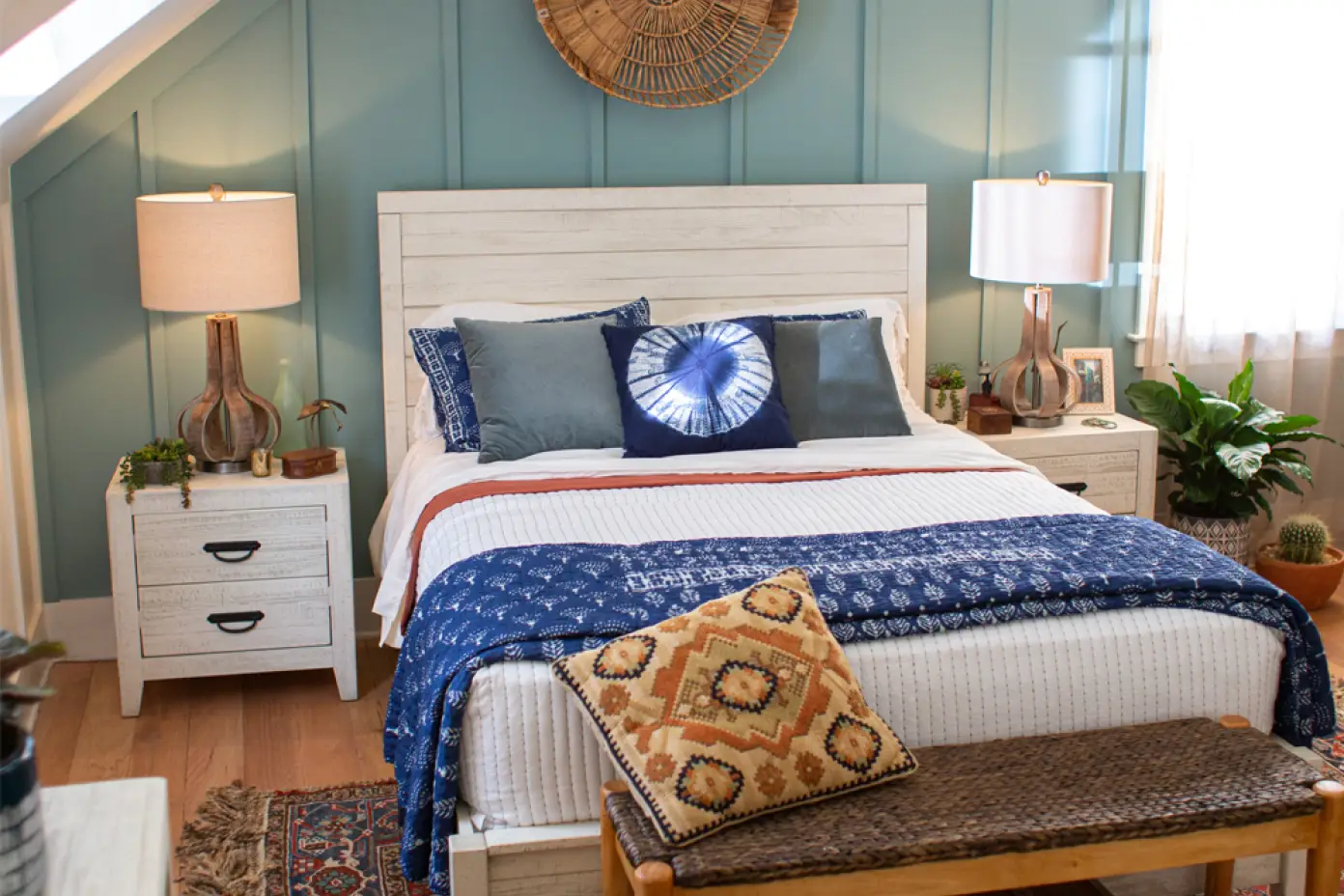
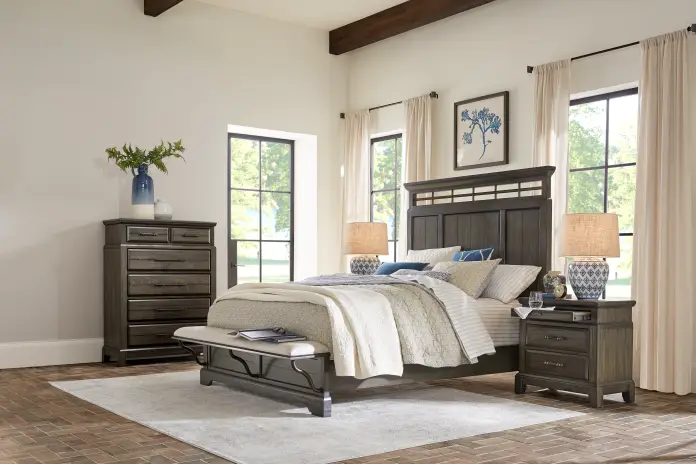
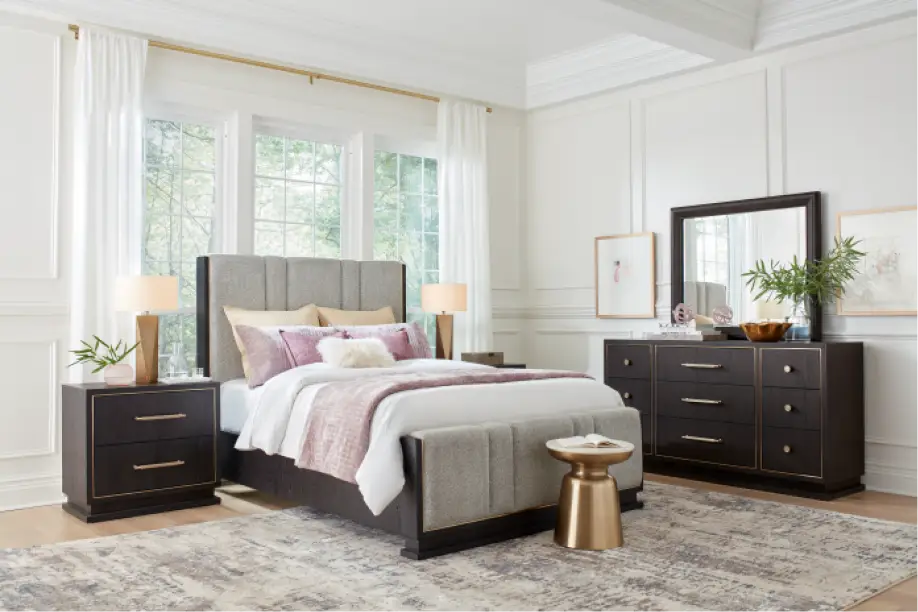
In bedrooms, an 8' x 10' rug generally works well beneath a queen bed, while a 9' x 12' rug provides more balanced coverage beneath a king bed.
These are starting points rather than fixed rules. The correct rug depends on your furniture dimensions, walkways, doors, vents, and the amount of exposed flooring around the room layout.

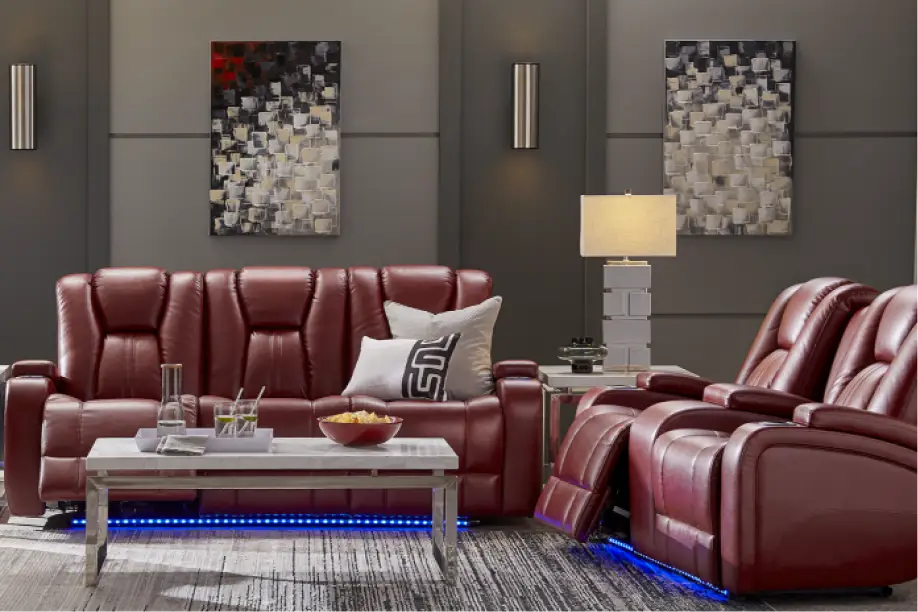
Start with the full seating arrangement rather than the center of the room. The rug should connect the sofa, chairs, and coffee table instead of sitting by itself beneath the coffee table.
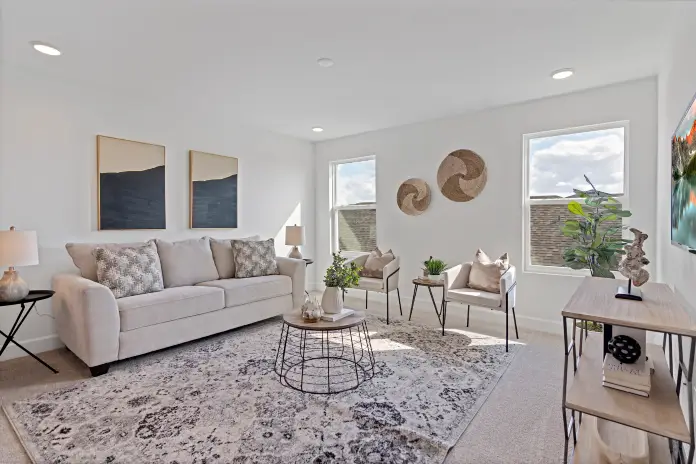
For many standard sofa arrangements, an 8' x 10' rug is a practical starting point. Compact living rooms may work with a 5' x 8' or 6' x 9' rug, while larger rooms with multiple chairs may need a 9' x 12' rug.
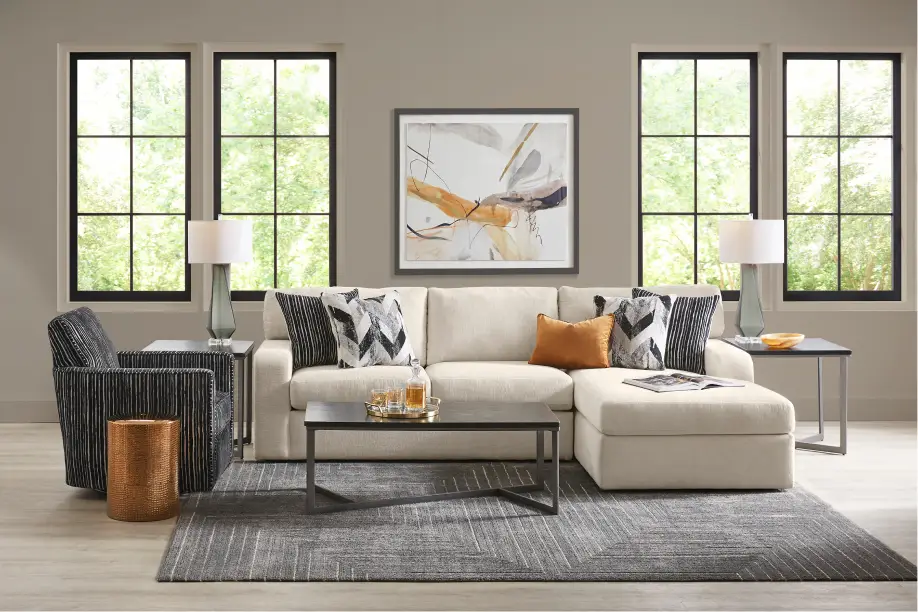
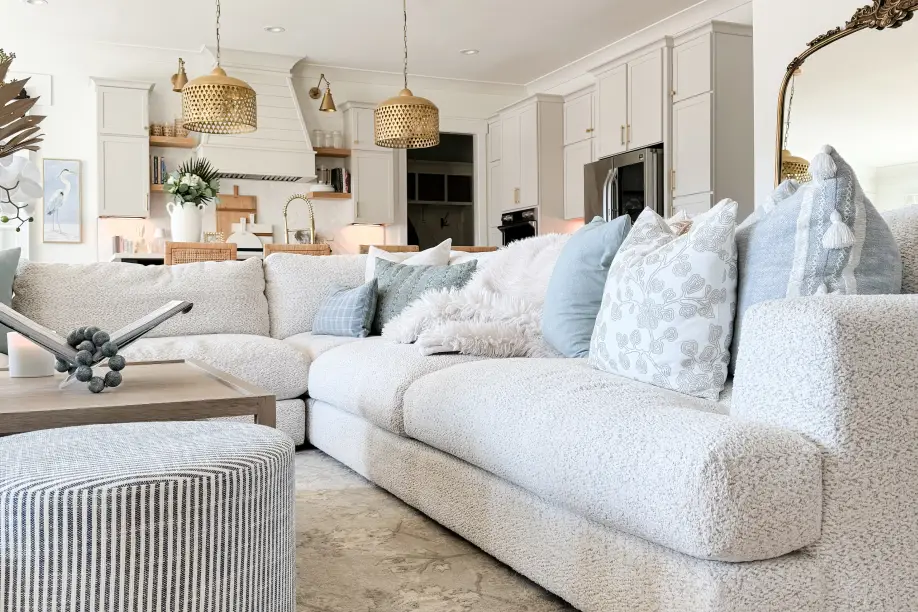
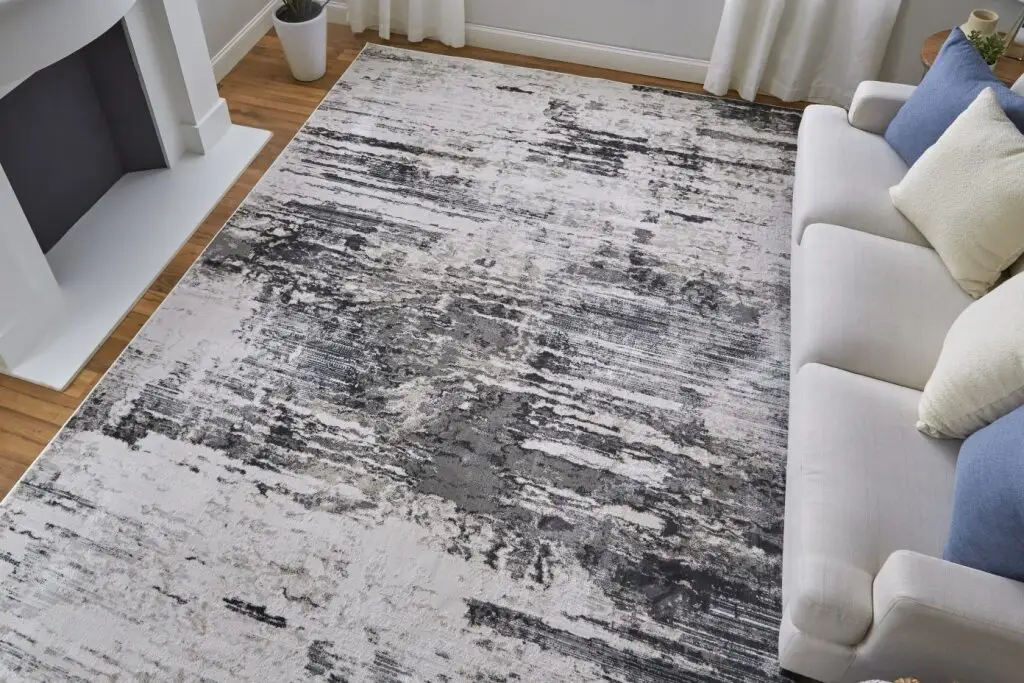
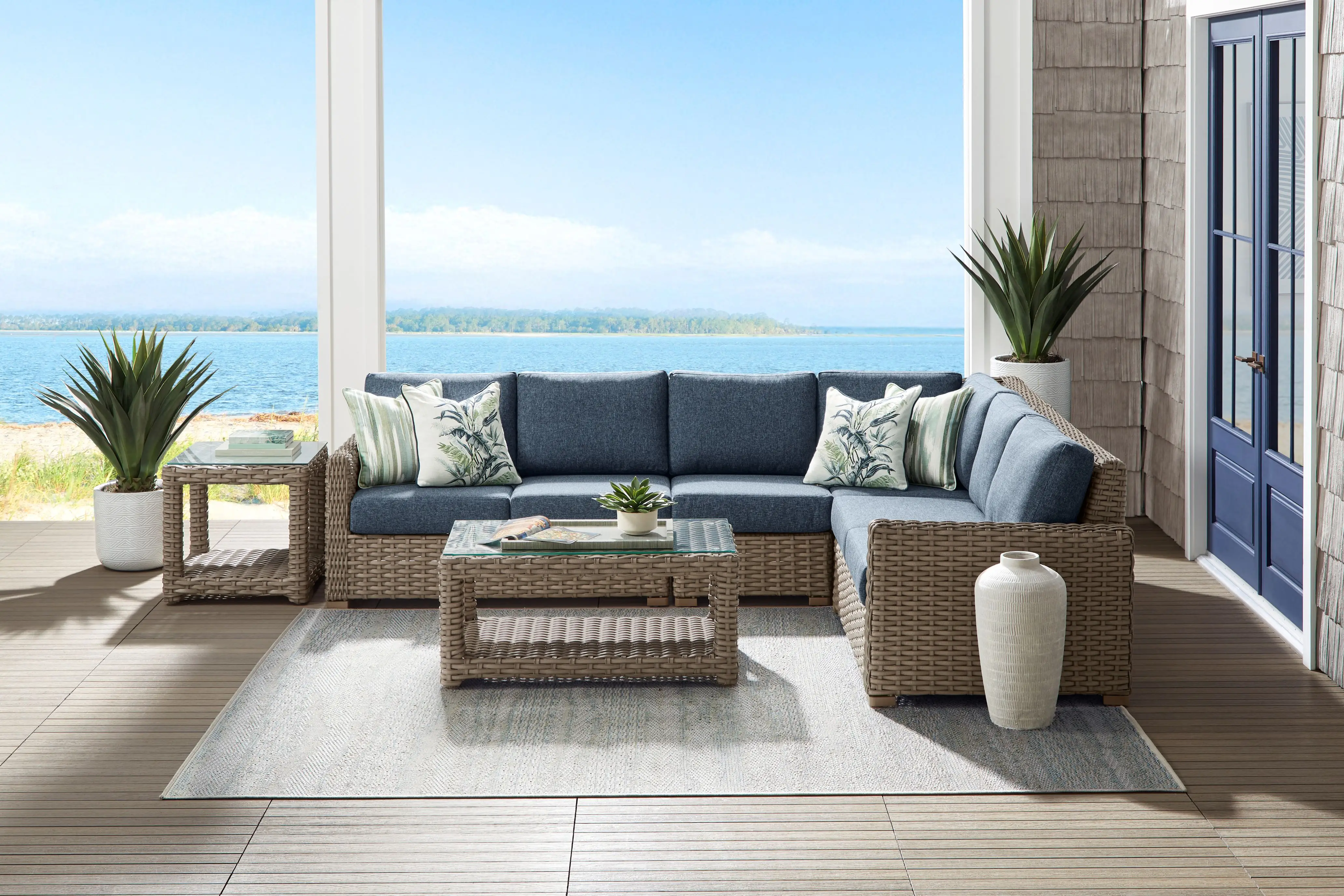
Rooms with sectionals usually require more coverage. An 8' x 10' rug may fit a compact chaise sectional, while a 9' x 12' rug works better for many L-shaped layouts. Large modular furniture arrangements may require a 10' x 14' rug.
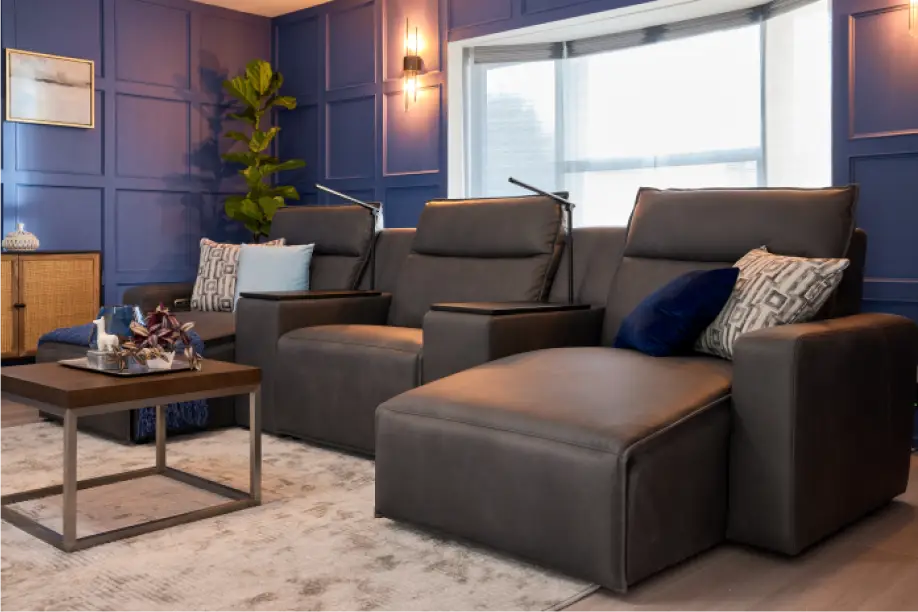
At minimum, place the front legs of the sofa, sectional, and primary chairs on the rug. The rug should also extend beyond both ends of the main seating so the arrangement feels connected and properly proportioned.
Shop Sofas

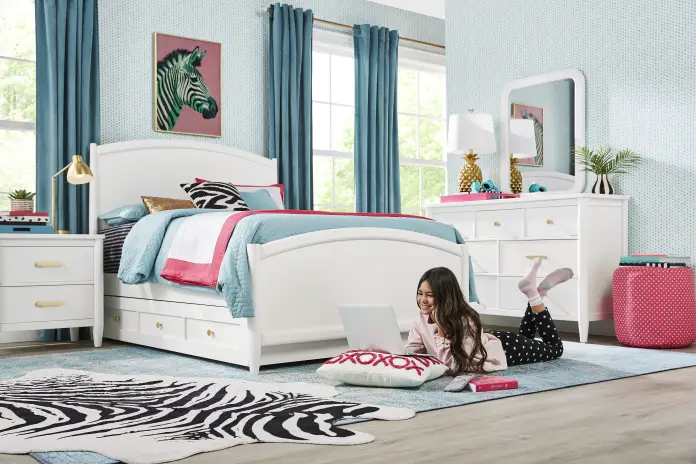
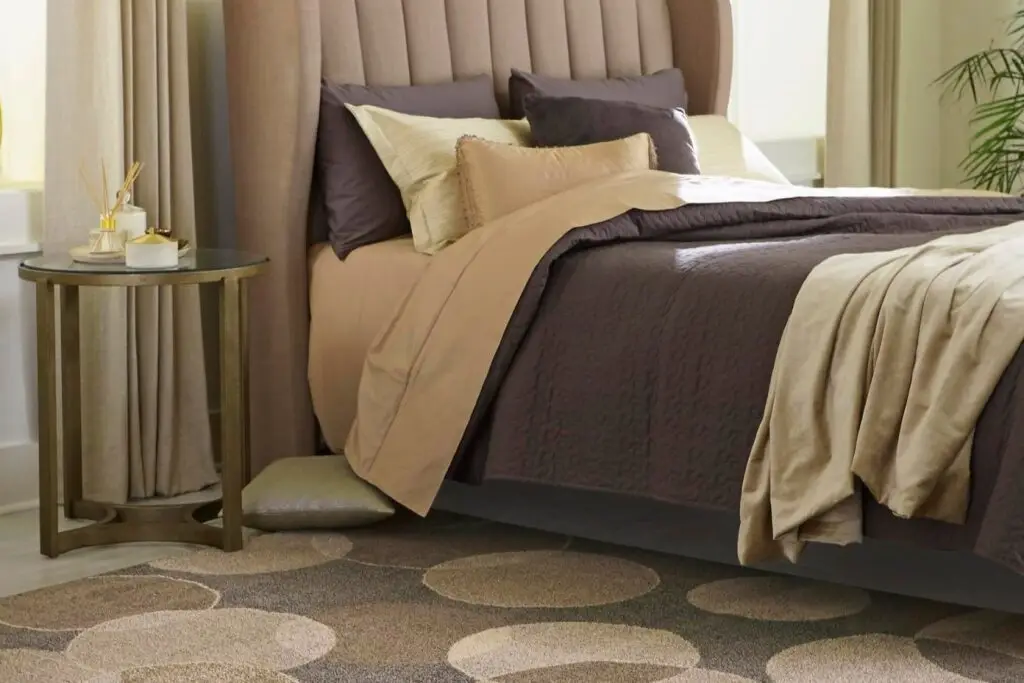
Choose a bedroom rug that provides comfortable coverage beside the bed and at the foot. The rug can sit beneath the entire bed or begin in front of the nightstands and extend beneath the lower portion of the bed.
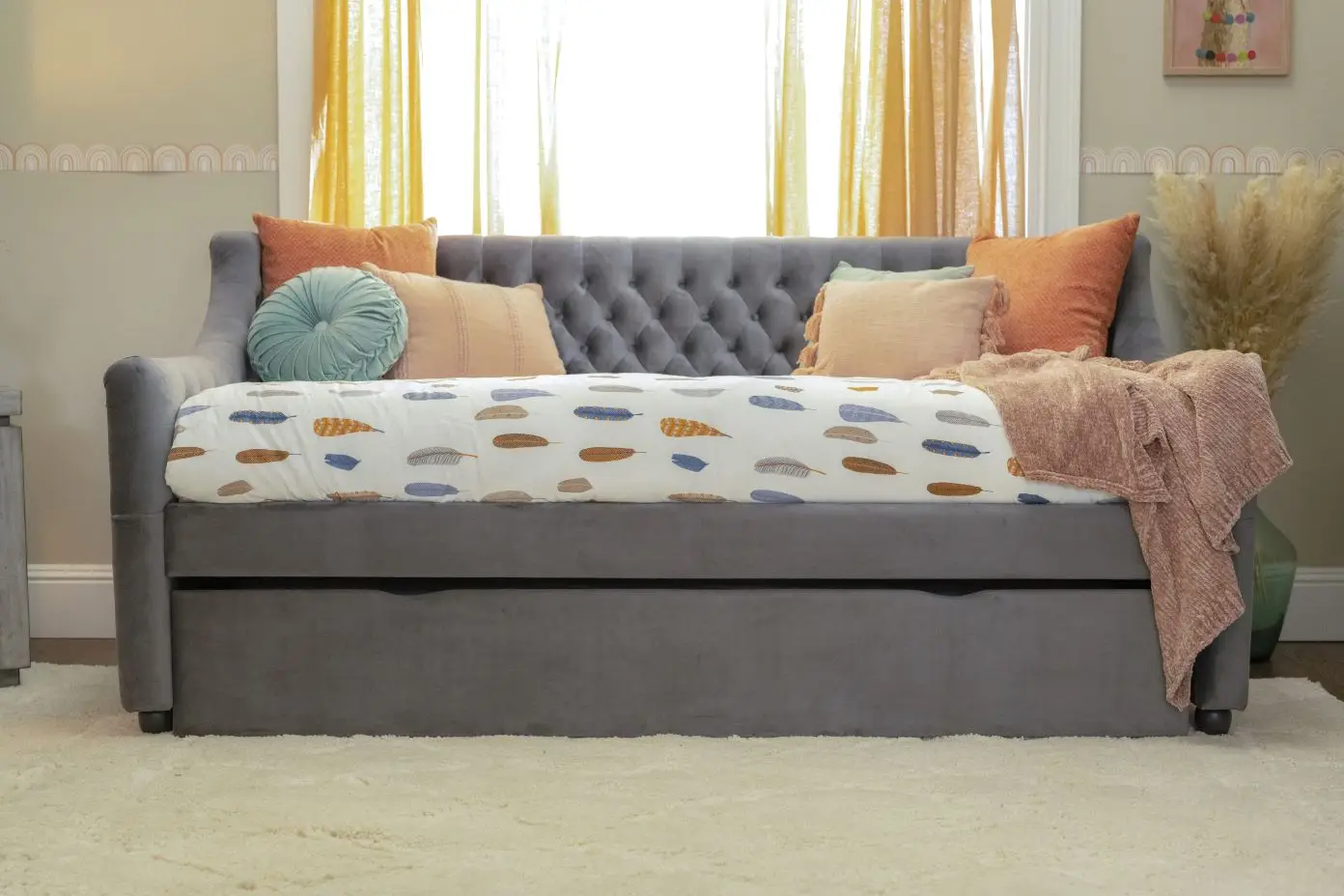
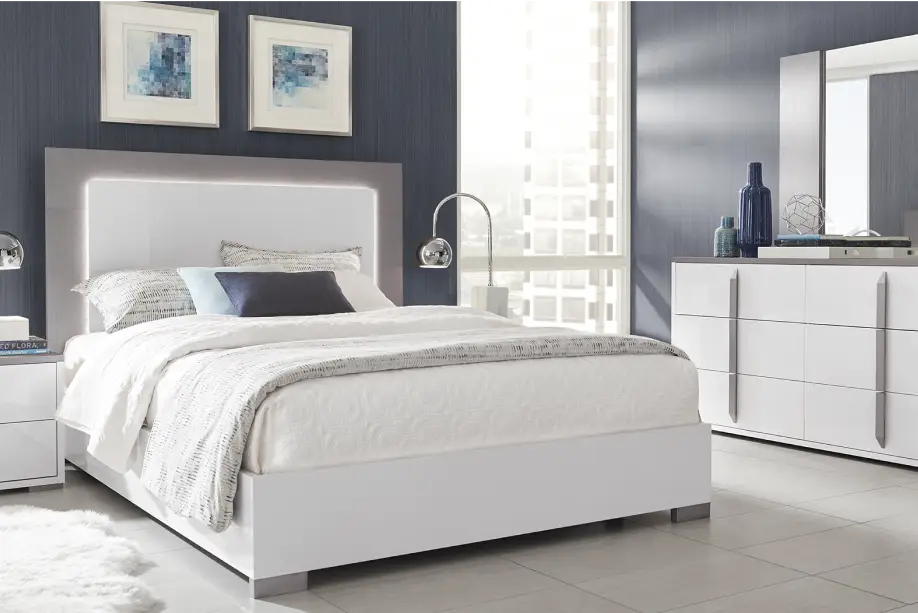
Use a 5' x 8' rug for many twin beds and a 6' x 9' rug for a full bed. An 8' x 10' rug generally provides balanced coverage beneath a queen bed, while a 9' x 12' rug is the standard starting point for a king bed.
When the room allows, aim for approximately 24 inches of exposed rug on both sides and at the foot of the bed. If a large rug does not fit the room, matching runners beside the bed can provide usable coverage without forcing an oversized rug into the space.
Shop Bedroom Furniture

Measure the dining room table at its largest size, including any extension leaves you use regularly. Then choose a rug that provides enough space for the chairs to move without catching on the rug’s edge.
The rug should extend approximately 24 to 30 inches beyond every side of the tabletop. To estimate the minimum rug dimensions, add 48 to 60 inches to both the table’s length and width.
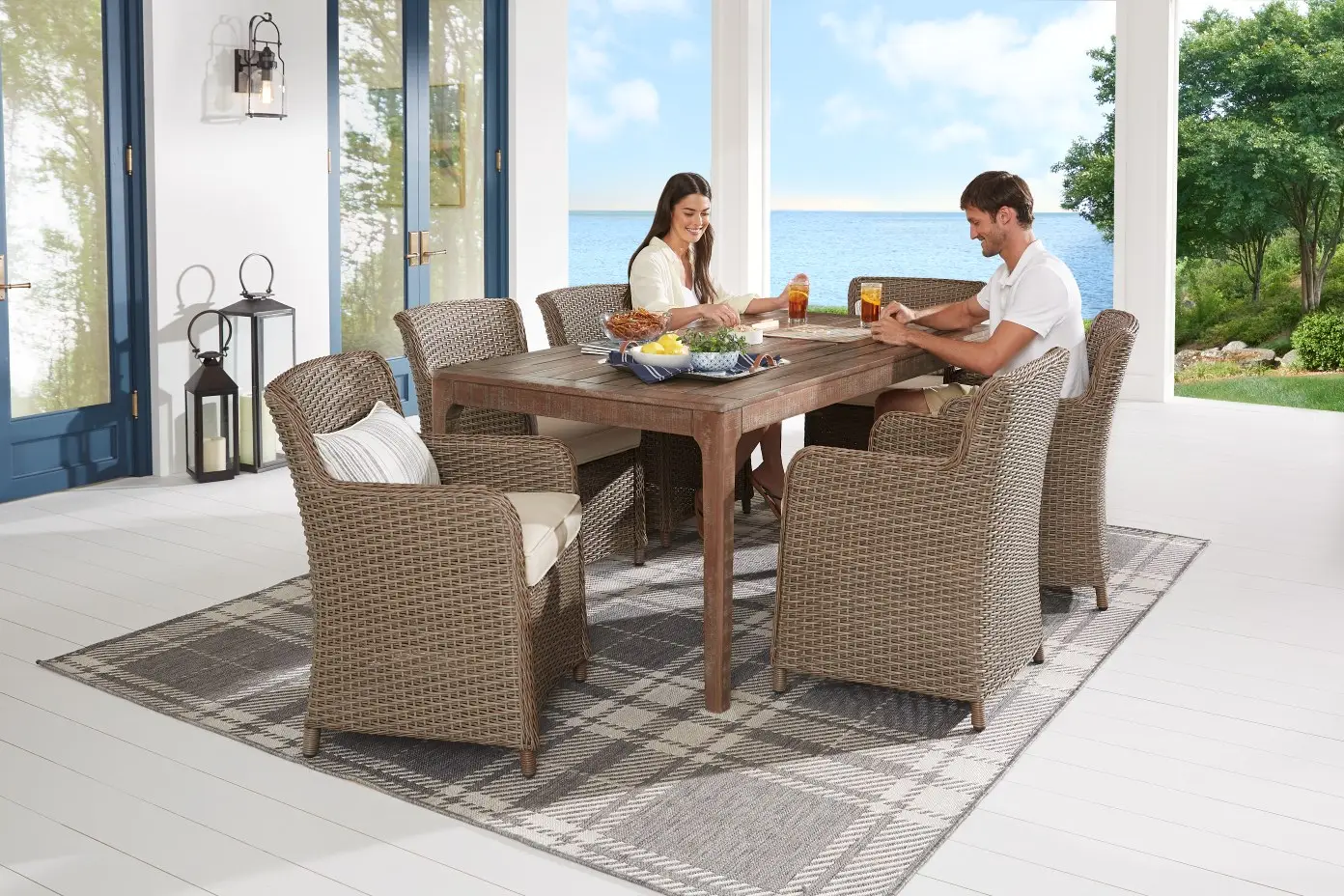
An 8' x 10' rug works for many four-to-six-person dining tables. Larger six-to-eight-person tables, wide chairs, or extendable tables may require a 9' x 12' rug. When someone pulls out a dining chair, all four chair legs should remain on the rug.
Shop Dining Room Sets
Size an outdoor rug around the patio furniture arrangement just as you would indoors. The rug should define the seating or dining area and connect the main furniture pieces without covering nearly the entire deck or patio.
A 5' x 7' or 6' x 9' rug can work beneath a compact balcony or bistro arrangement. Use an 8' x 10' rug for many outdoor sofas, conversation sets, and medium dining arrangements. A large patio sectional or expanded dining set may need a 9' x 12' rug.
For lounge furniture, place at least the front legs of the sofa and chairs on the rug. For outdoor dining, make sure the chairs remain on the rug when pulled away from the table. Also leave enough uncovered decking or patio surface around the rug to maintain clear walking space.
Shop Patio Furniture
| Common Rug Size | Exact Dimensions | Common Starting Uses |
|---|---|---|
| 4' x 6' rugs | 48" x 72" | Entryways, accent areas, bedside placement, and very compact seating arrangements |
| 5' x 8' and other small rugs | 60" x 96" | Loveseats, reading nooks, small bedrooms, and kids' rooms |
| 6' x 9' rugs | 72" x 108" | Small living rooms, full beds, home offices, and compact patios with 6' x 9' outdoor rugs |
| 8' x 10' rugs | 96" x 120" | Standard sofas, queen beds, six-person dining tables, and medium patios with 8' x 10' outdoor rugs |
| 9' x 12' rugs | 108" x 144" | Sectionals, king beds, larger dining tables, and spacious outdoor seating areas |
| 10' x 14' and oversized rugs | 120" x 168" | Large modular sectionals, oversized rooms, extended dining tables, and open layouts |
| 8' round rugs | 96" diameter | Round dining tables, conversation areas, and balanced square rooms |
| Runner rugs | Commonly 30" x 96" | Hallways, kitchens, entryways, and placement beside beds |
The right size depends on the furniture you are placing on the rug, the amount of floor coverage you want, and the available walking space around the room. Keep in mind that common size names are often rounded, so always review the exact measurements listed on the product page before purchasing.
The right rug does more than cover the floor - it helps define the furniture arrangement and makes the entire room feel more complete. With your ideal dimensions in mind, explore area rugs at Rooms To Go and compare options that fit your space, from smaller rugs for compact layouts to oversized rugs for sectionals and open rooms.
Once you find your rug, learn what size rug pad you need to complete the setup with the proper fit underneath.