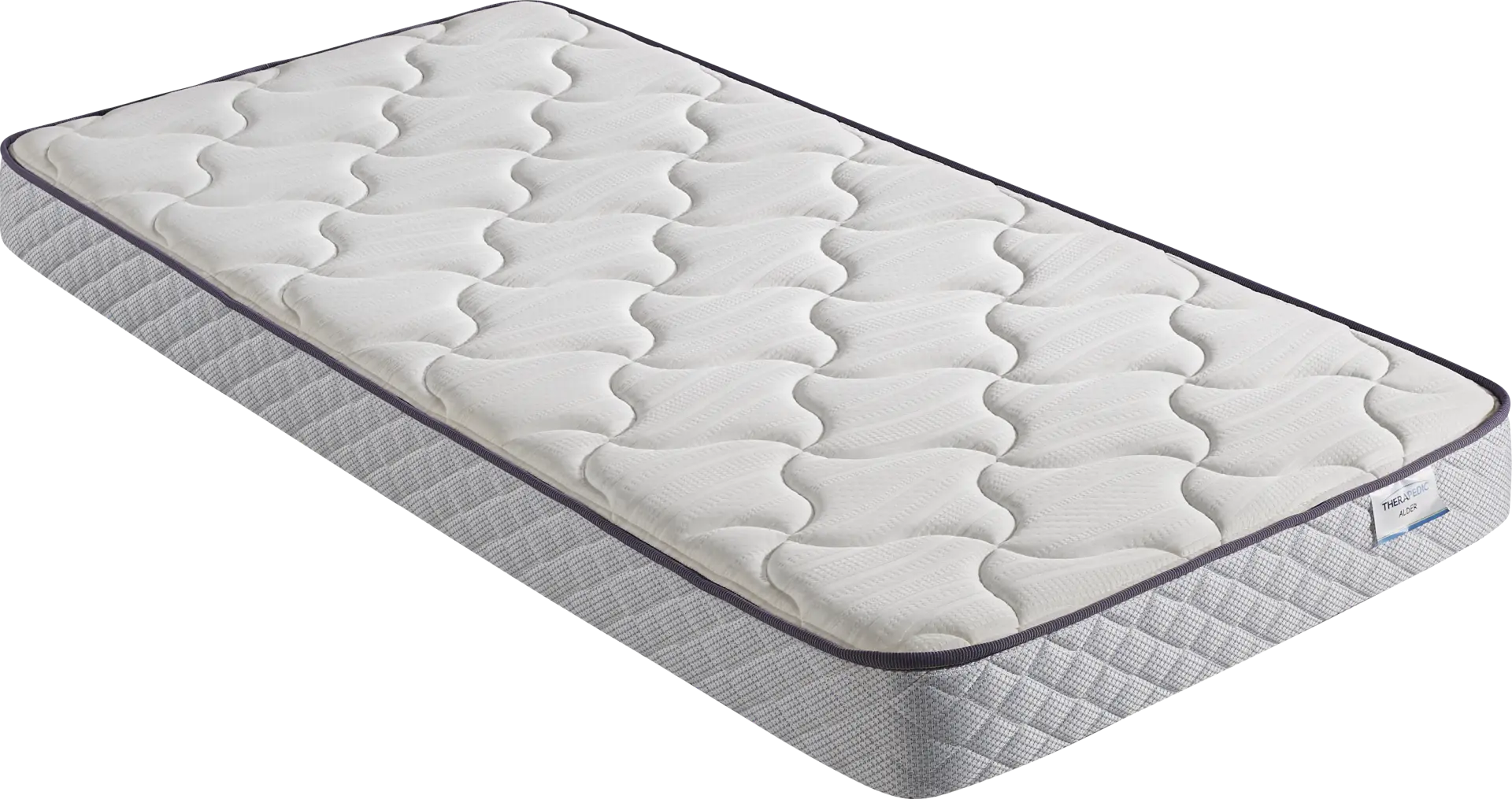
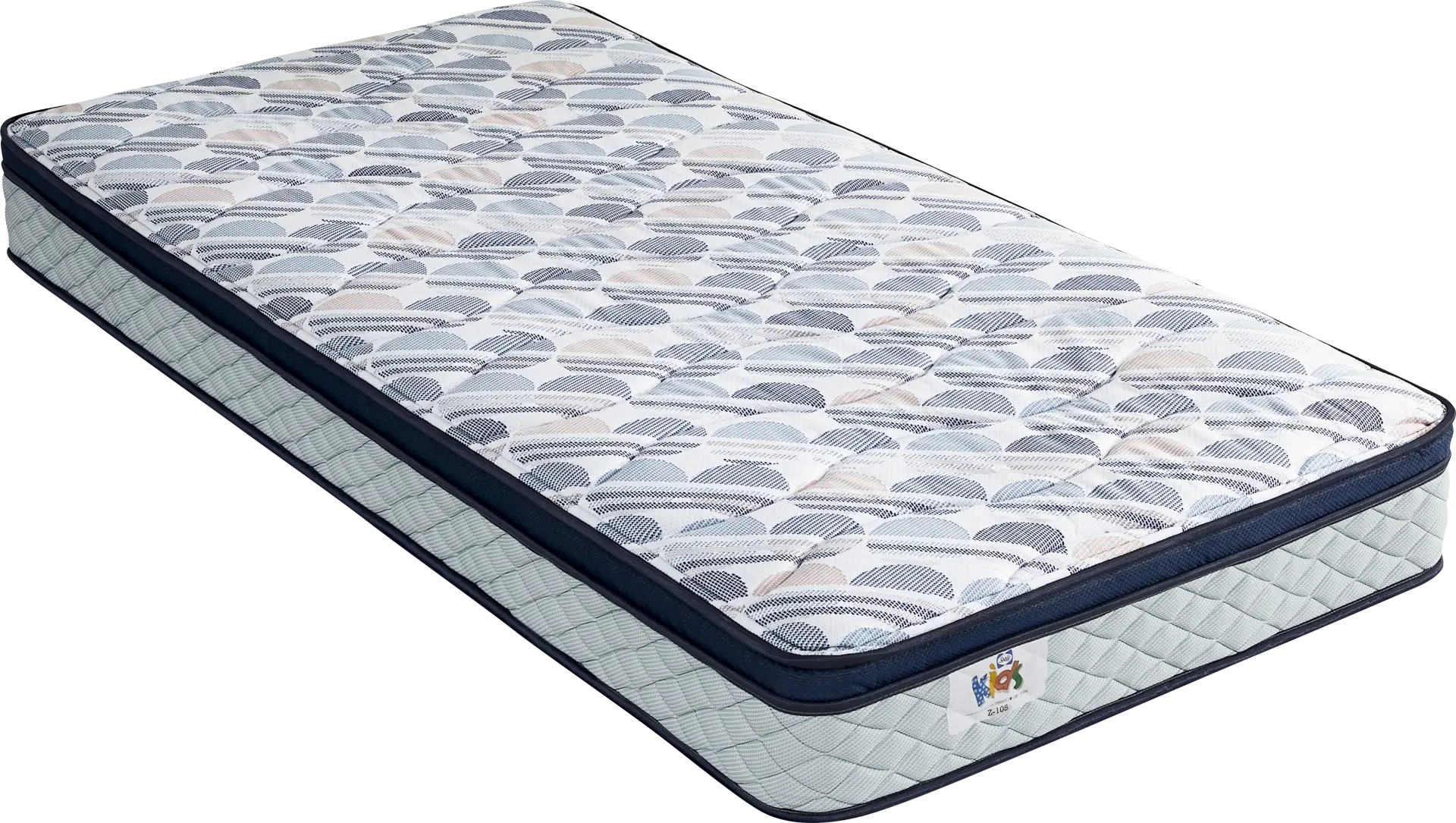
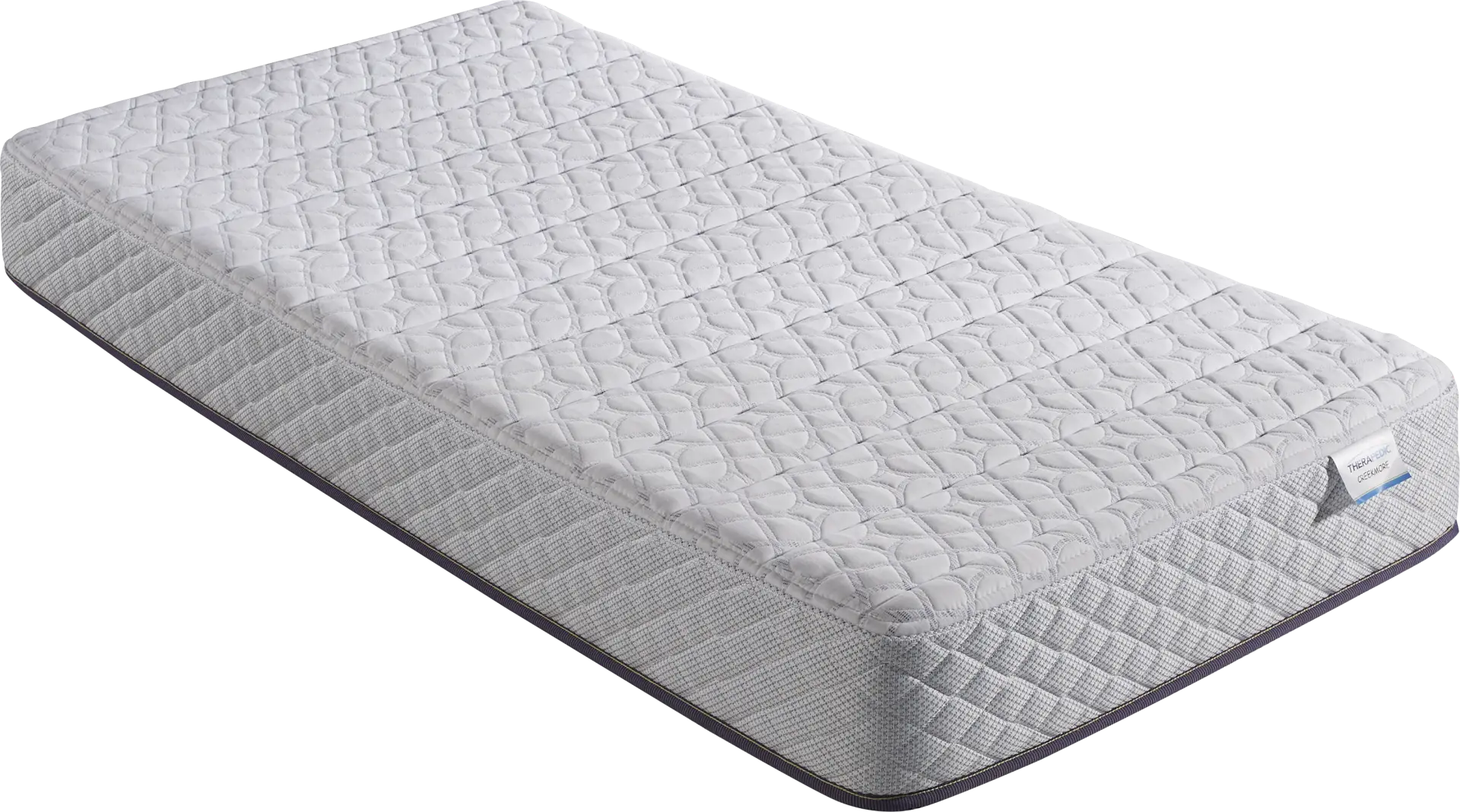
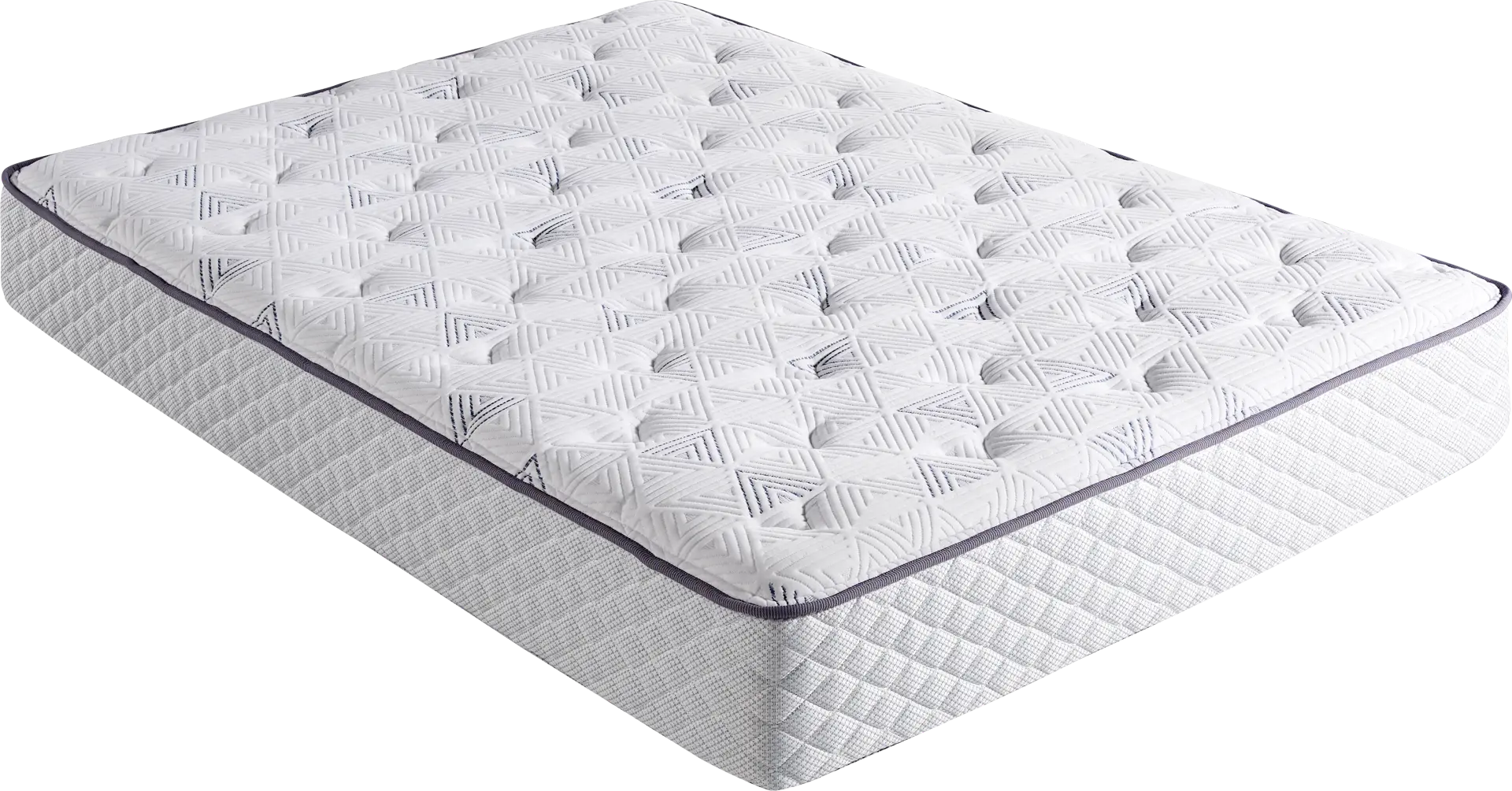
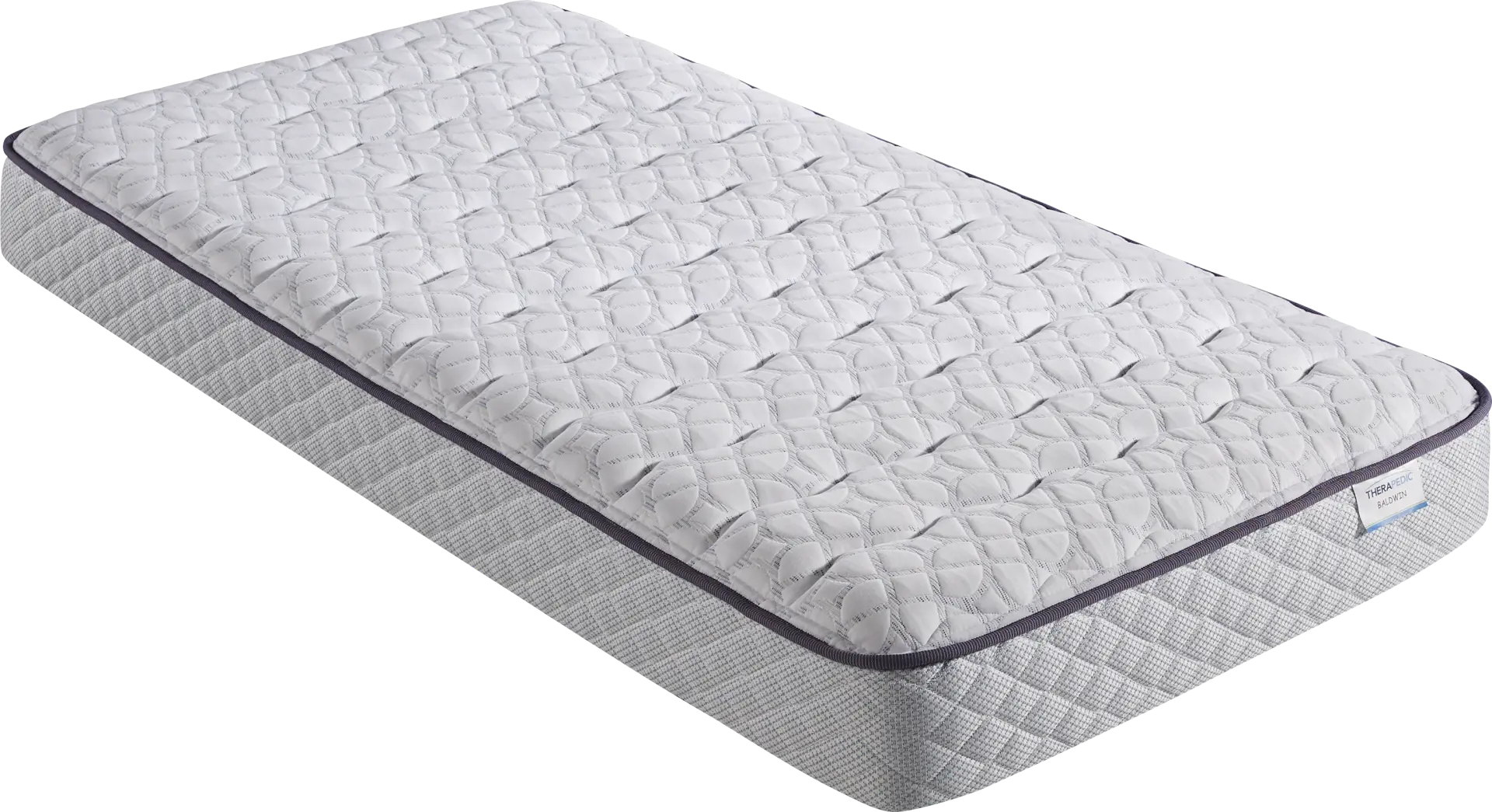
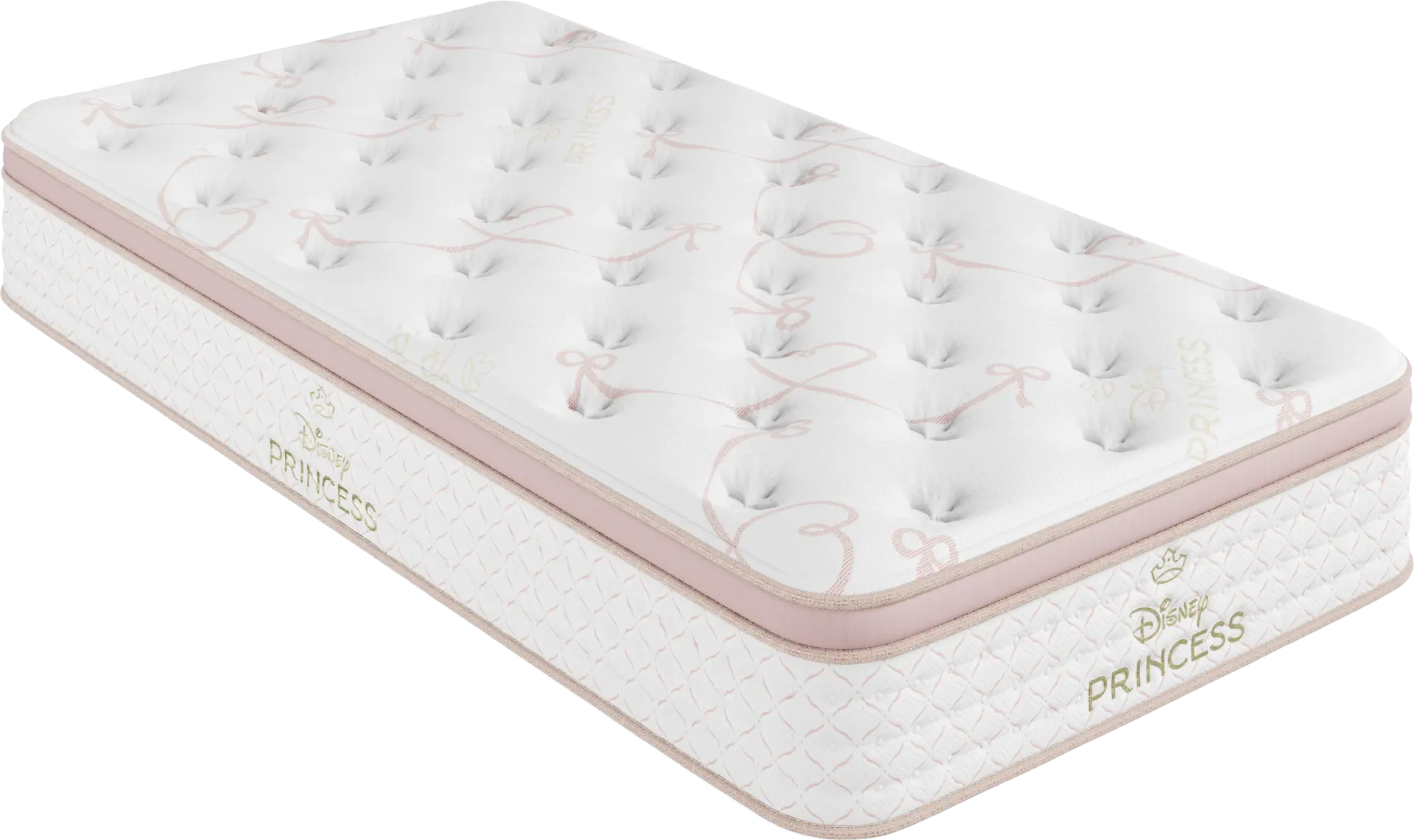
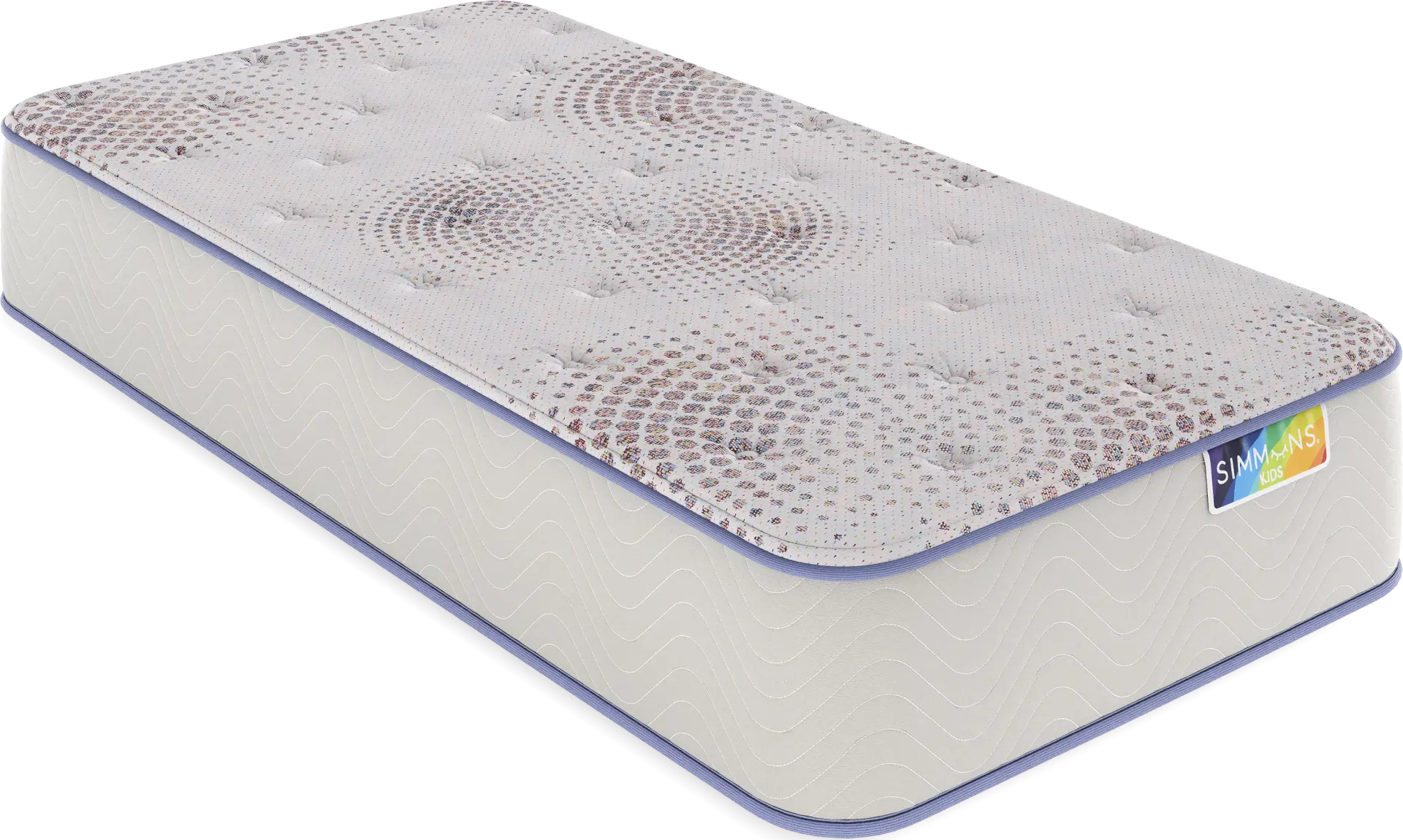
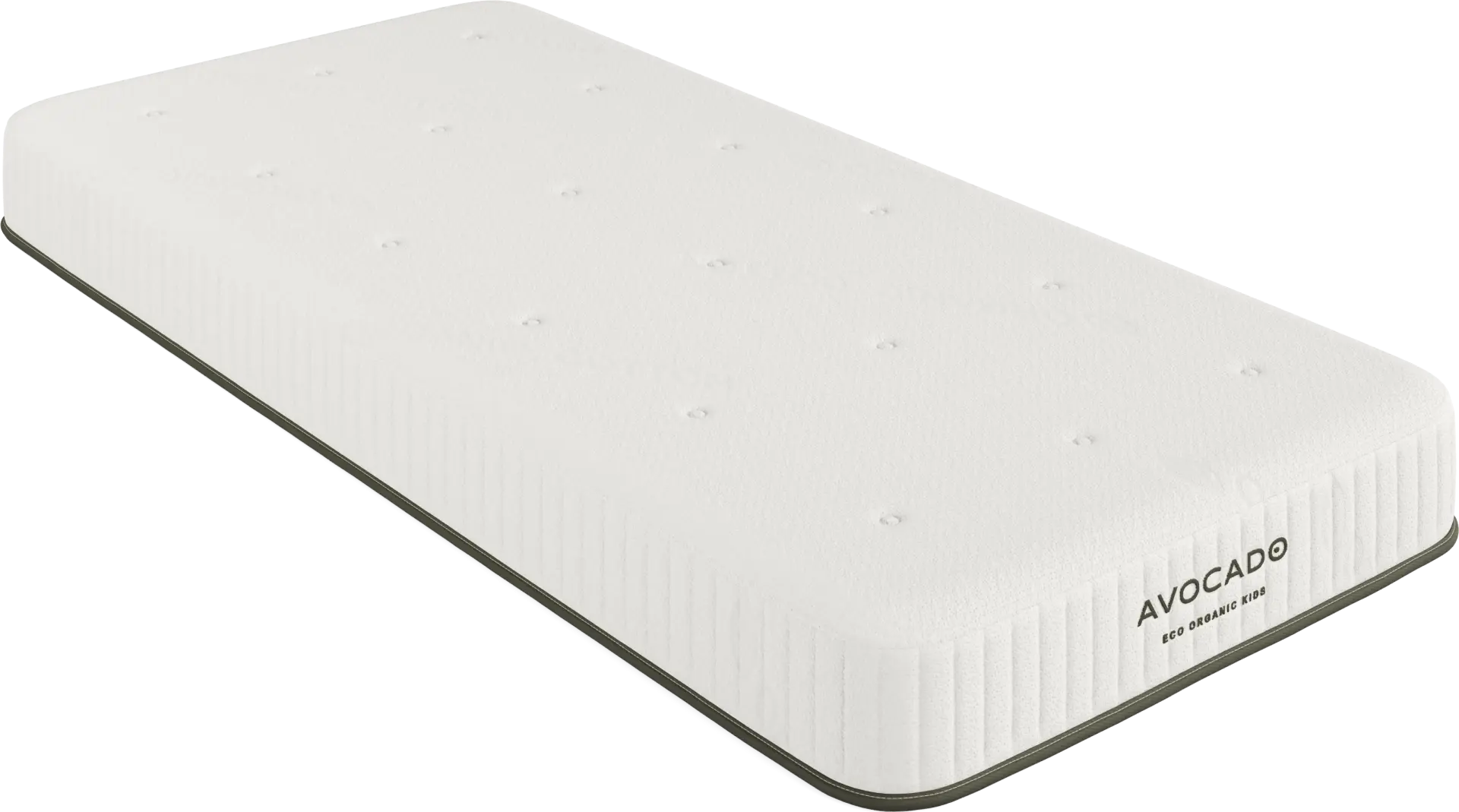
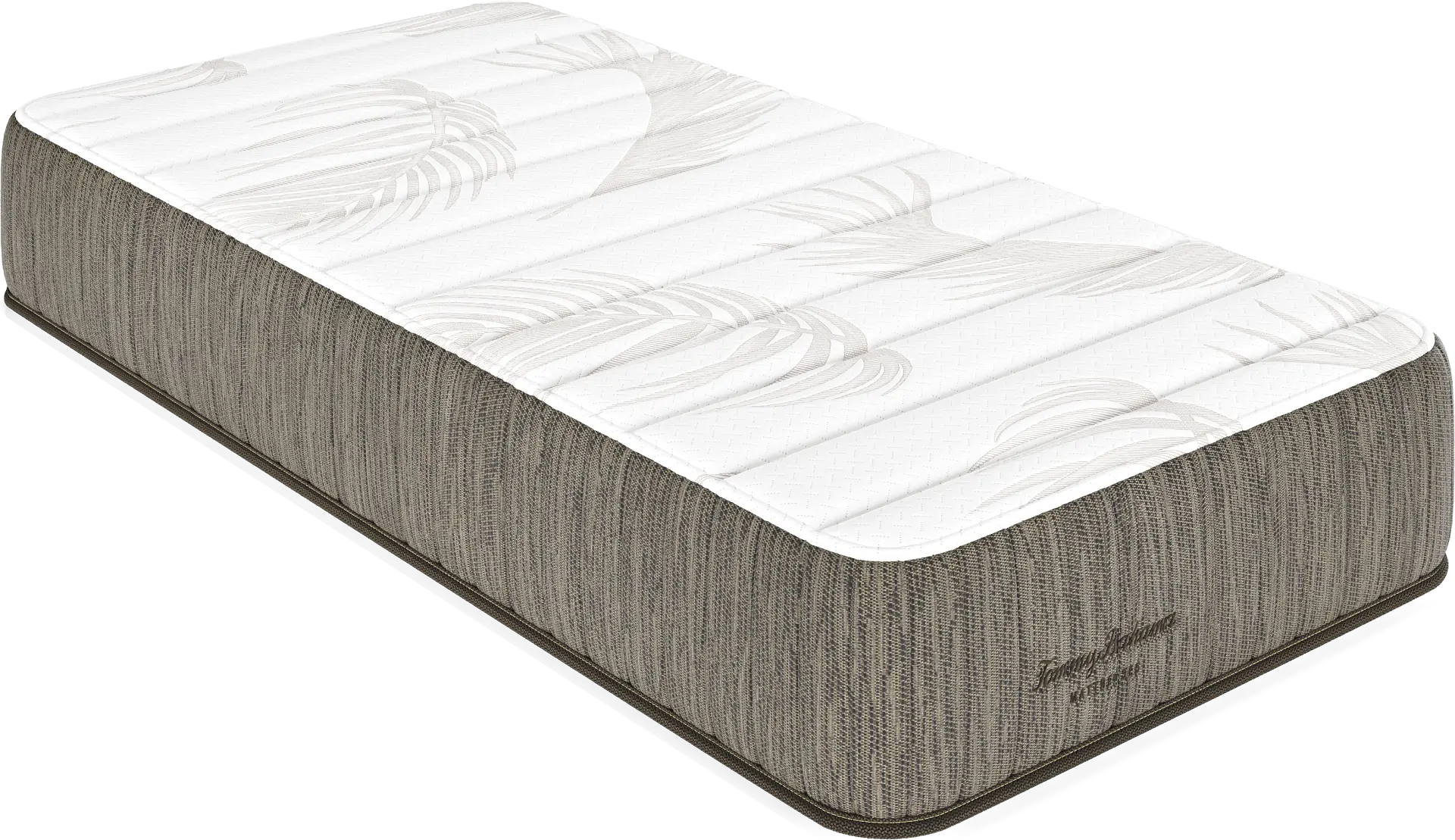
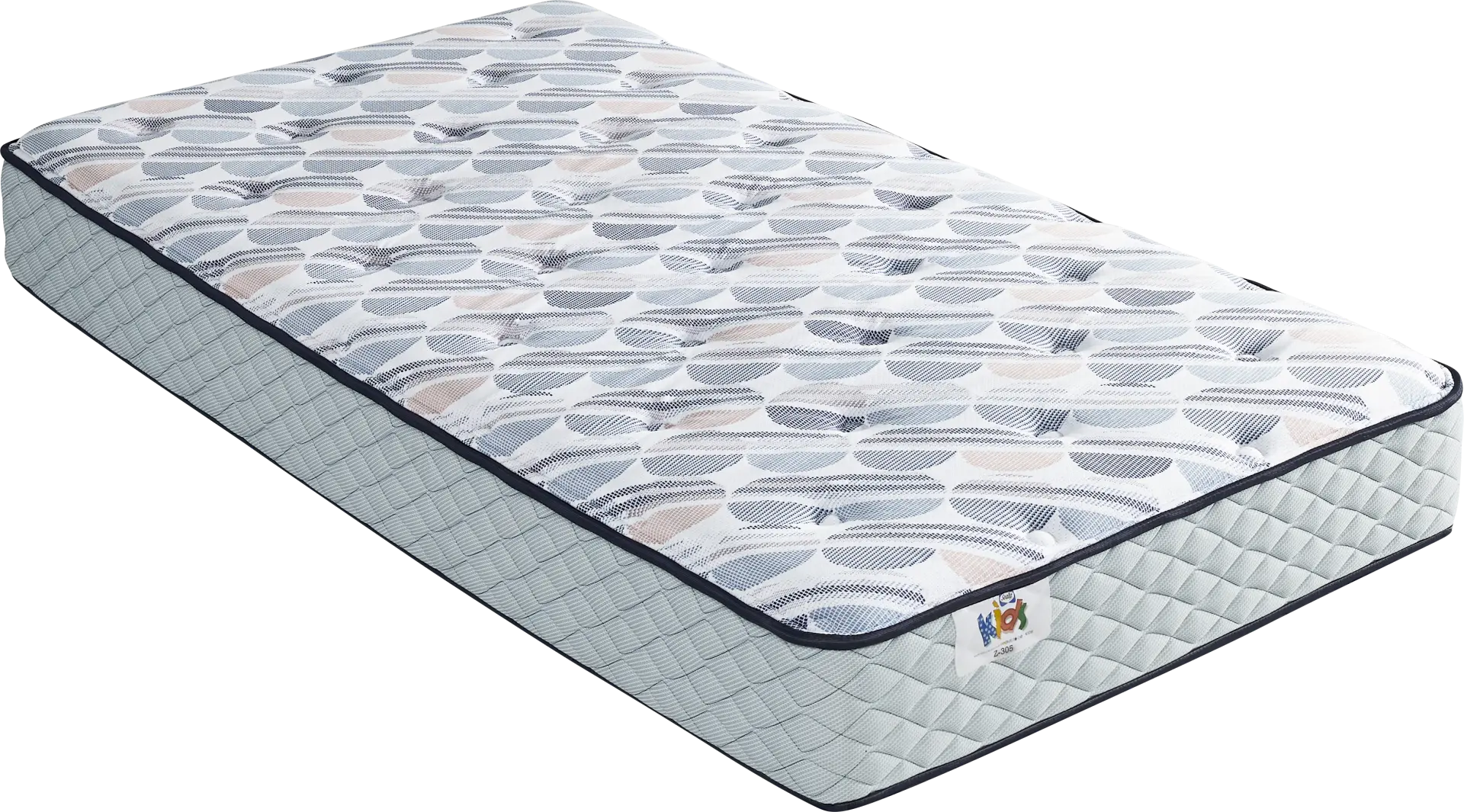
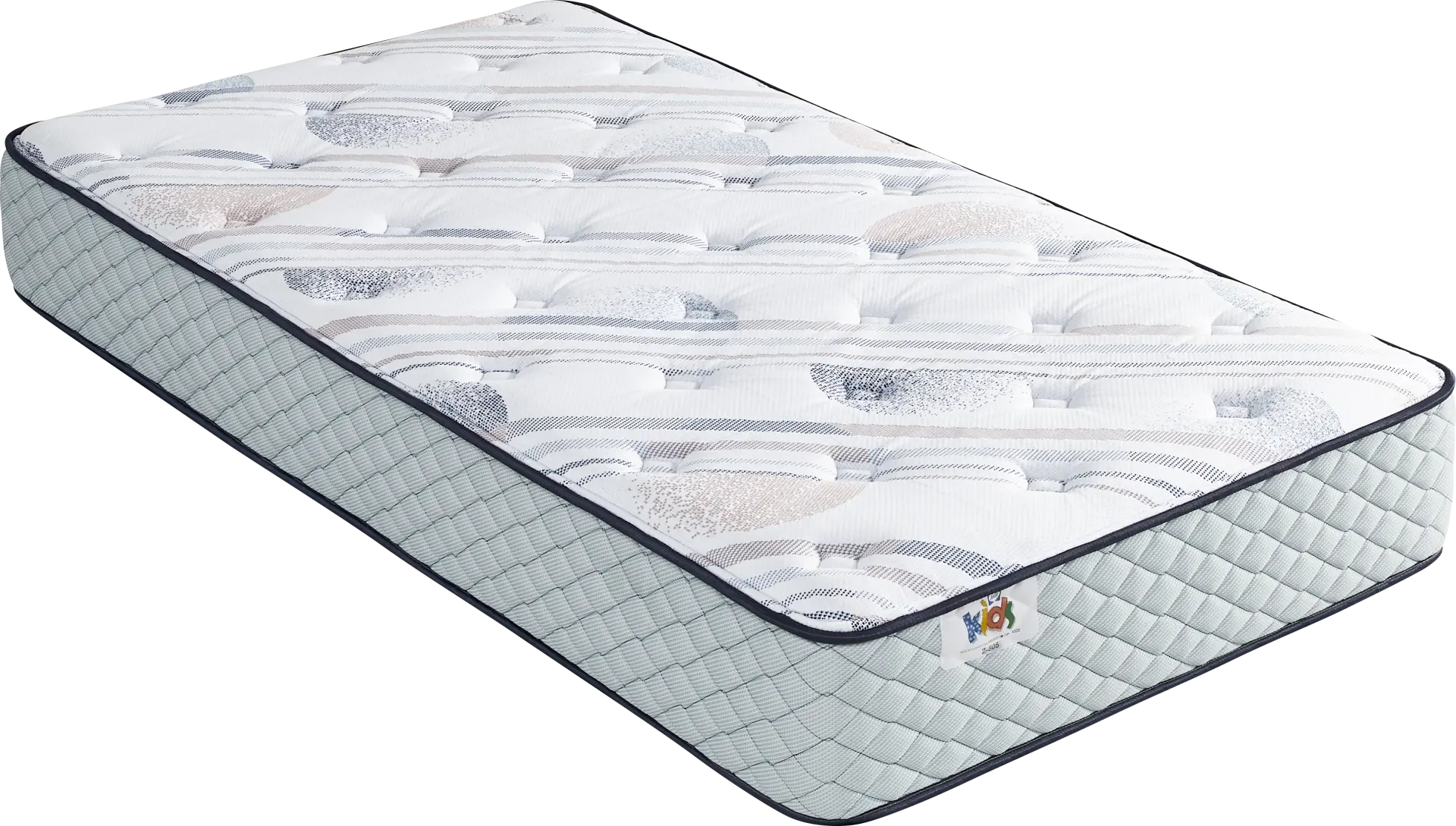
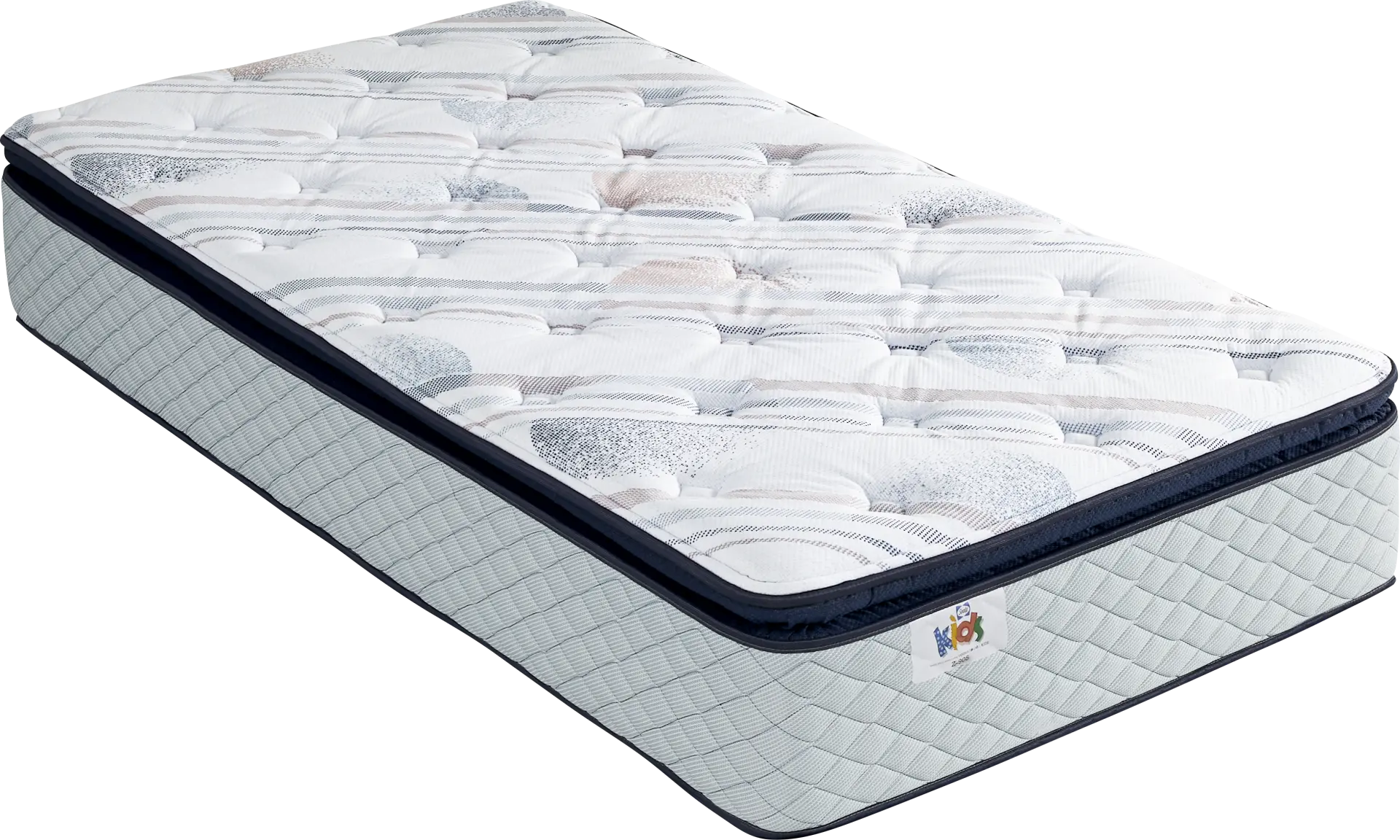
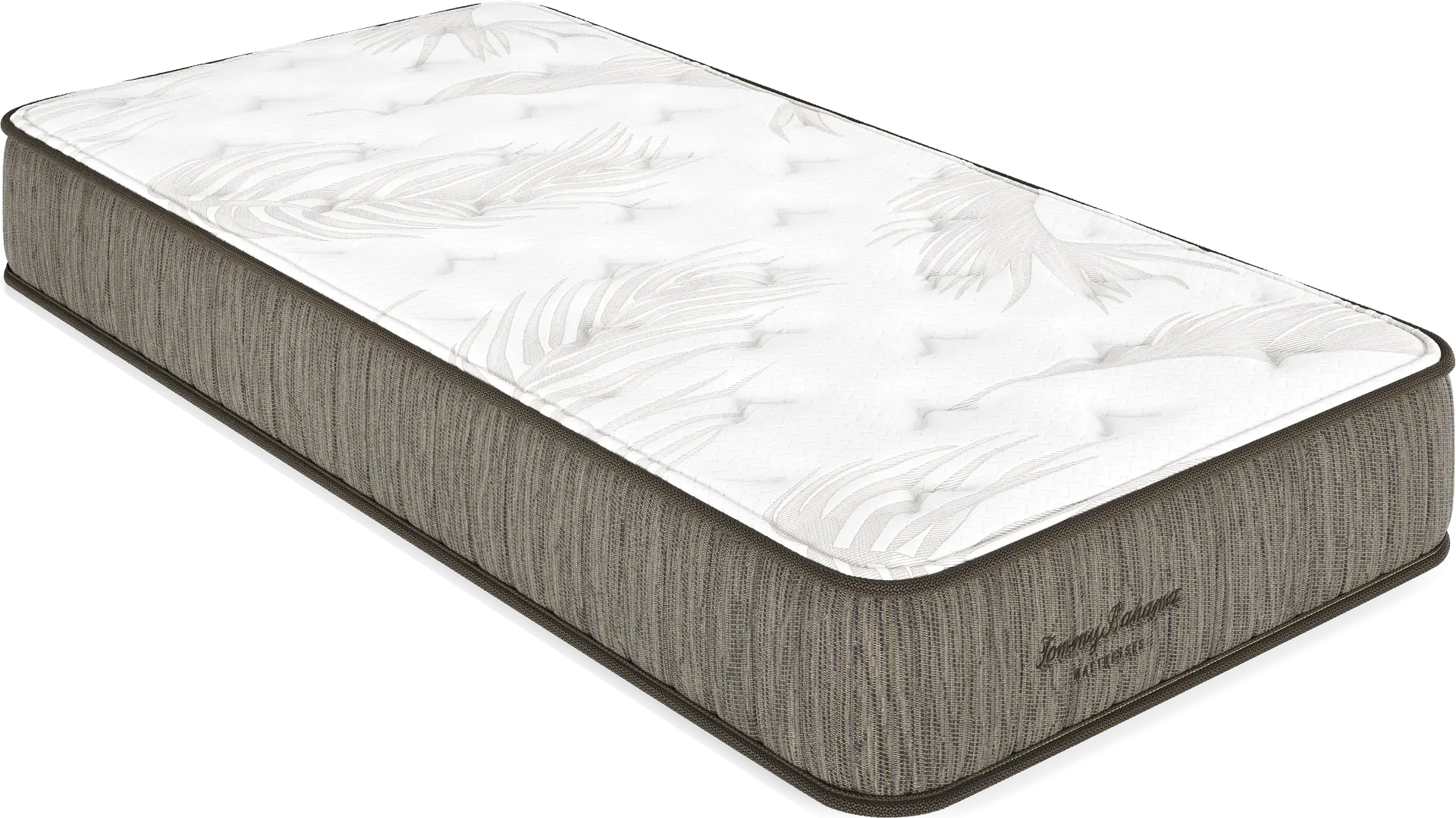
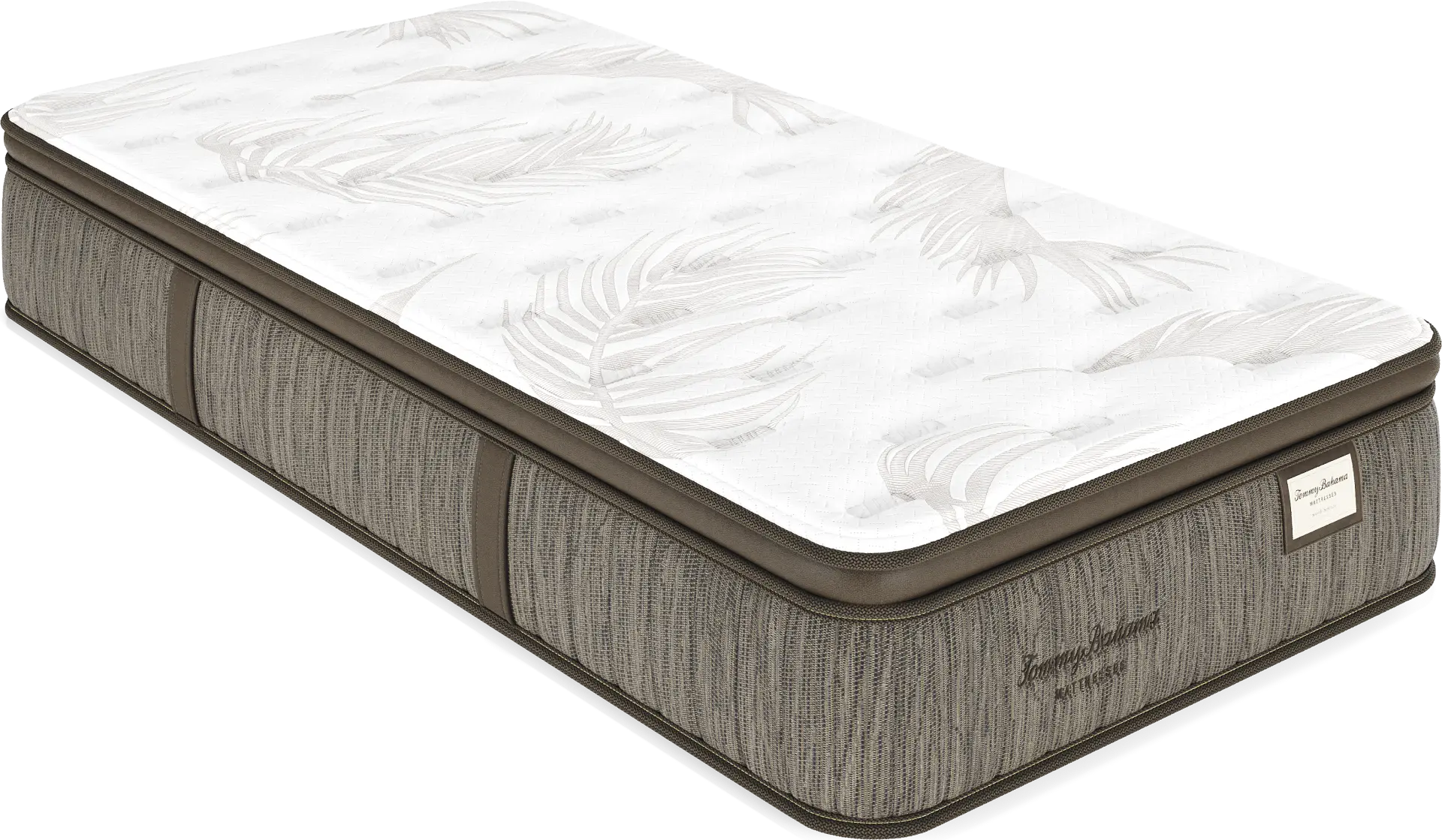
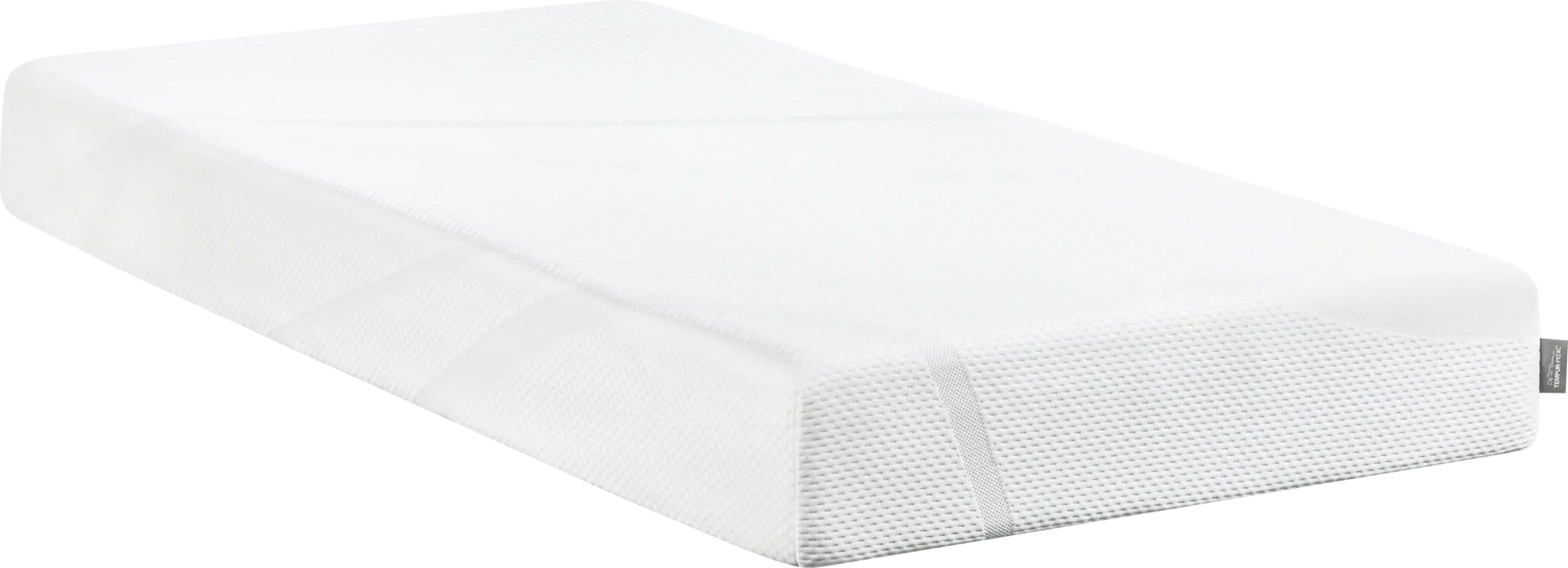
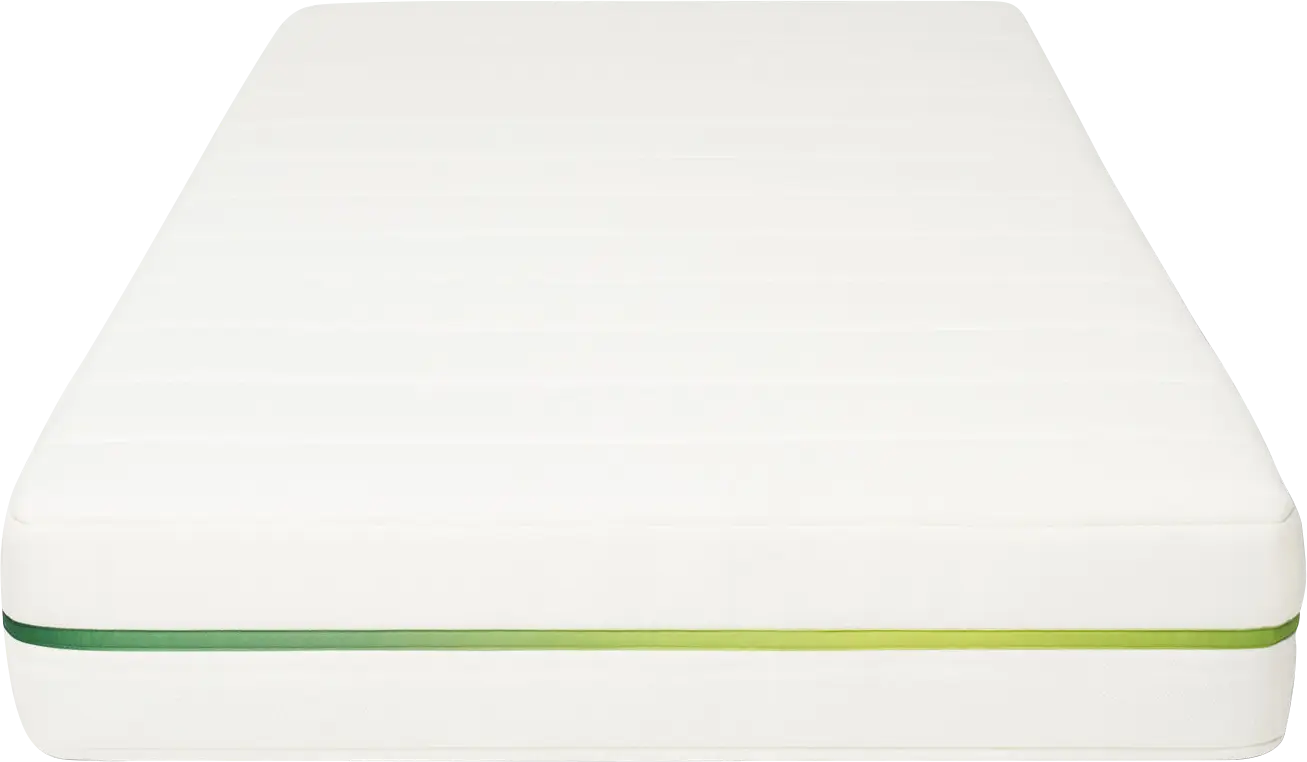
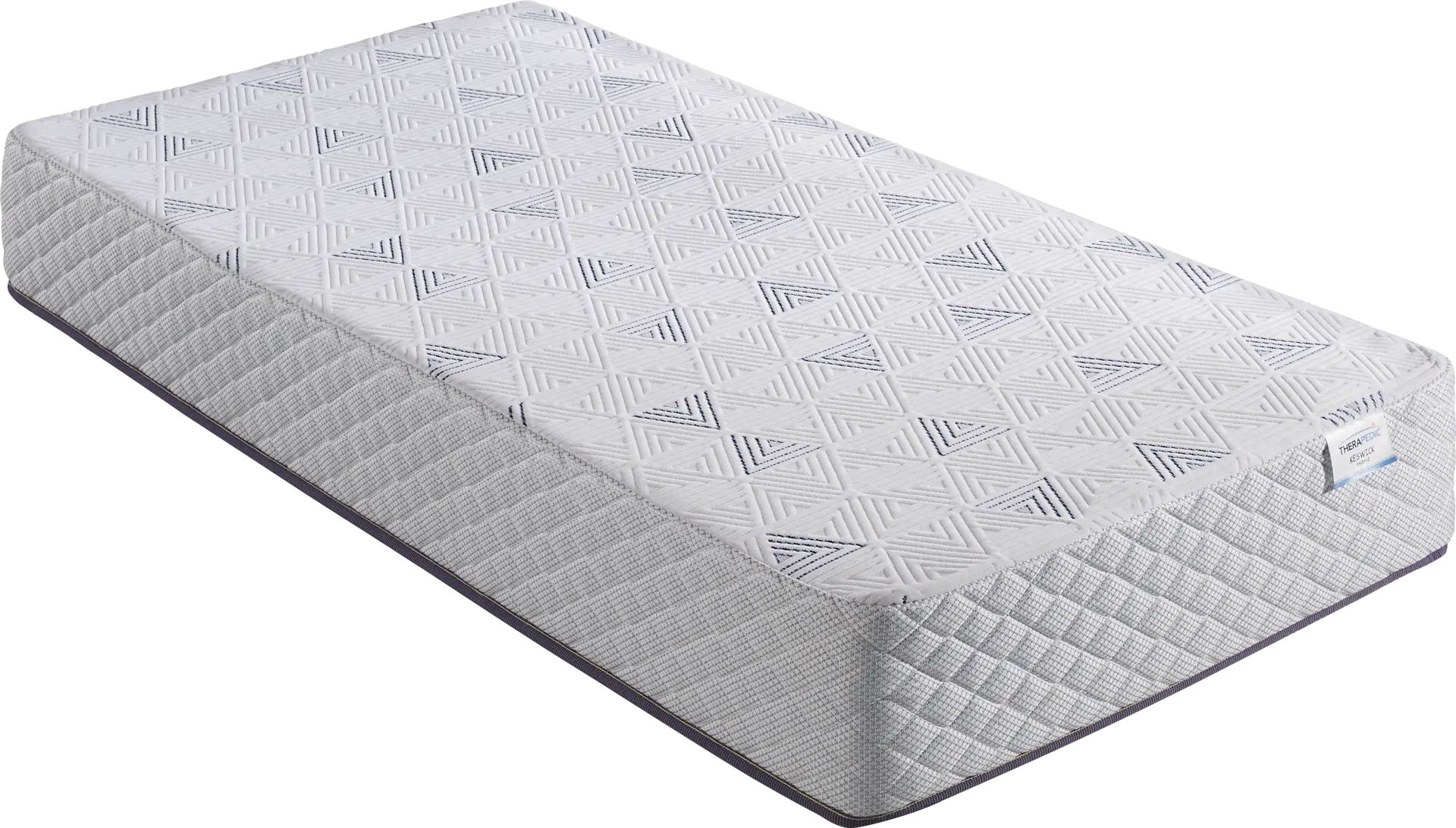
The right firmness for a child's mattress generally comes down to age, body weight, and sleep position, since these affect how much support and cushioning a child's spine needs.
Younger children and toddlers typically do best on a firmer surface. A firmer mattress helps keep a lighter body properly aligned and makes it easier for a toddler to move, sit up, and get in and out of bed safely, since a surface that's too soft can make those movements harder. This is also why crib mattresses are designed to be firm and flat - infants need a stable, supportive surface for safe sleep.
As kids get older, gain more body weight, and develop stronger sleep preferences, a medium-firm to medium feel often becomes more comfortable, especially for side sleepers who need a bit more cushioning at the shoulders and hips to stay aligned. Back and stomach sleepers, meanwhile, generally do better on a firmer surface that prevents the body from sinking too far in. Because preferences vary from child to child, it's worth comparing the firmness and materials listed on each product page rather than assuming every child needs the same feel - some mattresses, like two-sided models, are even built to accommodate a child's changing needs over time as they grow.